
Last updated November 24, 2026
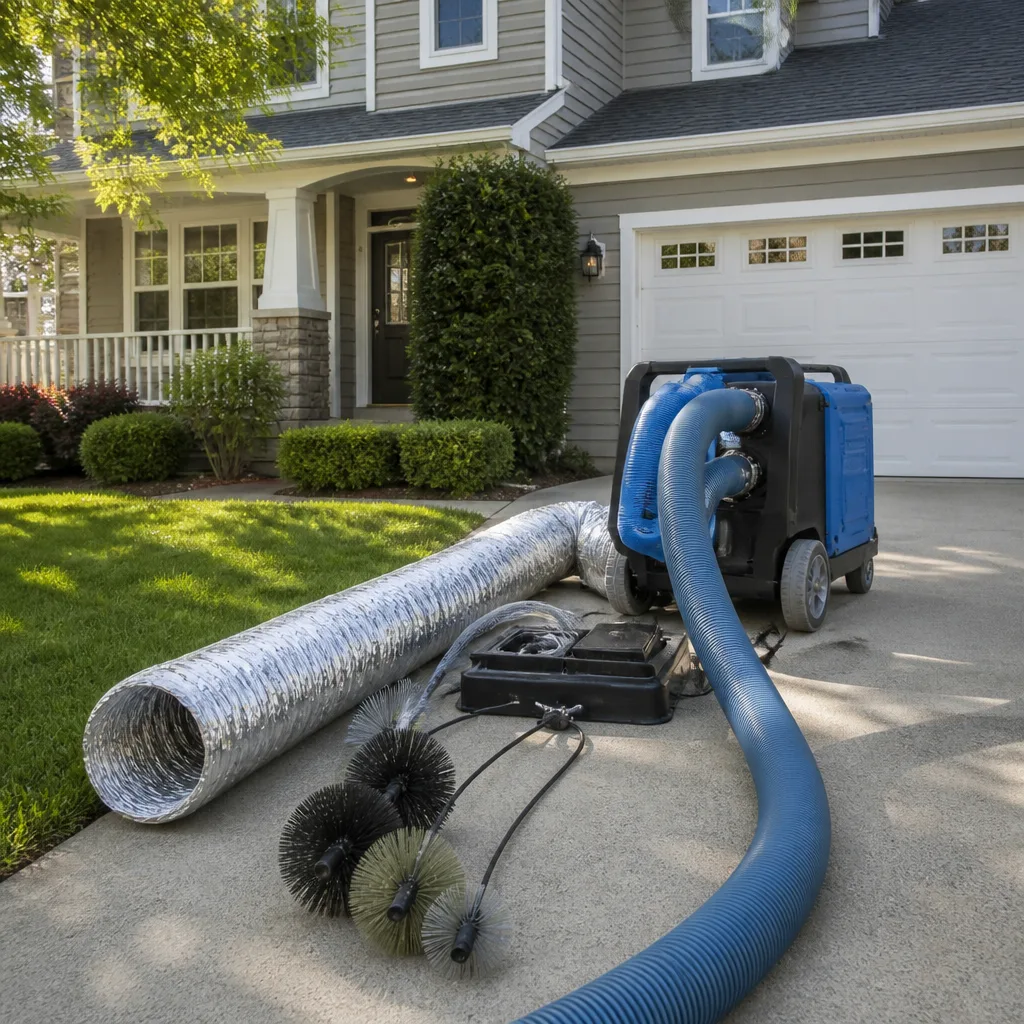 Whole-home duct cleaning
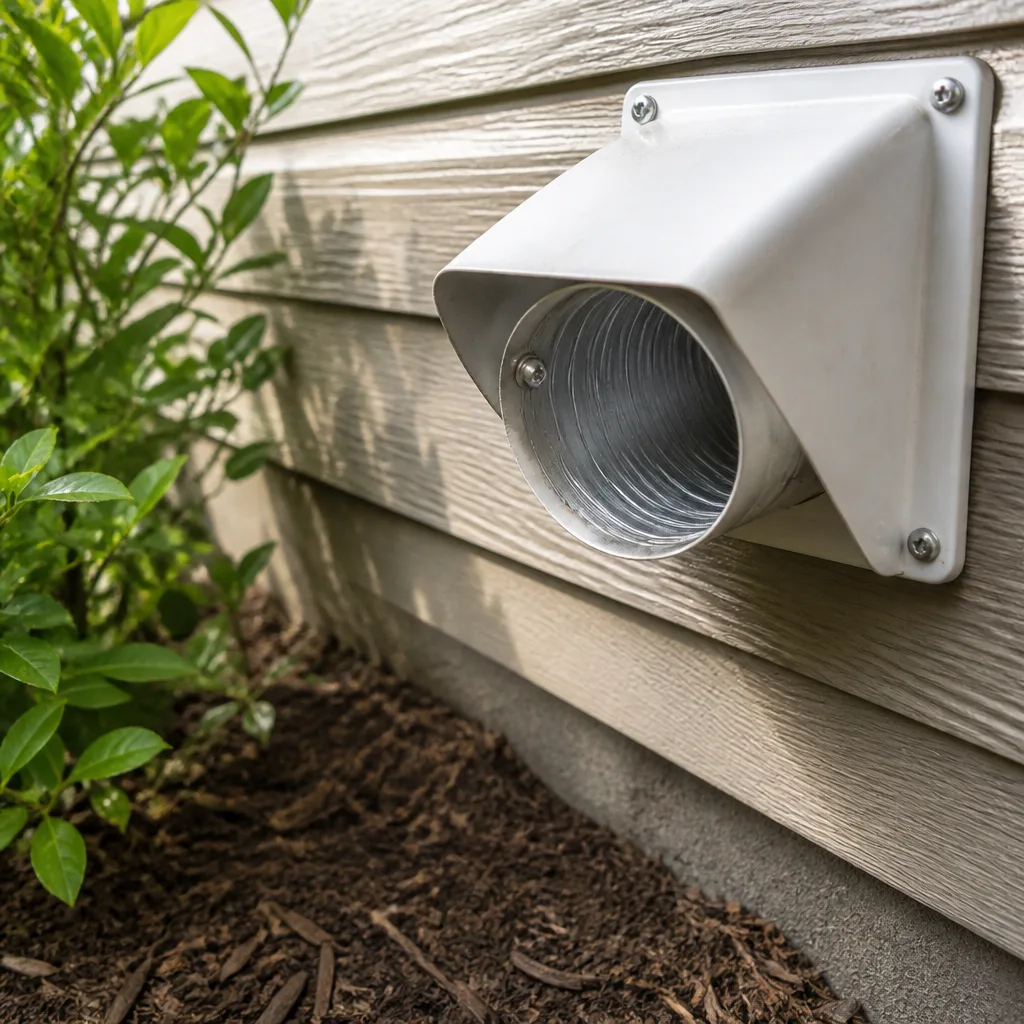 Dryer vent cleaning
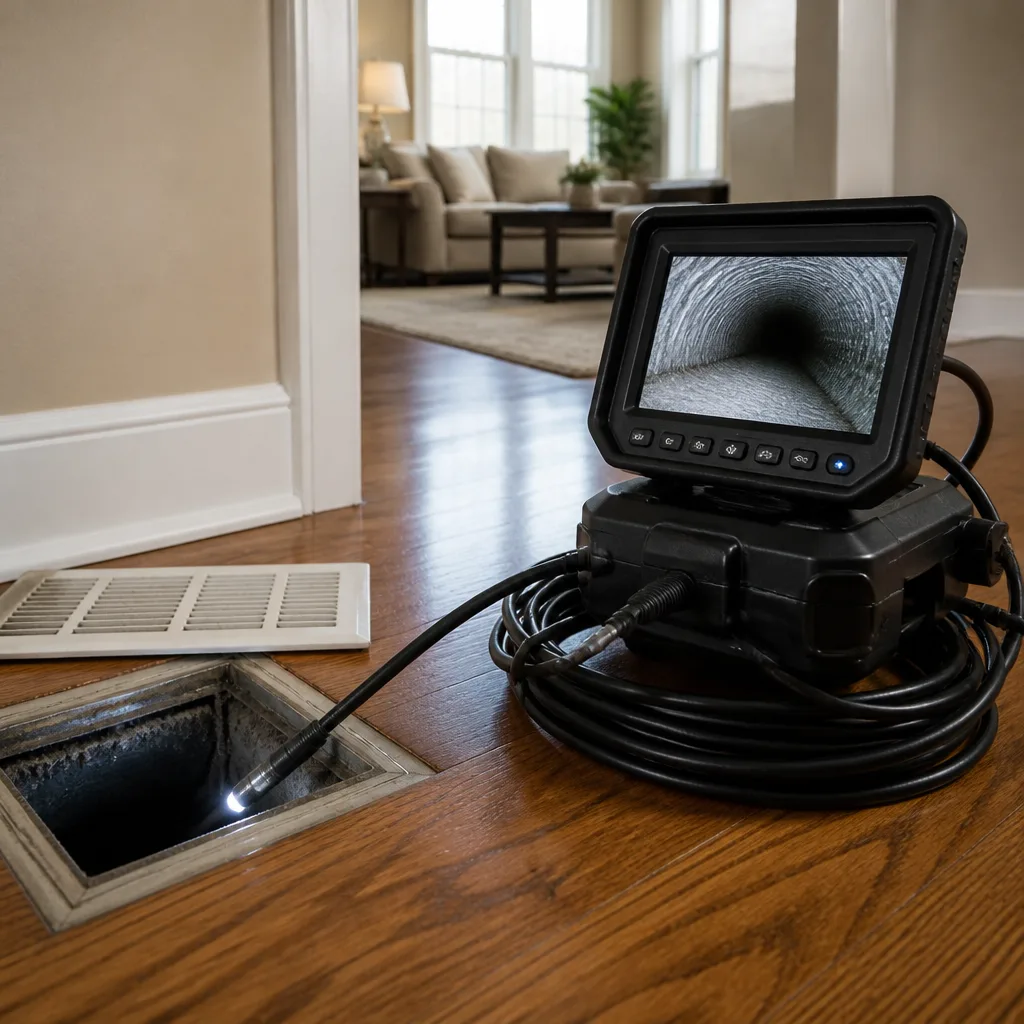 Camera inspection
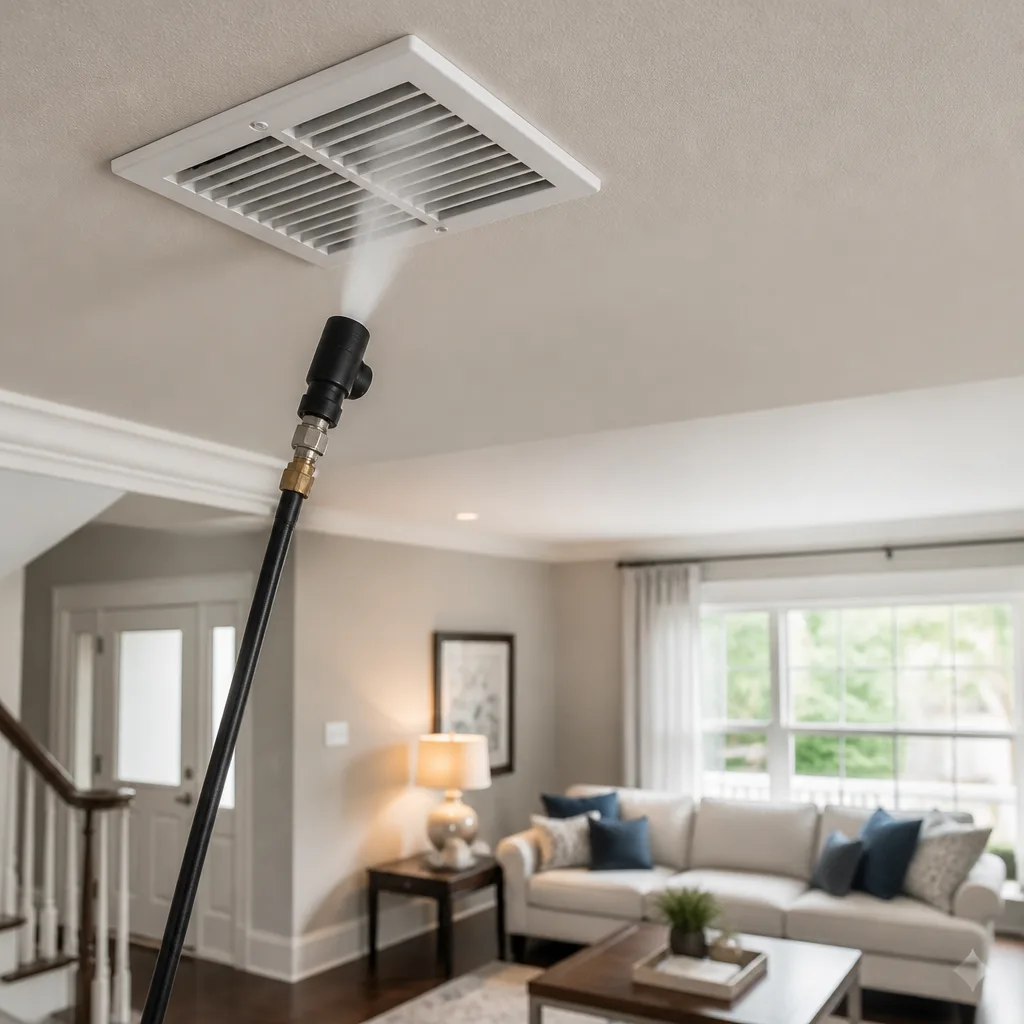 Sanitizing & deodorizing
Whole-system duct and dryer vent check with before-and-after photos - you see exactly what came out of your vents
That "$99 whole-house special" is a bait ad - the real number appears once they are in your hallway, or the "clean" is a shop-vac at the register. We photograph the inside of your ducts before and after instead.
Air Duct Cleaning Permits, Codes & Inspections in Fox Chase, PA: What You Need to Know
Most homeowners in Fox Chase assume duct work is permit-free, and for a straight cleaning, they’re right. Nothing about running a rotary brush and a HEPA vacuum through a residential duct system crosses the line into regulated construction. But the moment the scope shifts from cleaning to sealing, repairing, or modifying the air handler connection, you’re in a different conversation, one that runs through Philadelphia’s Department of Licenses and Inspections. This guide draws that line clearly so you know when a job is maintenance and when it’s construction. We’ll cover what triggers the Pennsylvania Uniform Construction Code, how L&I jurisdiction works in Fox Chase, what “sealing” means in a code sense, and how to protect yourself with documentation if the work is ever looked at during a home sale.
Quick Answer
Routine air duct cleaning in Fox Chase does not require a permit under the Pennsylvania Uniform Construction Code. Cleaning, sanitizing, and vacuuming a residential duct system are considered maintenance. But duct repair, liner replacement, and any modification to the air handler connection or duct layout are construction work that falls under Philadelphia code jurisdiction, and a permit may be required depending on the scope. If a contractor starts a repair without asking whether a permit applies, that’s your signal to slow down.
Styles & brands we work with
- Whole-home duct cleaning
- Dryer vent cleaning
- Camera inspection
- Sanitizing & deodorizing
Table of Contents
- Maintenance vs. Construction: Where the Line Sits
- What the Pennsylvania Uniform Construction Code Actually Covers
- How Philadelphia L&I Jurisdiction Applies in Fox Chase
- What “Duct Sealing” Means in a Code Context
- Red Flags: Contractors Who Don’t Ask About Permits
- Documentation That Protects You at Resale
- What an Inspection Actually Looks At
- Fox Chase Housing, Climate, and Duct Contamination
Maintenance vs. Construction: Where the Line Sits
The distinction matters more than most homeowners realize, and it’s the single most useful thing to understand before you book any duct work in Fox Chase. The Pennsylvania Uniform Construction Code, which the state adopted and Philadelphia administers locally, governs construction activity: new work, alterations, repairs that change the structure or the mechanical system, and anything that affects life safety. Routine maintenance sits outside that framework.
Here’s how the split typically plays out for residential duct work:
- Maintenance (no permit): Cleaning the duct interior with rotary brushes and negative-pressure HEPA extraction. Applying antimicrobial sanitizer to the duct surfaces. Replacing a standard filter. Cleaning the air handler cabinet.
- Construction (permit may apply): Repairing damaged or crushed duct runs. Replacing a section of flex or rigid duct. Changing the duct layout to serve a new room. Reconnecting the air handler to the distribution system when that connection has failed. Any work on the structural envelope around a duct chase.
Where people get surprised is in the middle zone. A crack in the air handler connection looks like a repair, and many contractors sell it as such. But reconnecting the supply plenum to the trunk line is mechanical work, and in Fox Chase that can trigger a permit review depending on how far the work extends. A straight duct cleaning never does. A duct repair and sealing job might. If you’re scheduling air duct cleaning and the technician finds damage that needs more than a cleaning, that’s the moment to ask the permit question directly.
What the Pennsylvania Uniform Construction Code Actually Covers
The Uniform Construction Code is Pennsylvania’s statewide building code, and it adopts the International Residential Code and International Mechanical Code for residential mechanical work. It applies uniformly across the state, but Philadelphia administers it through its own code officials rather than the state Department of Labor & Industry, which is why the jurisdiction line matters for Fox Chase residents.
For duct work specifically, the Uniform Construction Code governs:
- New duct installation when ducts are added, extended, or rerouted to new spaces.
- Alterations to existing duct systems that change capacity, supply volume, or the number of conditioned spaces served.
- Structural modifications required to access or run ductwork through walls, floors, or chases in a way that affects the building envelope.
- Air handler and mechanical equipment replacements where the duct connection is part of the changeout.
What the code does not govern is a cleaning. There is no permit line for cleaning duct interiors, sanitizing, or extracting built-up dust from a system that’s otherwise intact. That’s a service, not a construction activity. We mention this because the confusion runs both directions: some homeowners fear a permit is needed for a simple cleaning when it isn’t, and some contractors treat obvious repairs as maintenance to skip the paperwork. Neither is right.
The Uniform Construction Code also speaks to duct sealing in a technical sense, which we cover below. For a broader look at the full lifecycle of duct work, our page on Air Duct Cleaning Fox Chase walks through where each service fits.
How Philadelphia L&I Jurisdiction Applies in Fox Chase
Fox Chase is a Philadelphia neighborhood, and that means the Department of Licenses and Inspections has jurisdiction over construction work here, not the state directly. When a duct repair or modification crosses into permit territory, the application goes through L&I. Their inspectors sign off on mechanical work, and their records are what show up when a title search happens at resale.
For a routine duct cleaning in Fox Chase, none of this applies. There’s no application, no inspection, no paper trail with the city, because the work isn’t construction. What matters for maintenance work is a different kind of paper trail: before-and-after photos, a written scope of work, and something on paper that states exactly what was cleaned and what wasn’t touched.
The jurisdiction question gets messier when the scope is mixed. A job that starts as cleaning and turns into “we should really seal this” or “that connection needs to be repaired” straddles both worlds. In our experience, the contractor should be the one raising the question first, not the homeowner. If you’re hiring a crew that doesn’t mention L&I when a repair enters the scope, you’re working with someone who either doesn’t know the code or doesn’t want to deal with it. Neither is a good sign for a Fox Chase address.
Local climate and housing stock matter too. The neighborhood’s older homes, many with masonry walls and original duct chases, frequently show duct runs that have been patched over the years by previous owners. When a contractor opens up a duct line for cleaning and finds unauthorized past modifications, that’s a repair scope in code territory. That’s a conversation to have overtly, not to gloss over with a sanitizer spray.
What “Duct Sealing” Means in a Code Context
Here’s where most contractors don’t explain the distinction, and it matters. “Duct sealing” gets used for two completely different activities, and only one of them touches the code.
Sealing as a cleaning-context term means applying mastic or tape to minor leaks and seams found during cleaning. Small air leaks around joints, gaps at boots, and worn tape that fails with age are typical findings in Fox Chase homes. Addressing them as part of a cleaning visit is straightforward maintenance and doesn’t require a permit.
Sealing as a code-context term refers to sealing methods, materials, and the resulting system performance specified in the International Mechanical Code and adopted by the Uniform Construction Code. When sealing is part of a repair or alteration that changes how a duct system performs, that work falls under code jurisdiction. Sealing that’s been done without permits on a scope that required one is what inspectors flag at resale.
The practical test is this: are you sealing small leaks as part of cleaning, or are you sealing ducts that have been structurally altered or disconnected? The first is maintenance. The second is construction. Our HVAC cleaning work routinely turns up both scenarios, and we separate them on the estimate so the homeowner knows which side of the line the work sits on.
If you want a deeper look at what proper sealing involves on the repair side, our Duct Repair & Sealing service covers the structural work that addresses the cause of contamination rather than just the symptoms. We seal what we find, and we tell you plainly when a repair scope triggers a permit question.
Red Flags: Contractors Who Don’t Ask About Permits
The single clearest sign that a contractor is going to leave you exposed on a duct repair job is this: they never raise the permit question. A contractor who has done real repair work in Fox Chase knows that L&I has jurisdiction and that certain scopes require an application. When they skip that conversation entirely, one of three things is happening, and none of them are good for you.
- They don’t know the code. This is the most common situation with discount crews. They’ve done cleaning jobs and some light repair, and they’ve never had anyone ask them about permits, so they’ve never learned the line. That’s their gap, but the paperwork trail lands on you.
- They know and don’t want to deal with it. Permitting adds time and triggers inspection. Some contractors deliberately structure scopes to stay under the radar, and the homeowner gets left holding the bag when a future sale brings it up.
- They’re not licensed to do the repair work in the first place. In Philadelphia, mechanical work requiring a permit needs a contractor licensed to perform it. A cleaning crew that suddenly quotes a duct repair should be able to state plainly what license class is involved and whether a permit applies.
There’s a subtler red flag that matters just as much: a contractor who quotes a repair without ever putting the scope in writing. The written estimate is the document that lets everyone agree on what’s being done. When there’s no written scope, there’s no way to check later whether the work as done was the work as quoted, and there’s no documentation trail if an inspector or a buyer’s agent asks. When we quote a job, the estimate states the scope and notes whether a permit question applies. That’s not a courtesy; it’s the difference between a job that protects you and one that doesn’t.
Documentation That Protects You at Resale
Duct work you had done five years ago can surface during a home sale in Fox Chase, and what saves you is the paperwork you kept. Most homeowners don’t find that out until a buyer’s inspector notes an unpermitted mechanical change and requests documentation. Here’s what to request from your contractor so you’re covered:
- A written scope of work stating exactly what was cleaned, repaired, or sealed, and what was left untouched. Sentence level, not just a line item.
- Before-and-after photos of the ducts you own, so the state of the system at the time of the job is documented.
- A statement of whether a permit applied and, if it did, the permit number or the fact that the permit was filed with L&I.
- Material and product details for anything applied inside the ducts, including sanitizer used or sealant applied. This is what a resale inspector will ask about.
- The date of the work and the name of the company that performed it on the invoice, so the chain of responsibility is clear.
If a future inspection or a buyer’s agent asks about the work, the folder of documents above answers the question in one email. Without those documents, the only record is your memory, and the only party with anything to gain from a missing paper trail is the contractor who did the work. Our advice to Fox Chase homeowners is to keep the scope, photos, and permit statement together in the file you keep for the house. It costs nothing and settles arguments years later.
What an Inspection Actually Looks At
If a permit is required for a duct repair or alteration in Fox Chase, an L&I inspection follows the work. It’s worth knowing what the inspector is looking for, because a clean inspection depends on the contractor doing the work right the first time, not on paperwork polish at the end. The inspection typically covers:
- The duct material and connections at the point of repair, to confirm the work meets the mechanical code requirements for that type of installation.
- The air handler connection where the supply plenum meets the distribution system, since this is the spot most likely to be improperly sealed or improperly supported.
- Support and routing of any new or altered duct run, to confirm it was installed per the approved application.
- Clearance from combustibles on any ductwork near the heating appliance, which is the safety issue inspectors take most seriously.
What the inspection does not look at is routine maintenance. A duct cleaning, sanitizing, or filter replacement isn’t inspected because there’s no permit and no inspection cycle attached to it. That’s an important distinction for homeowners who worry that a cleaning job will somehow get flagged. It won’t. The inspection universe only engages when permit-required construction occurs.
For the jobs that do have inspection attached, our take is simple: the inspection is a good thing. It’s the second pair of eyes on a system that affects your home’s air quality and heating performance. A contractor who fears inspection is a contractor whose work might not survive one. Call (844) 625-7003 if you want to talk through whether a repair scope on your system needs an inspection. We answer 24/7. Fast dispatch from 7am to 7pm, Sunday through Friday.
Fox Chase Housing, Climate, and Duct Contamination
Fox Chase has a specific set of local factors that make duct health a real conversation, not a hypothetical one. The neighborhood sits in Philadelphia’s humid subtropical climate zone, which means long, muggy summers and a heating season that runs from late fall into early spring. That swing between heavy cooling demand and heavy heating demand is hard on duct systems. The same air handler runs dual duty across both seasons, and any leak at the connection loses money in both directions.
Housing stock matters too. Fox Chase has a mix of mid-century rowhouses and post-war single-family homes built before modern duct design standards were common. That means ducts that were sized and routed for original equipment, often with elbows, transitions, and connections that have been modified or patched over the decades. Older flex duct with failing insulation, taped joints where the tape has lost adhesion, and boot connections at registers that have loosened over time are typical findings when we open a system up in the neighborhood. Those are cleaning-scope findings. When the cleaning turns up a crushed run or a severed connection, that’s the repair scope where code jurisdiction enters.
There’s one more Fox Chase-specific consideration: the neighborhood’s stand of mature trees produces a heavy pollen load in spring, and the local housing stock tends toward systems that pull significant return air from living space rather than from dedicated returns. That means interior duct contamination in Fox Chase homes often reflects what’s in the air in the neighborhood, not just what the system has accumulated. Cleaner duct interiors help; sealing and repair address the structural cause. The two work together. When you’re ready to look at a system in detail, we’re glad to put eyes on it. If you also need your dryer vent cleaning handled while we’re there, we cover that on the same visit, since dryer vent fires are a separate safety issue worth addressing in the same appointment.
Common Mistakes to Avoid
- Assuming a cleaning and a repair require the same paperwork. They don’t. A cleaning is maintenance and needs no permit. A repair that changes duct structure or the air handler connection is construction and may need one. Ask which category the job falls into before you book.
- Hiring a contractor who doesn’t mention L&I on a repair scope. If a Fox Chase contractor quotes a duct repair without ever mentioning permit jurisdiction, they either don’t know the code or are avoiding it. Neither is a good sign.
- Confusing “sealing” as cleaning with “sealing” as construction. Small leaks sealed during cleaning are maintenance. Sealing that addresses altered or disconnected ducts is code territory. Get the scope clarified in writing.
- Skipping the written scope to save time. The written estimate is what protects you years later when a buyer’s inspector asks about the work. No written scope means no way to prove the job matched the quote.
- Not asking for before-and-after photos. Photos of your own ducts are the only evidence that the cleaning actually happened as described. Ask for them and keep them.
- Trusting a price without a permit answer. A cheap repair quote on a scope that triggers a permit isn’t a bargain. It’s a future disclosure problem at resale. Ask explicitly whether a permit applies before you sign anything.
- Skipping the pre-1980 housing check. Older Fox Chase homes sometimes have ductwork adjacent to materials that pre-date modern standards. If you’ve owned the home for years without documentation, a contractor inspecting the system should flag those conditions, not clean past them.
See the difference
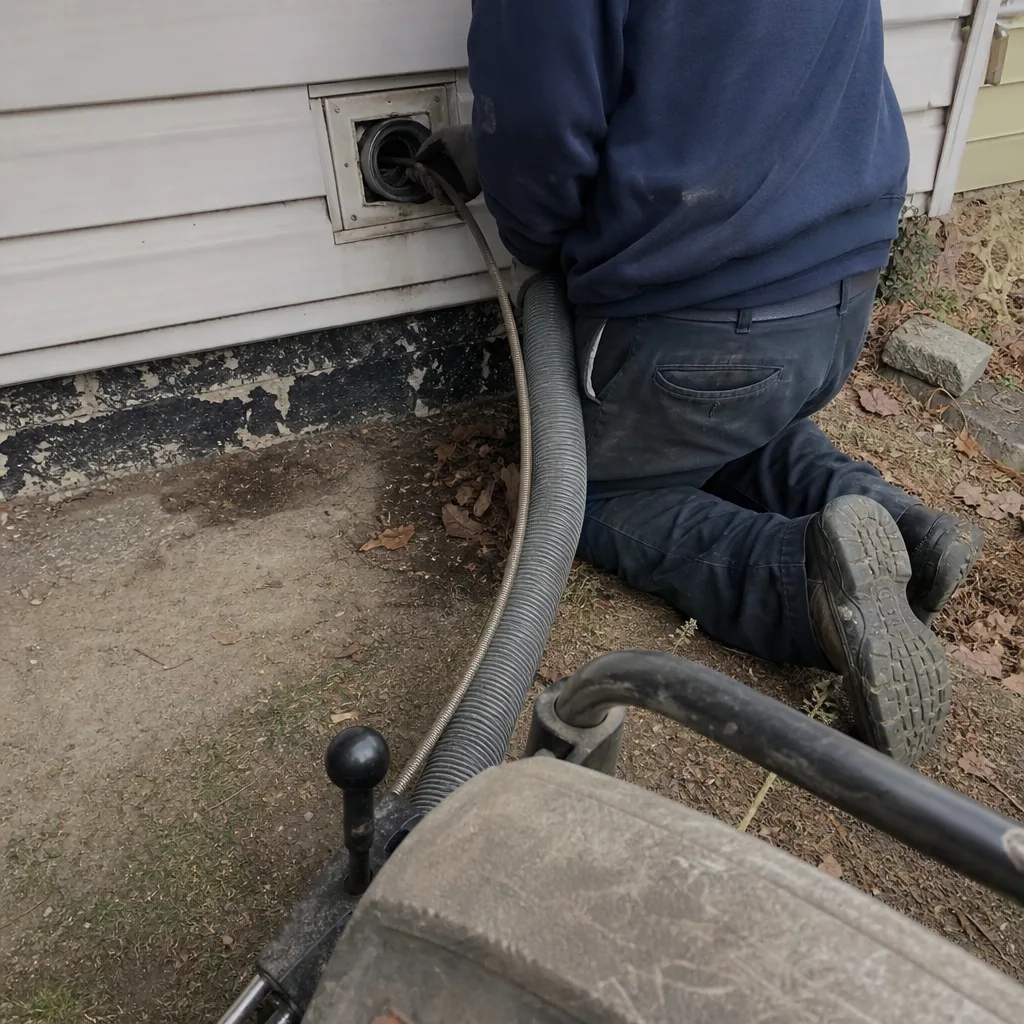 Before
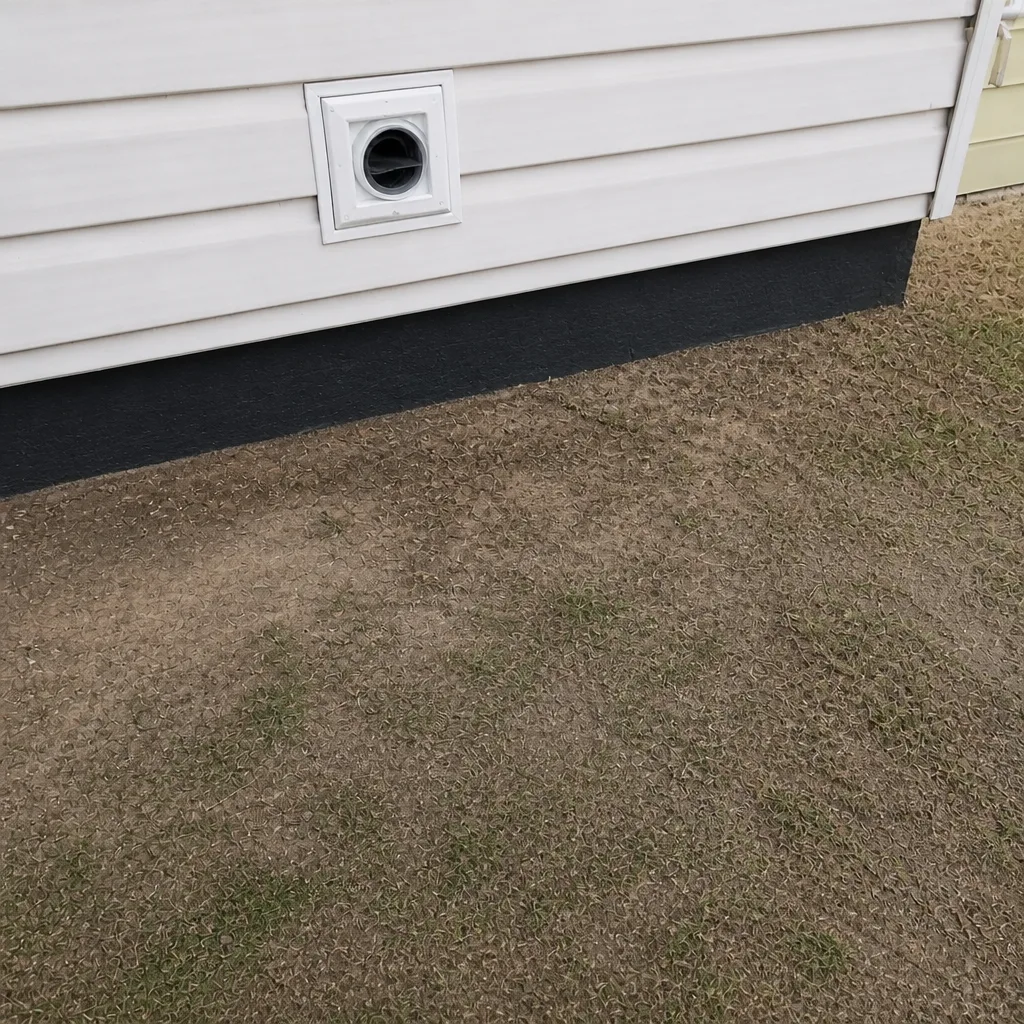 After
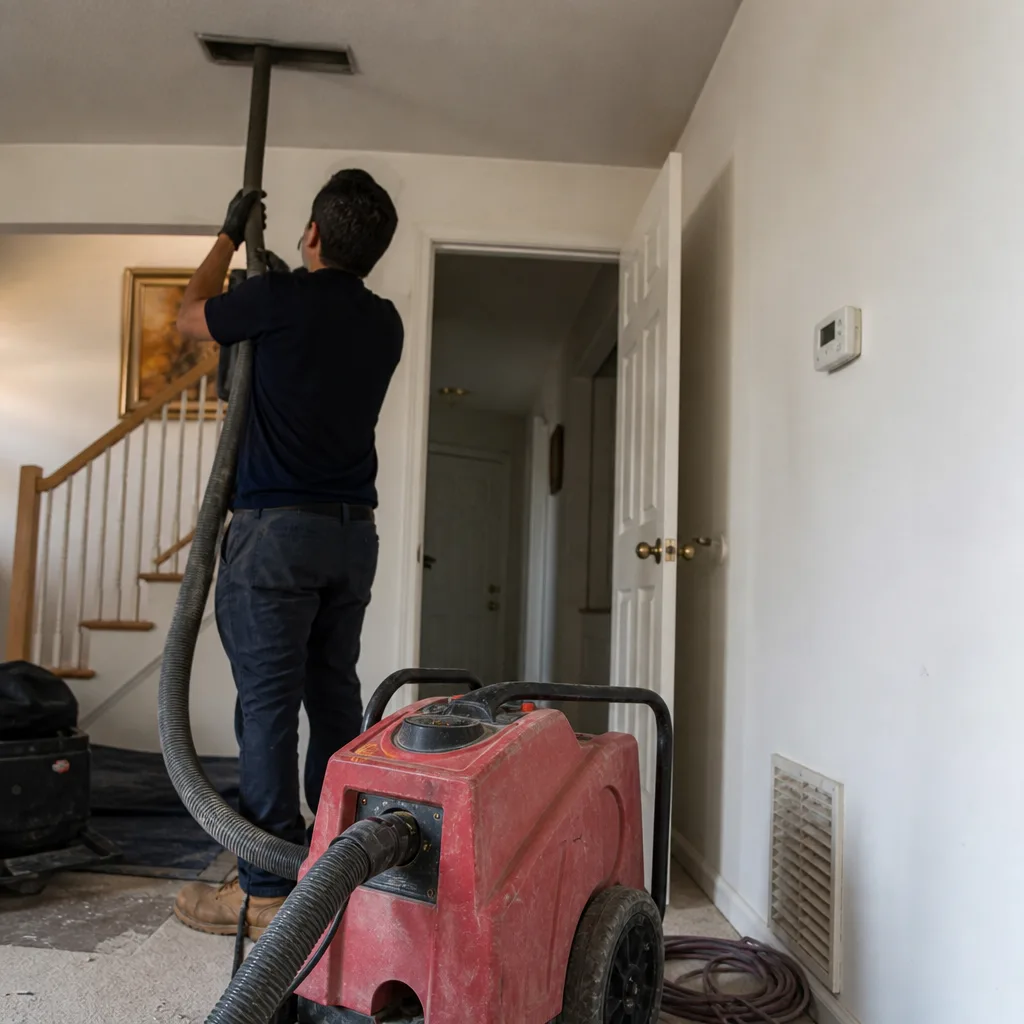 Before
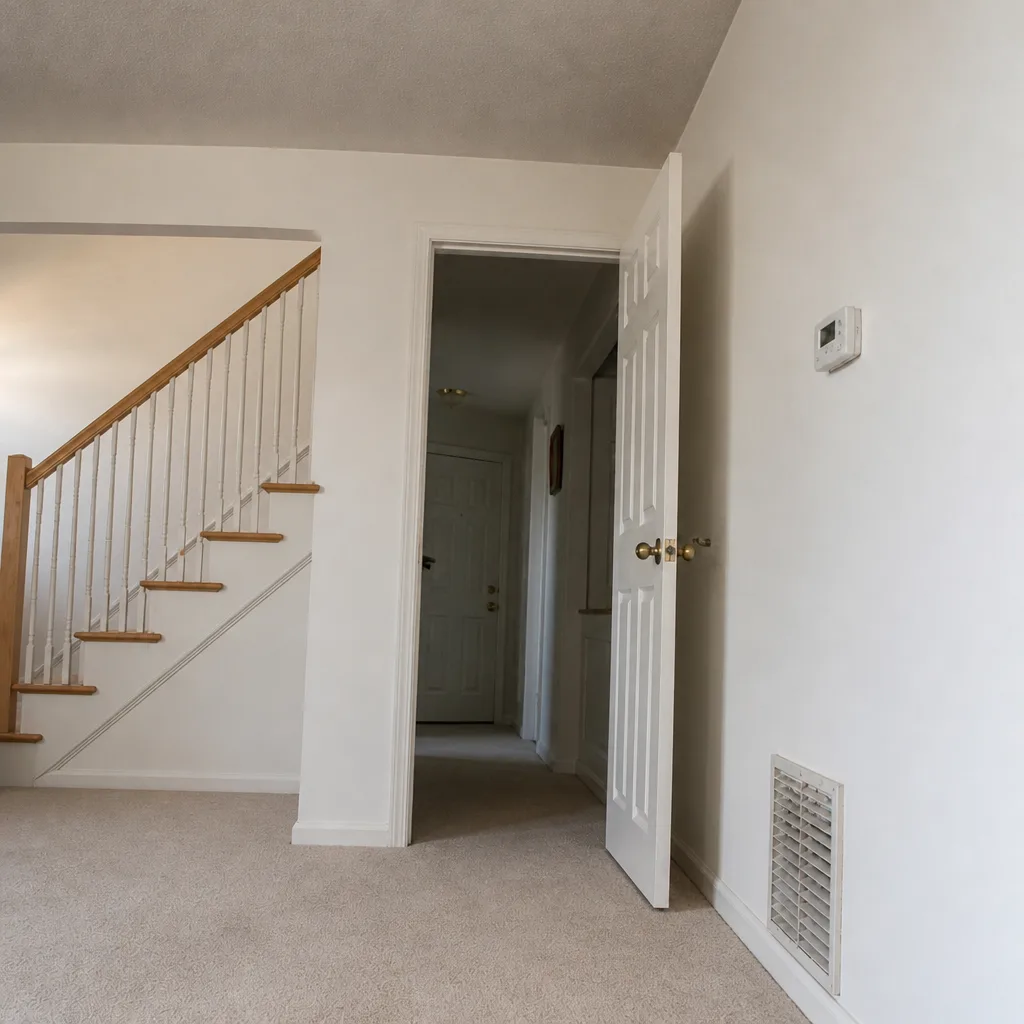 After
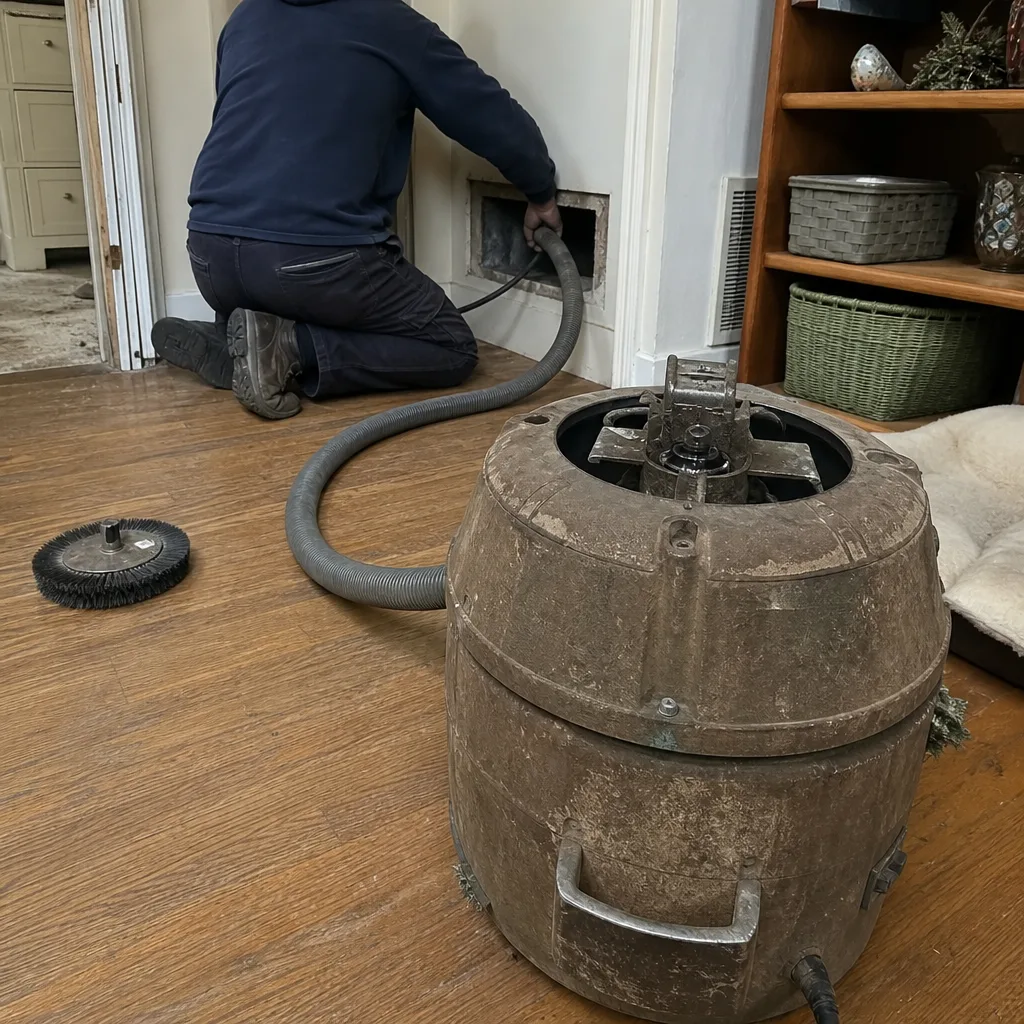 Before
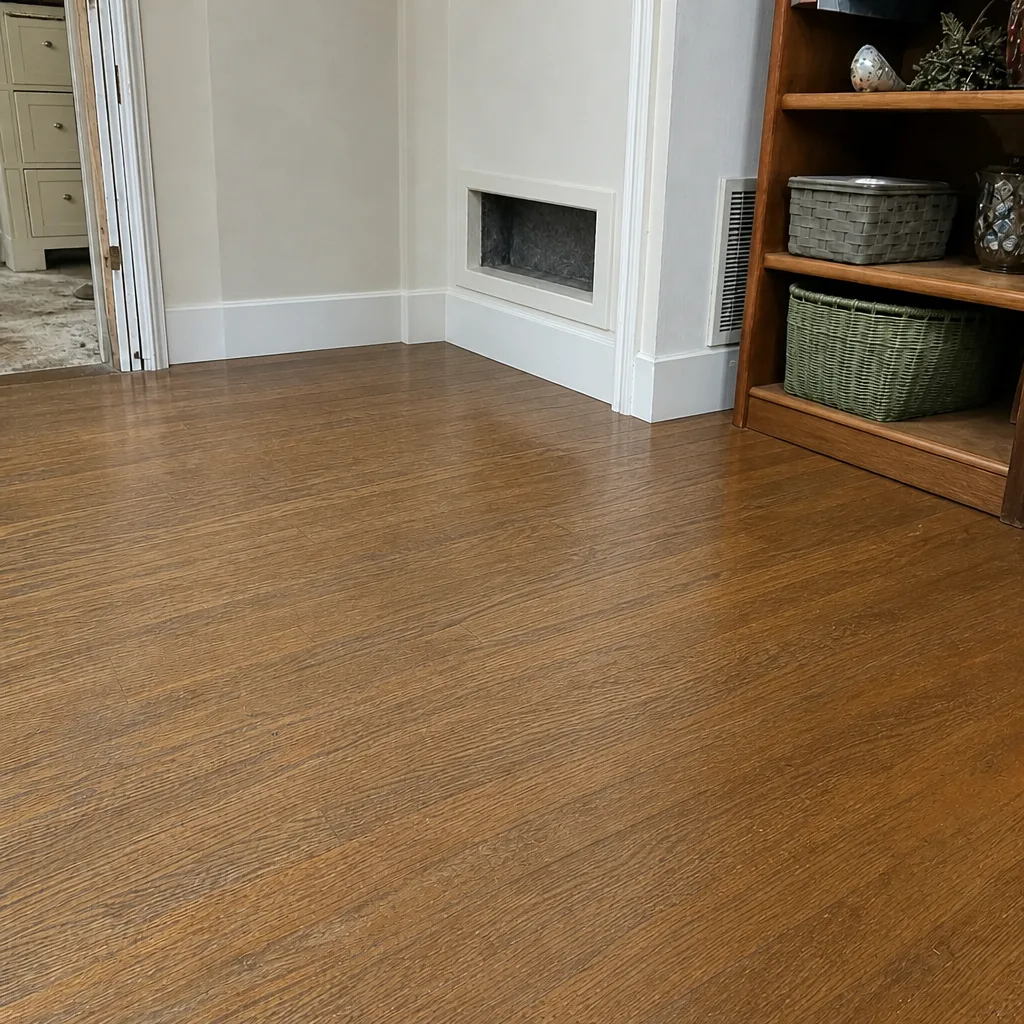 After
When to Call a Professional
Not every duct concern needs a service call, but several specific scenarios need one, and waiting tends to make them worse. Call a professional if you’re seeing visible dust blowing out of supply registers after a recent cleaning, if you find disconnected or crushed duct runs while doing other work in the attic or basement, if you’re buying or selling a Fox Chase home and the duct system’s history is unclear, or if a previous owner had work done without documentation. Those are all situations where a professional scope and permit review protect you going forward. Don’t try to repair a duct connection yourself near the air handler; the mechanical connections there affect system performance and, in some cases, code compliance, and a bad DIY fix is harder to correct than to do right. Air Duct Cleaning Fox Chase offers free estimates in Fox Chase – call (844) 625-7003. Our technicians have up to 14 years of experience and use contractor-grade equipment, including Rotobrush rotary systems and Abatement Technologies air-quality tools, on every job that calls for them. We answer 24/7, with fast dispatch from 7am to 7pm, Sunday through Friday.
Frequently Asked Questions
No. Routine air duct cleaning is maintenance and does not require a permit under the Pennsylvania Uniform Construction Code or from Philadelphia L&I. Cleaning, sanitizing, and vacuuming a residential duct system sit outside the permit framework. Duct repair, liner replacement, and modifications to the air handler connection are different scopes that can require a permit depending on the work. Call (844) 625-7003 for an exact assessment of your job.
Cleaning removes contamination from duct interiors. Repair changes the physical structure of the duct system, the air handler connection, or the layout, and that change is what brings the work into code jurisdiction. Small leak sealing during cleaning is maintenance; sealing a structurally altered or disconnected duct run can require a permit. If you’re not sure which side your job falls on, ask before booking. Call (844) 625-7003 for a free estimate.
No. A duct cleaning doesn’t require a permit and doesn’t trigger an L&I inspection. The inspection framework only engages when permit-required construction occurs, meaning duct repair or alteration work, not routine maintenance. Homeowners in Fox Chase who worry that a cleaning will invite a city visit are worrying about the wrong scenario. Call (844) 625-7003 if you want clarity on what your specific scope involves.
Keep the written scope of work, before-and-after photos of your ducts, the date of the work, the contractor’s name, any material or product details for sanitizer or sealant applied, and a clear statement of whether a permit applied and, if so, the permit number. That packet is what protects you during a home sale or an inspection years later. Ask for it at the time of the job, not afterward.
There’s no single universal schedule, but many Fox Chase homeowners find a system cleaning every few years works, sooner if the home has pets, recent renovation dust, or a history of heavy pollen exposure in the neighborhood. Visible dust at registers after a cleaning, musty smells, or signs of moisture in the ductwork are all cues to look more closely. Call (844) 625-7003 for a free estimate, and we’ll tell you honestly whether cleaning is the right next step or whether a repair scope fits better.
Price differences usually reflect one of three things: equipment quality, scope, or whether the quote covers what it says it does. A quote built around a shop vacuum or a low-powered unit sits in a different league from contractor-grade rotary brush and HEPA extraction, and the difference shows in what actually leaves your ducts. Ask what equipment is being used and what the written scope covers. We use Rotobrush and Nikro equipment on every applicable job, and we put the scope in writing before work starts. Call (844) 625-7003 for a free estimate and an honest comparison.
The Bottom Line
Routine air duct cleaning in Fox Chase is maintenance, needs no permit, and doesn’t trigger inspection. Duct repair, liner replacement, and air handler connection changes are construction, and Philadelphia L&I has jurisdiction over them. The line between the two is the single most important thing to understand before you book work. A contractor who knows the code will raise the permit question themselves. Ask for a written scope, before-and-after photos, and a statement about permit applicability, and keep those documents with your home records. Our technicians have up to 14 years of experience with contractor-grade equipment, and one call covers cleaning, repair, sealing, and sanitizing. If your dryer vent is also overdue, our dryer vent cleaning addresses a leading cause of residential fires and is worth handling in the same visit. Call (844) 625-7003 for a free estimate. We answer 24/7. Fast dispatch from 7am to 7pm, Sunday through Friday. Estimates are free and the written estimate sets the final price, so you’ll know before work starts.
Written by the team at Air Duct Cleaning Fox Chase.