
Last updated November 24, 2026
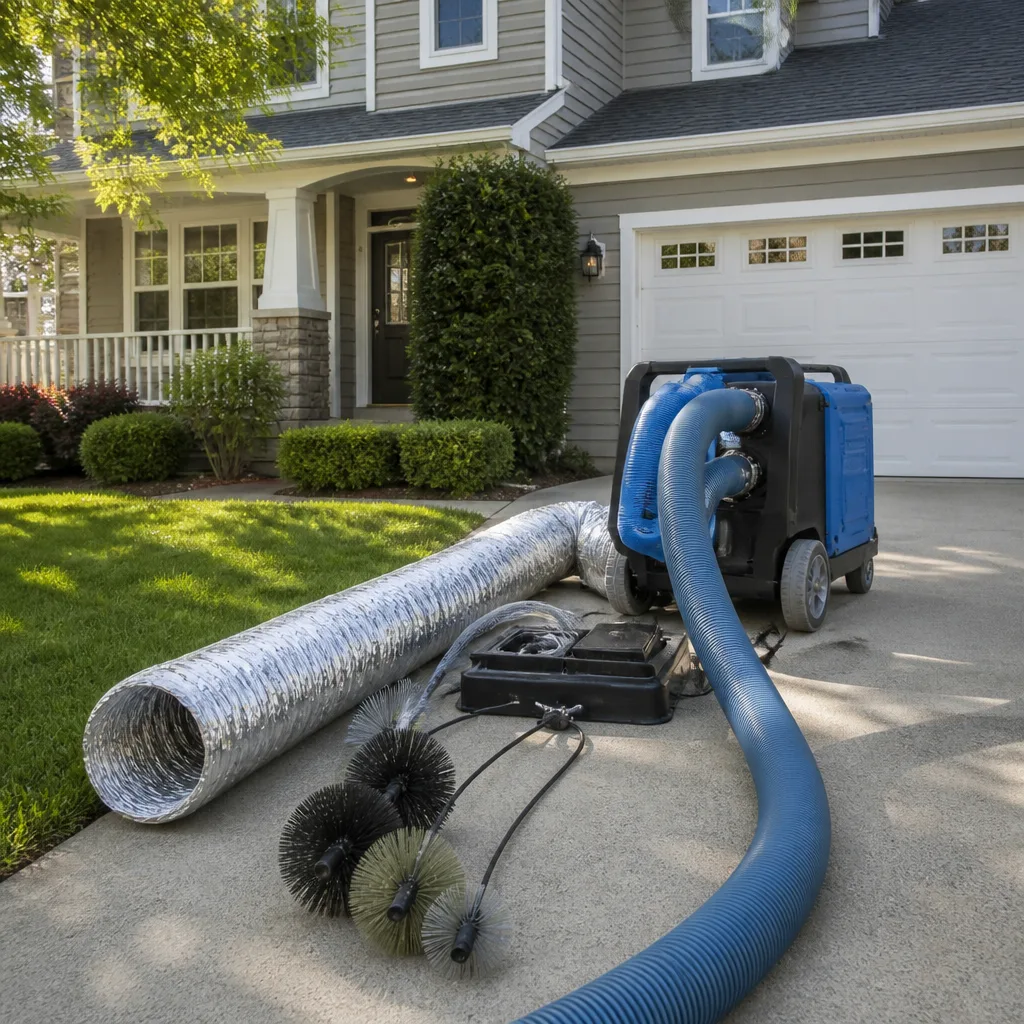 Whole-home duct cleaning
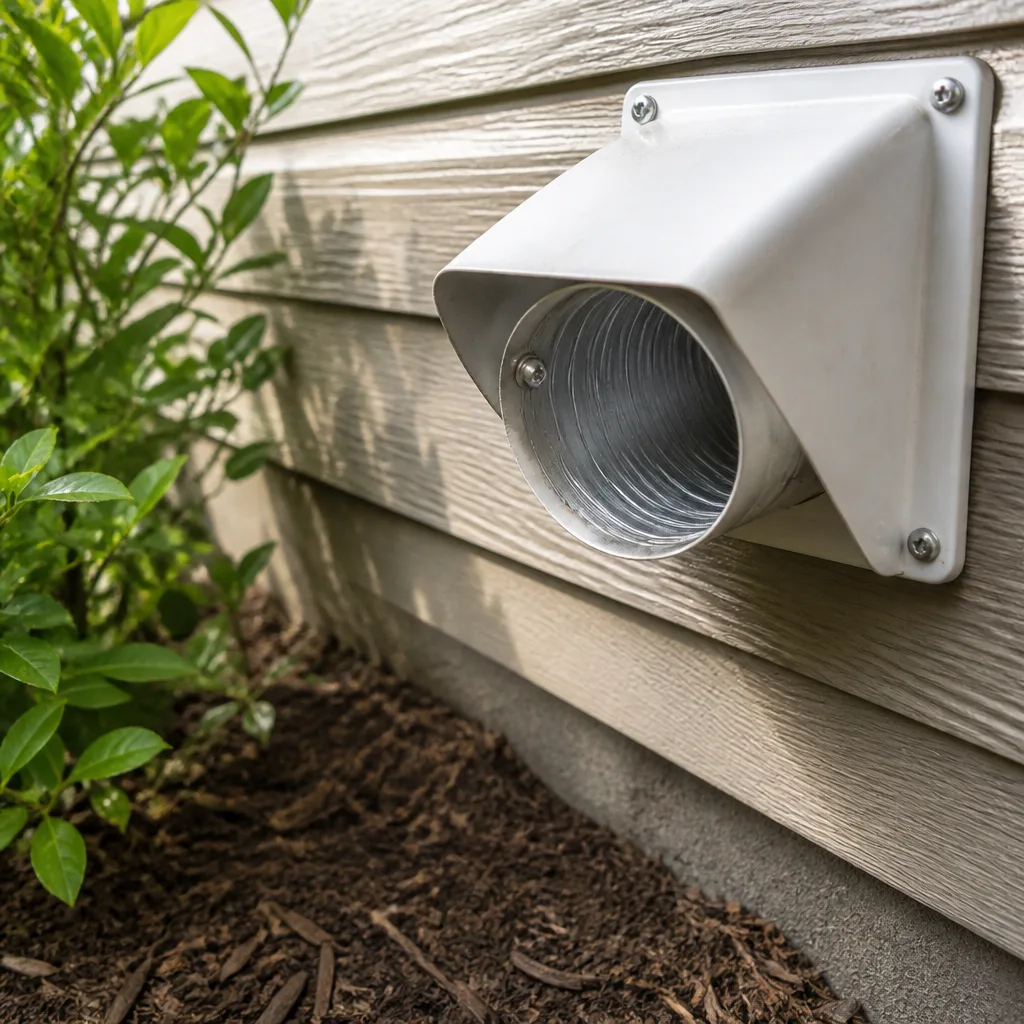 Dryer vent cleaning
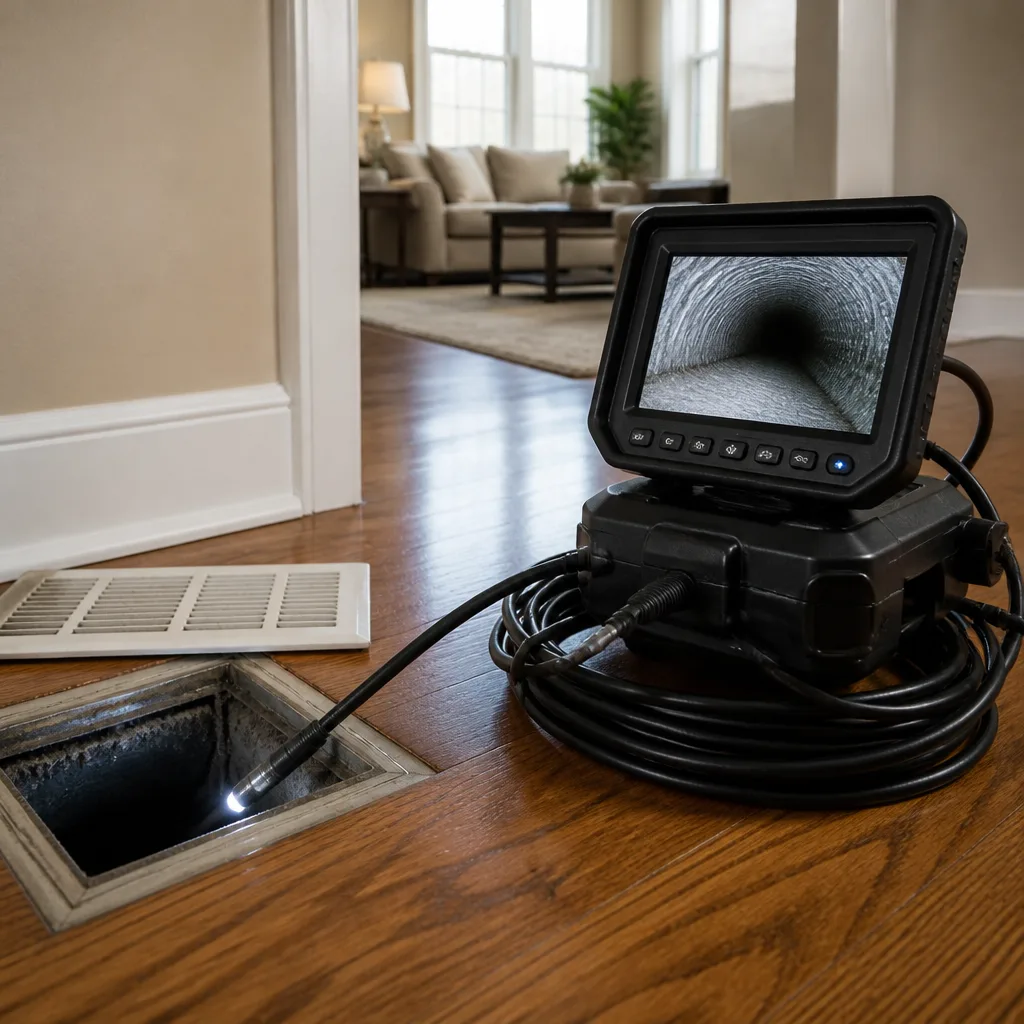 Camera inspection
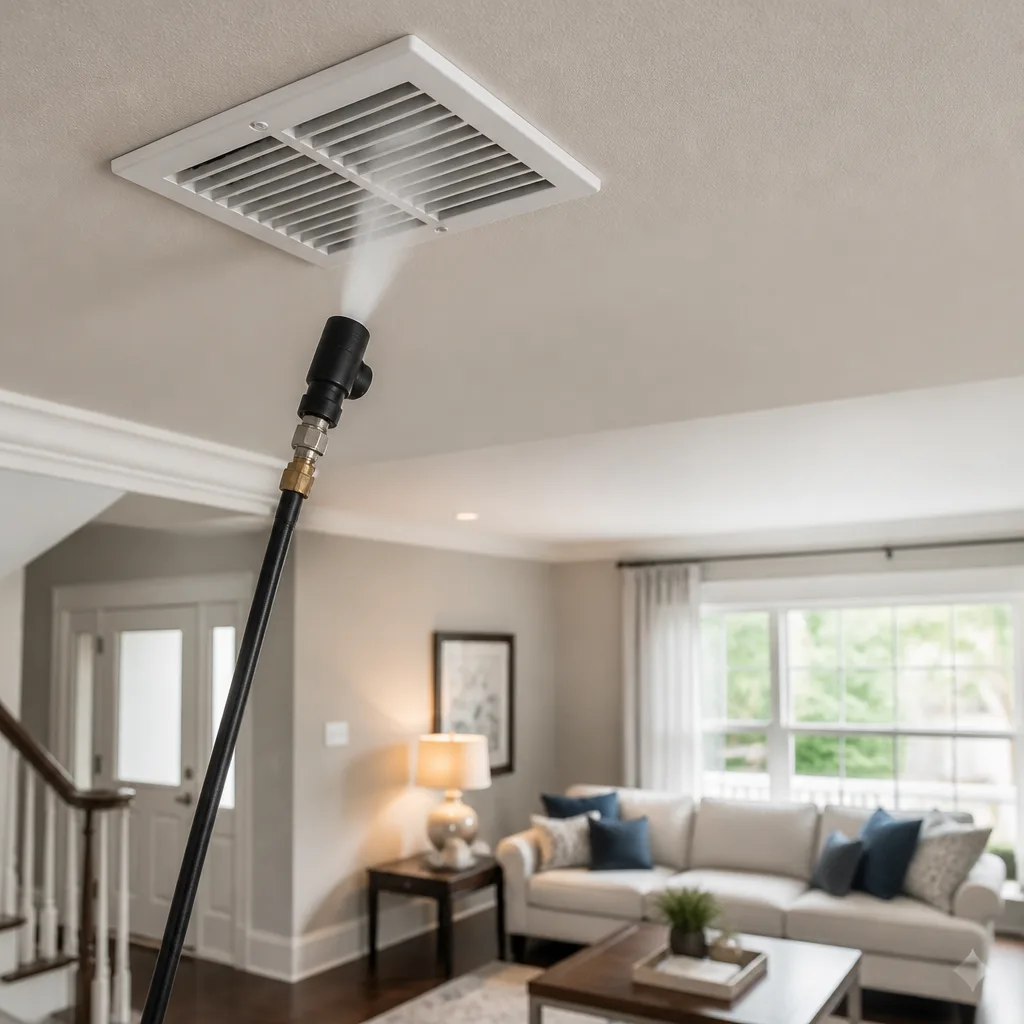 Sanitizing & deodorizing
Whole-system duct and dryer vent check with before-and-after photos - you see exactly what came out of your vents
That "$99 whole-house special" is a bait ad - the real number appears once they are in your hallway, or the "clean" is a shop-vac at the register. We photograph the inside of your ducts before and after instead.
Air Duct Cleaning Warning Signs: A Fox Chase Homeowner’s Reference Guide
Most homeowners call us about the dust. They point at a gray ring around a supply register and assume that’s the first sign something went wrong inside their ductwork. It isn’t. By the time dust is visibly puffing into a room, contaminated air has been recirculating through the living space for months, and the ducts have had a long head start. The signals that actually matter show up earlier, and they’re quieter: a bedroom that never quite matches the thermostat, filters that load up faster than they used to, a smell that only appears in the first minute the system kicks on. This guide walks through those early signs, explains how to tell a duct problem from a coil problem, and covers what older Fox Chase housing stock tends to do to ductwork. We’ll also flag the point where cleaning alone won’t fix it.
Quick Answer
The main warning signs that your air ducts need attention are uneven room temperatures, filters that clog faster than normal, a musty smell in the first minute after startup, visible dust at registers, and whistling or weak airflow at specific vents. In Fox Chase’s older homes, add sagging flex duct, leaky return air runs, and corroded original metal duct to that list. Visible dust is a late-stage sign, not an early one.
Styles & brands we work with
- Whole-home duct cleaning
- Dryer vent cleaning
- Camera inspection
- Sanitizing & deodorizing
Table of Contents
- The Early Warning Signs Most Fox Chase Homeowners Miss
- Dirty Ducts or Dirty Coil? How to Tell the Difference
- Warning Signs Specific to Fox Chase’s Older Housing Stock
- Post-Renovation Contamination vs. Normal Seasonal Buildup
- When Cleaning Alone Won’t Fix It: Repair and Sealing Signals
- Reading Your Filter Loading Rate
- Dryer Vent Warning Signs You Shouldn’t Ignore
- A Step-by-Step Homeowner Checklist
The Early Warning Signs Most Fox Chase Homeowners Miss
Duct contamination rarely announces itself. It shows up as small operating quirks that get written off as “how the house has always been.” In our experience, these five signals are the ones that get ignored longest, and each one points at a different part of the system.
- Uneven room temperatures. If the upstairs bedroom runs three or four degrees warmer than the hallway in summer, and always has, that may feel normal. But a persistent gap that’s grown wider over a couple of seasons usually means a duct run is leaking, restricted, or disconnected somewhere between the main trunk and the register. The system is still moving air; it’s just losing it into a wall cavity or an attic instead of into the room.
- Filters loading faster than they used to. A filter that used to last three months and now looks gray at six weeks is telling you something. Either the return side is pulling in more dust from a leak, or the duct interior is shedding accumulated debris back into the airstream. Track the date you change it. A pattern shift matters more than any single dirty filter.
- A musty smell only at startup. That first-minute odor when the blower kicks on is one of the clearest signs. It’s the smell of air passing over something damp and organic, and if it fades after a minute, the source is usually sitting in the return duct or on the evaporator coil, not floating in the room.
- Whistling or weak airflow at one vent. A register that hisses is often a sign of a restricted or undersized branch. A register that barely moves air while others are strong points at a leak or a collapsed flex run.
- Visible dust at registers, especially the returns. This is the sign everyone watches for and the one that arrives latest. Streaking around a supply grille means the contamination load is already high enough to redistribute into the room.
If two or more of these are showing up at once, that’s your cue to get the system looked at rather than the individual symptom. You can start by reading more about what Air Duct Cleaning Fox Chase covers on our main page, but the practical first move is a professional look at the whole system, not just the visible vents.
Dirty Ducts or Dirty Coil? How to Tell the Difference
Dirty ducts and a dirty evaporator coil present almost identically: musty smell, reduced airflow, higher energy use, more dust. But they’re different problems in different locations, and treating one while ignoring the other wastes money. Homeowners call us regularly asking for duct cleaning when the real issue is a grimy coil sitting behind the air handler.
Here’s how to distinguish them before anyone shows up:
- Where does the smell come from? If the musty odor is strongest near the return grille and fades after a minute of runtime, it’s more likely in the return duct or on the coil face. If the smell is present at every supply register across the house, the contamination is more widespread in the supply side.
- Is the cooling still working? A dirty coil degrades cooling capacity directly. If the system is running but the supply air feels only mildly cool, and the refrigerant charge is fine, the coil is a strong suspect. Duct contamination affects air quality and distribution more than raw cooling performance.
- Check the drain pan and coil cabinet. With the system off, look at the coil compartment. Standing water, biological growth, or a matted layer on the coil fins points to a coil problem. Widespread dust and debris in the trunk line points to a duct problem.
- Ask for a scope inspection. A proper inspection uses a camera inside the duct and a visual check of the coil. Both should be done before anyone starts quoting work. That’s the difference between a contractor-grade evaluation and a phone estimate from someone who never opened a panel.
If both are compromised, they need to be addressed together. Cleaning the ducts while leaving a contaminated coil in place just means the coil recontaminates the ducts within a few months. That’s why we treat HVAC cleaning as a separate scope from duct cleaning but recommend the two together whenever the inspection shows both.
Warning Signs Specific to Fox Chase’s Older Housing Stock
Fox Chase’s housing mix is dominated by mid-century and older construction, and that housing style has its own set of duct failure patterns. The climate matters too. Philadelphia-area summers are humid enough that condensation forms on cold duct surfaces more readily than in drier parts of the country, and that humidity is what drives most of the duct problems we see in Fox Chase homes.
Three patterns come up again and again:
- Sagging flex duct. Flex duct was retrofitted into a lot of older Fox Chase houses where the original layout expected rigid metal. Flex that’s sagged between hangers, kinked at a bend, or compressed into a tight run restricts airflow and traps dust in the low points. A single sagging section can drop the airflow to an entire room.
- Return air leakage. Older return runs often pull from wall cavities or attic spaces that were never intended to be part of the return path. When that happens, the system draws in unfiltered air, dust, and whatever is growing in the cavity. If filters load fast and the house feels dusty despite regular cleaning, that leak is a prime suspect.
- Corroded original metal duct. Original galvanized galvanized steel duct from the original build can develop surface corrosion along the seams, especially where moisture has settled. Corrosion roughens the interior, making debris cling to the walls, and weakens the seam joints. Once the seams open up, the loss of airflow is measurable.
An older system will often show all three at once. If you live in Fox Chase and your ducts are original to a mid-century house, the inspection is more important than the cleaning. We use Rotobrush rotary brush systems because the mechanical action is what dislodges decades of adhered debris from pitted or corroded duct walls; a light vacuum alone won’t lift it.
Post-Renovation Contamination vs. Normal Seasonal Buildup
A renovation changes what’s inside your ducts, and it changes it fast. Drywall dust, joint compound, sawdust, and insulation fibers from a single remodel can put more material into a duct system in three weeks than normal household accumulation would in three years. That’s not a seasonal buildup problem; it’s a construction debris problem, and the response is different.
Here’s how to distinguish them:
- Timing. If a dust spike starts within days of a renovation project finishing, that’s the cause. Seasonal buildup is gradual and usually accompanies a change of season, not a construction project.
- Texture. Drywall dust is fine and white; it settles on every horizontal surface, coats registers, and gets pulled back into the return faster than ordinary household dust. Joint compound has a chalky hand-feel. Normal dust is darker and slightly oily by comparison.
- Distribution. Post-renovation contamination is heavy in the rooms nearest the work, and often in the return closest to the project. Ordinary buildup is more uniform across the system.
- Filter symptom. Filters that were clean before a renovation and are clogged white a few days in are a clear signal. Post-renovation filters load much faster and need multiple changes before the ducts are cleaned.
Renovation debris also matters because drywall dust is abrasive. Left in the system, it scours blower wheels and coats the coil. If you’ve just finished a remodel in your Fox Chase home, we recommend a duct inspection before you turn the system back on for the season. Abatement Technologies equipment is what we use on remediation-level jobs, because the HEPA-filtration standard needed to safely remove fine construction dust is different from what ordinary cleaning uses.
When Cleaning Alone Won’t Fix It: Repair and Sealing Signals
Cleaning removes what’s inside the duct. It doesn’t fix a duct that’s fallen apart. Homeowners often ask for cleaning when the underlying problem is structural, and if you clean a leaking system, the contamination returns quickly. Here are the signals that point to repair or sealing being necessary, not just cleaning.
- Temperature gaps that persist after cleaning. If rooms were still uneven after a proper cleaning, the ductwork is losing air somewhere. That’s a sealing problem.
- Visible disconnections or gaps at joints. With the system off, look along accessible duct runs for separated joints, pulled-apart flex collars, or gaps where duct tape has dried out.
- Whistling or a roaring sound from a wall or ceiling. Whistling that isn’t at the register but behind it usually means a leak in the branch. A loud whoosh near a return suggests the return is undersized or disconnected.
- Dust streaks around seams and fitting joints. Dust drawn through a leaking joint leaves a dark trail. Those streaks are the visible footprint of a leak.
- Recurring contamination after cleaning. If the ducts feel dirty again within a season, or filters return to fast loading, there’s a leak somewhere pulling contaminants in.
We seal what we find. Duct repair and sealing is a core service for us, not an upsell tacked onto a cleaning visit. If the inspection shows gaps, disconnected sections, or deteriorated seams, we scope the repair separately and quote it in writing before any work starts. That scope matters, because the alternative, cleaning a leaking system, is what makes homeowners cynical about duct servicing in the first place.
Reading Your Filter Loading Rate
Your filter loading rate is one of the most ignored and most useful diagnostic signals a homeowner has. It’s a simple measure: how long a filter lasts before it visibly needs replacing. When that interval shortens steadily over a few seasons, the system is telling you something about what’s entering the airstream.
To read it properly, do this:
- Write the install date on the filter edge. A marker on the frame is more reliable than memory.
- Check monthly. Look at the filter under good light. Note whether it’s still light-colored, evenly grayed, or fully loaded.
- Log the replacement date. Keep a note on the unit or your phone. A pattern across four or five changes tells you more than any single check.
A shortening interval points at one of three causes: a duct leak pulling in unfiltered air, an undersized or low-MERV filter that can’t hold the load, or interior contamination in the duct system itself being re-entrained. The right MERV for your system is a balance between filtration and airflow, and the right filter type depends on the air handler. Honeywell and Aprilaire filtration products are what we recommend when we move a homeowner to a media cabinet filter after cleaning, because a proper 4-to-5-inch media filter holds a longer service interval than a 1-inch panel and doesn’t starve the system of airflow.
Dryer Vent Warning Signs You Shouldn’t Ignore
Dryer vents share the ductwork warning-sign logic but carry a much higher safety weight, because lint buildup is one of the leading causes of residential fires. The signs that a dryer vent needs cleaning are different from the signs that a supply duct needs cleaning, and they’re worth knowing separately.
- Clothes take two cycles to dry when they used to dry in one.
- The dryer body gets noticeably hot to the touch on the top or sides during a cycle.
- The outside vent flap doesn’t open fully when the dryer runs, or flaps weakly.
- Lint accumulates around the dryer door, in the lint trap housing, or behind the appliance.
- A musty or scorched smell in the laundry room during or after a cycle.
Any single one of these warrants a look, and two together warrant a professional visit. This is height and fire-safety territory, and the standard for clearing a full dryer vent run is a proper rotary brush and vacuum, not a hand-vacuumed lint trap. Our dryer vent cleaning covers the full run from the appliance to the exterior termination, and inspecting the bends where lint collects hardest. If the dryer vent run is long or has multiple elbows, this should be done on a regular schedule.
A Step-by-Step Homeowner Checklist
You can rule out a lot of duct problems before calling anyone. This checklist walks through what to look at, in order, and what each finding means.
- Walk through the house and note room temperatures. Write down the temperature in each room at a consistent time of day for three days. A day-to-day pattern of three or more degrees of variance is a distribution issue.
- Look at every supply and return register. Note visible dust streaking, dark rings, or separation from the drywall. Streaking at the return is the strongest signal.
- Check the filter and note the last replacement date. If the filter is fully loaded and was installed less than six weeks ago, that’s a red flag.
- Smell the first minute of a heating or cooling cycle. Cycle the system on and walk through the rooms. A musty or “old house” smell that fades indicates a return-side or coil source.
- Listen for whistles and weak airflow. Put your hand near each register. Strong at three and weak at one is a leak or disconnected run.
- Inspect accessible duct runs. With the system off, look in the attic, basement, or crawlspace. Look for sagging flex, pulled-apart joints, and corrosion on original metal.
- Check the dryer vent flap outside. Run the dryer and watch the exterior flap. It should open strongly and close cleanly.
If three or more checks come back positive, the system needs a professional look. If you recently renovated, add a duct inspection to that list regardless of what the checklist shows. A thorough look is what air duct cleaning starts with. Cleaning without inspection is guesswork.
Common Mistakes to Avoid
- Judging the ducts by visible dust alone. The most advanced contamination is often invisible at the register. Waiting for visible dust means waiting until the system has been redistributing debris into living spaces for months.
- Assuming all duct cleaning is the same. The equipment matters. A low-powered shop vac doesn’t dislodge adhered debris or fine drywall dust the way a contractor-grade rotary brush and HEPA vacuum does. When you get quotes in Fox Chase, ask what equipment is on the job before you compare prices.
- Cleaning without inspecting first. If a contractor quotes and cleans without opening a panel or scoping the run, they haven’t seen the problem. Ask for a scope inspection before any work is booked.
- Cleaning a leaking system. Cleaning a duct run with pulled joints or disconnected flex returns the contamination in weeks. If the inspection finds leaks, sealing has to be part of the scope.
- Confusing a dirty coil with dirty ducts. A musty smell and reduced airflow can come from either. Cleaning the ducts when the coil is the real culprit wastes money.
- Choosing on price alone after a renovation. Drywall dust is a different problem with a different remediation standard. Fine construction dust requires HEPA-filtered equipment and careful containment, and skipping that step puts the dust back into the room.
- Ignoring the dryer vent. Homeowners treat this as a minor task. It’s a fire-safety item and should be inspected on a schedule, especially if the run is long or the dryer is older.
See the difference
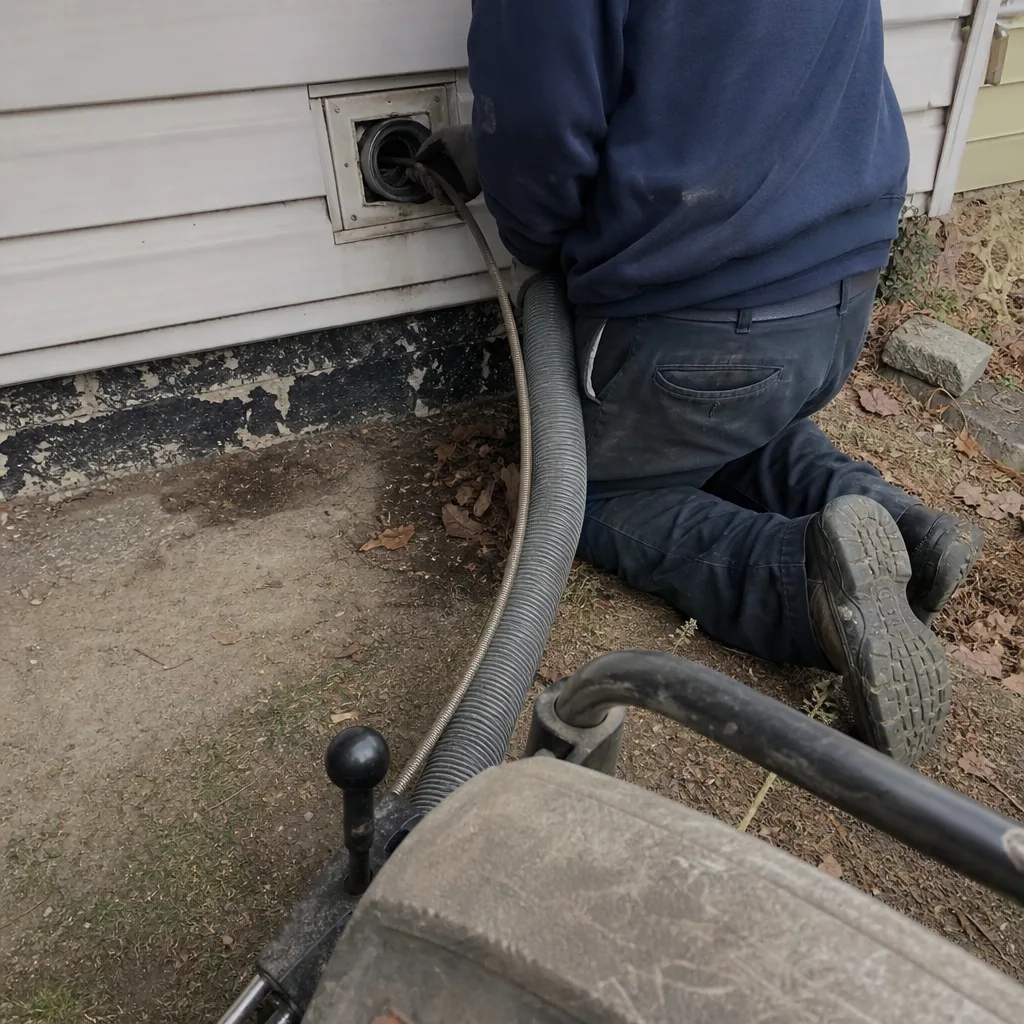 Before
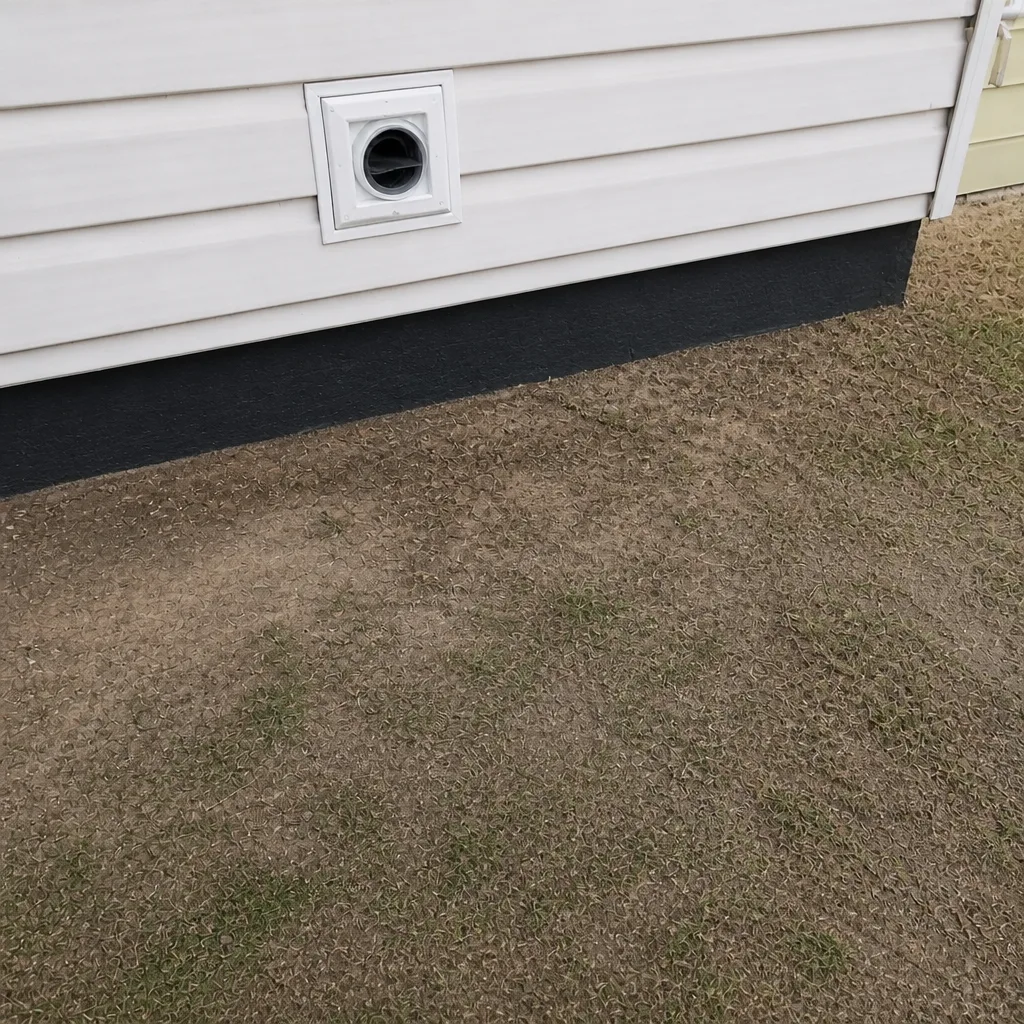 After
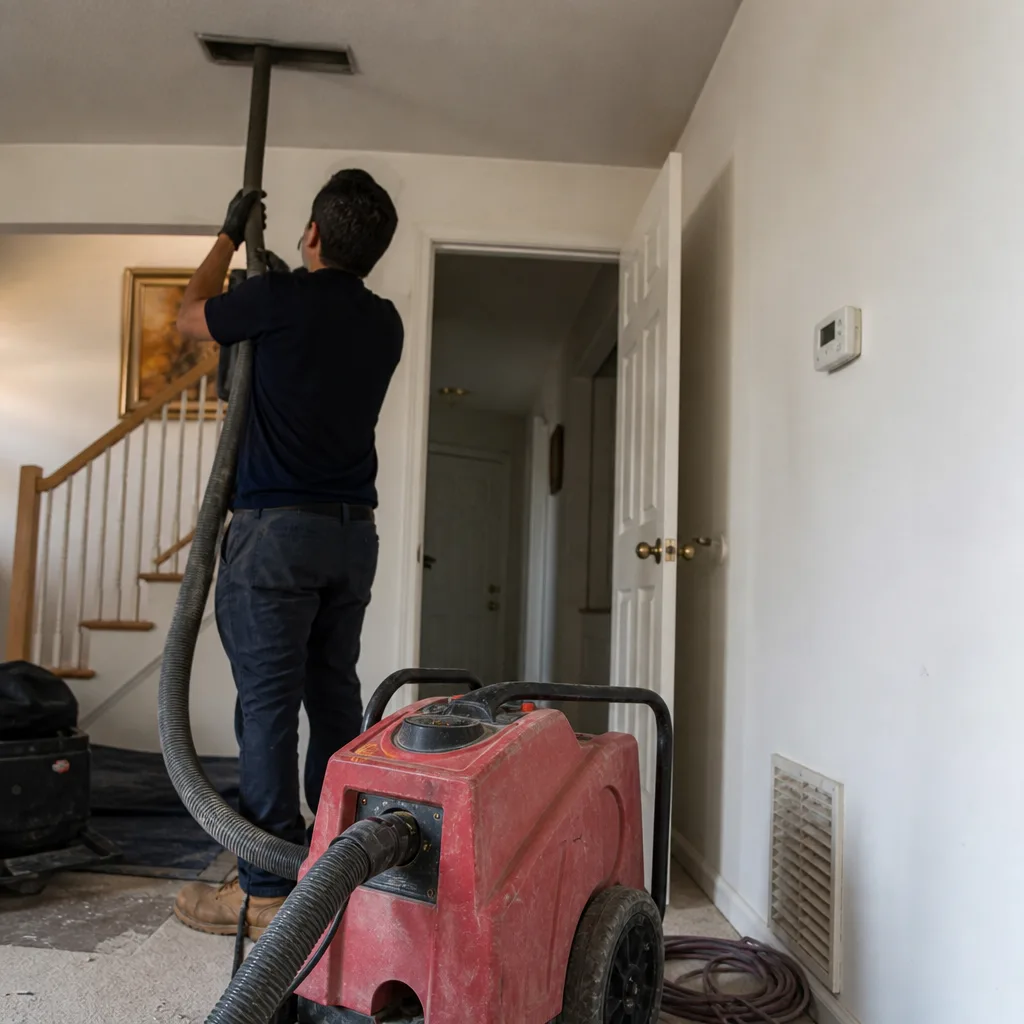 Before
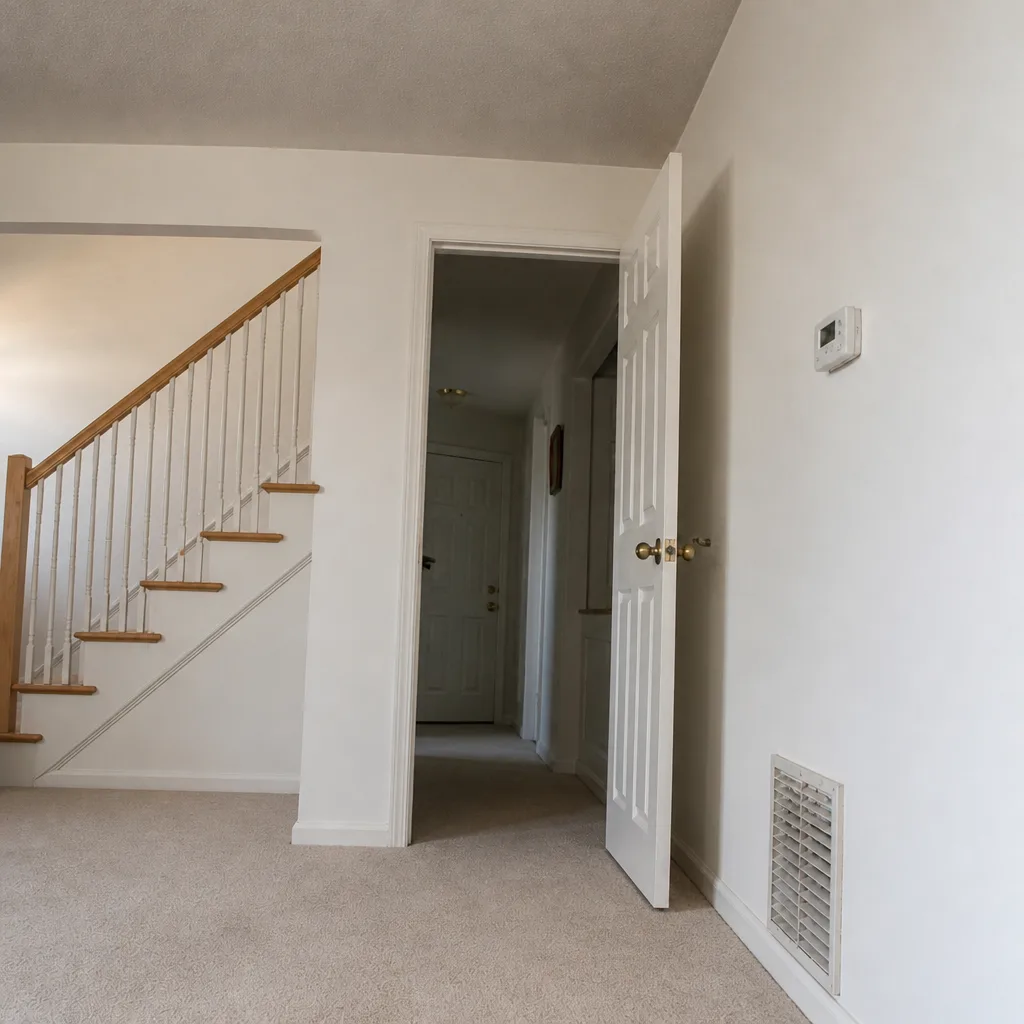 After
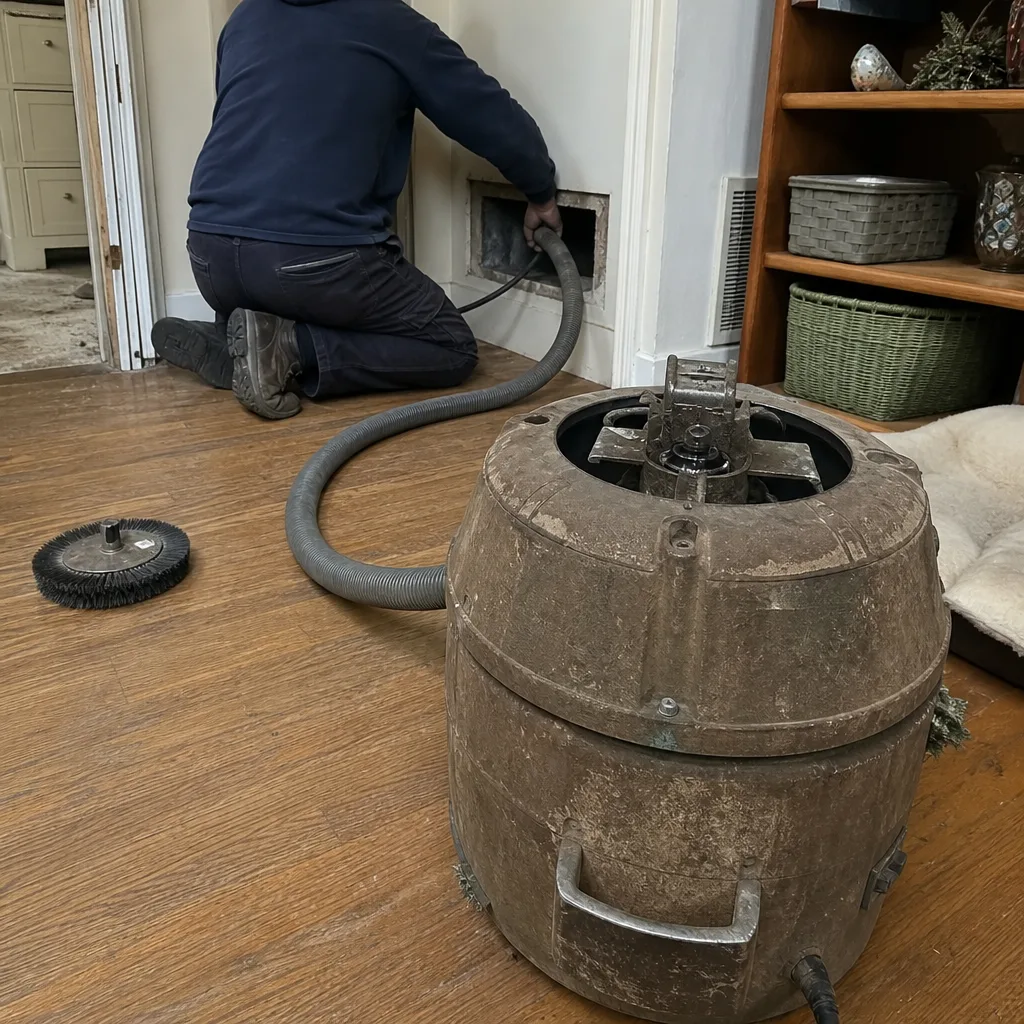 Before
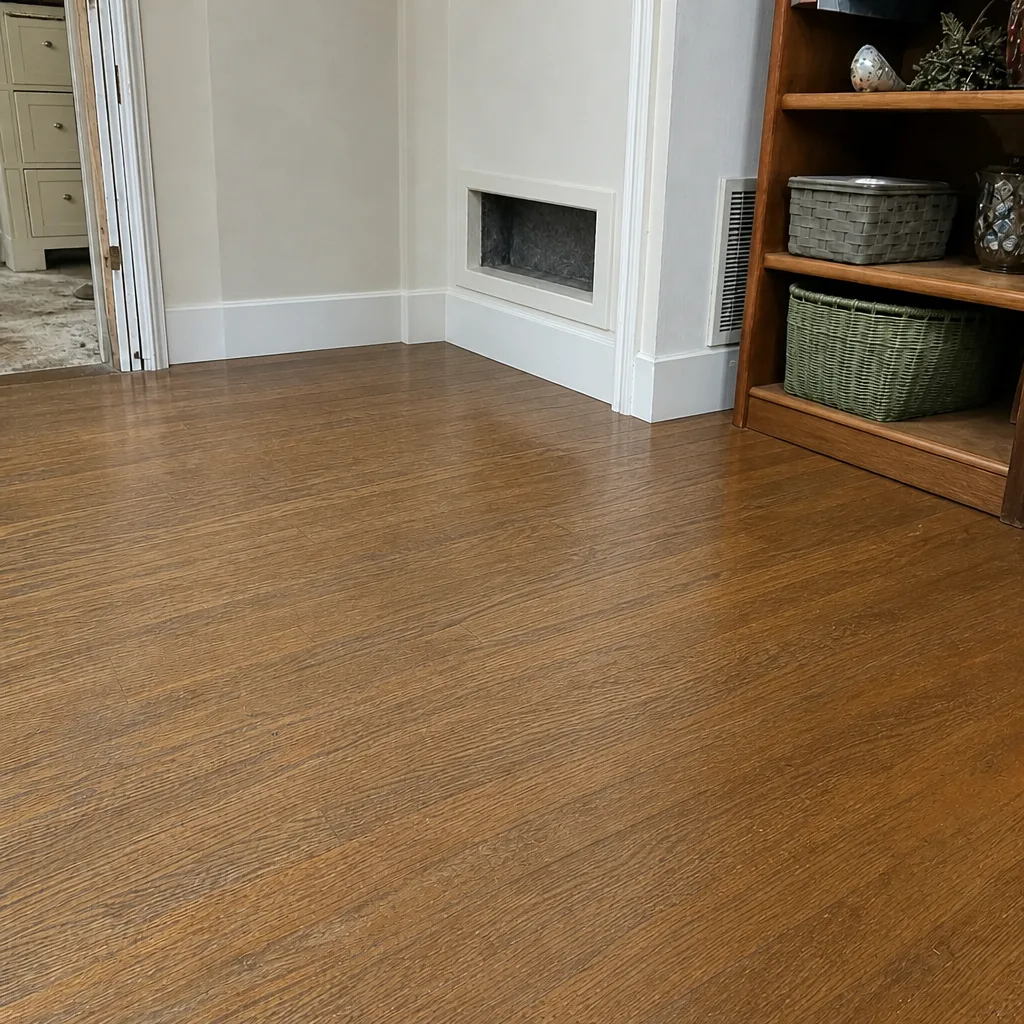 After
When to Call a Professional
Call a professional when two or more early warning signs show up at once, when the system has been cleaned before and the contamination has returned, when you’ve finished a renovation, or when a scope inspection hasn’t been done in years. Also call if the system has a persistent musty smell, any room with a temperature gap that won’t close, or a dryer vent with more than one warning sign on the list above. The symptoms cross multiple services, and getting one answer to cover duct, coil, and sealing is better than calling three separate trades.
Air Duct Cleaning Fox Chase offers free estimates in Fox Chase, and our technicians have up to 14 years of experience. We scope every job with real equipment, quote one flat price per system in writing, and share before-and-after photos from your own ducts when we finish. Call (844) 625-7003. We answer 24/7. Fast dispatch from 7am to 7pm, Sunday through Friday.
Frequently Asked Questions
Air duct cleaning in Fox Chase typically runs roughly $350 to $700 for a standard single-system home, and $600 to $1,200 or more for larger homes or systems that need repair and sealing in addition to cleaning. The final price is set per job by the written estimate after we inspect the system, not by a per-vent count from a flyer. That estimate is free, and it’s what the price stays. Call (844) 625-7003 for an exact quote, and remember, estimates are free.
Cheap quotes usually mean cheaper equipment, and cheaper equipment is what leaves contamination behind. A low-powered vacuum can’t lift adhered debris from duct walls the way a rotary brush and HEPA vacuum can, and a low quote often skips the inspection step entirely, which is where leaks and coil problems get found. When you compare quotes, ask what equipment is on the job and whether the scope covers inspection, cleaning, and sealing. The written estimate is what separates an honest quote from a coupon. Call (844) 625-7003 and we’ll walk you through what’s in the scope. Estimates are free.
Ask for before-and-after photos of the interior of your own ducts, not a stock picture. We take photos inside the duct at the supply and return before cleaning and again after, so you can see the difference yourself. Pile it on top of the scope inspection report, and you have a clear picture of what was found and what was cleaned. Call (844) 625-7003 to schedule an inspection. Estimates are free.
Most homes need duct cleaning every three to five years under normal use, though homes with pets, recent renovations, or a history of leaks can need it sooner. The reliable rule is to check the filter loading rate and watch for the early warning signs above, and to inspect the duct once a year during routine HVAC maintenance. If the system has been cleaned before and shows warning signs again within a year, the issue is likely a leak or sealing problem rather than accumulation. Call (844) 625-7003 to talk through your situation. Estimates are free.
A dirty coil shows up as reduced cooling capacity, a musty smell strongest near the return air grille, and sometimes standing water in the coil cabinet. If the supply air is only mildly cool while the system is running and the refrigerant charge is fine, the coil is the prime suspect. Duct contamination affects air quality and airflow balance more than raw cooling. We inspect both areas before quoting any cleaning. Call (844) 625-7003 for an inspection. Estimates are free.
You need repair if a proper inspection finds separated joints, disconnected flex, or deteriorating original metal duct, or if temperature gaps persisted after a previous cleaning and contamination returned quickly. Cleaning removes what’s inside a duct; it doesn’t fix a duct that’s lost its structural integrity. We seal what we find and quote the repair separately in writing, so cleaning and sealing are two clear line items, not one blended number. Call (844) 625-7003 to schedule an inspection. Estimates are free.
The Bottom Line
The warning signs that matter most in a Fox Chase home aren’t the dramatic ones. They’re the quiet signals: uneven temperatures that have crept wider, filters loading faster, a musty smell in the first minute of a cycle, a register that whistles instead of blows. Visible dust is the late sign, arriving months after the real problem started. In older Fox Chase homes, add sagging flex, leaking returns, and corroded original metal to the list. Post-renovation homes need a different scope entirely because drywall dust is a construction problem, not a seasonal one. Inspect before you clean, seal what you find, and watch the filter loading rate as your long-term gauge.
If you’re ready for a professional look, call Air Duct Cleaning Fox Chase at (844) 625-7003 for a free estimate. We answer 24/7. Fast dispatch from 7am to 7pm, Sunday through Friday. One flat price per system, agreed in writing before work starts, with before-and-after photos of your own ducts when we finish. Contractor-grade equipment on every job, and full-scope service from cleaning to repair to sanitizing, so one call covers it.
Written by the team at Air Duct Cleaning Fox Chase.