
Last updated November 24, 2026
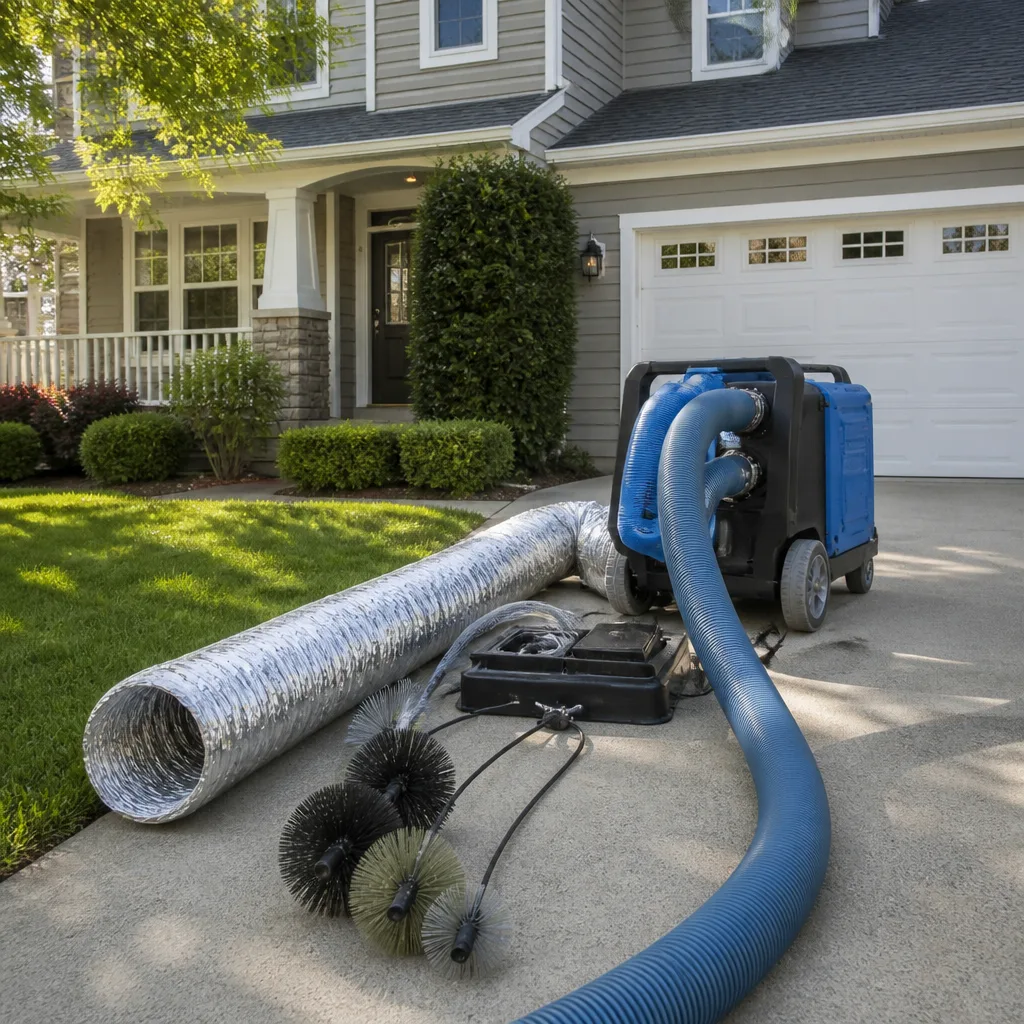 Whole-home duct cleaning
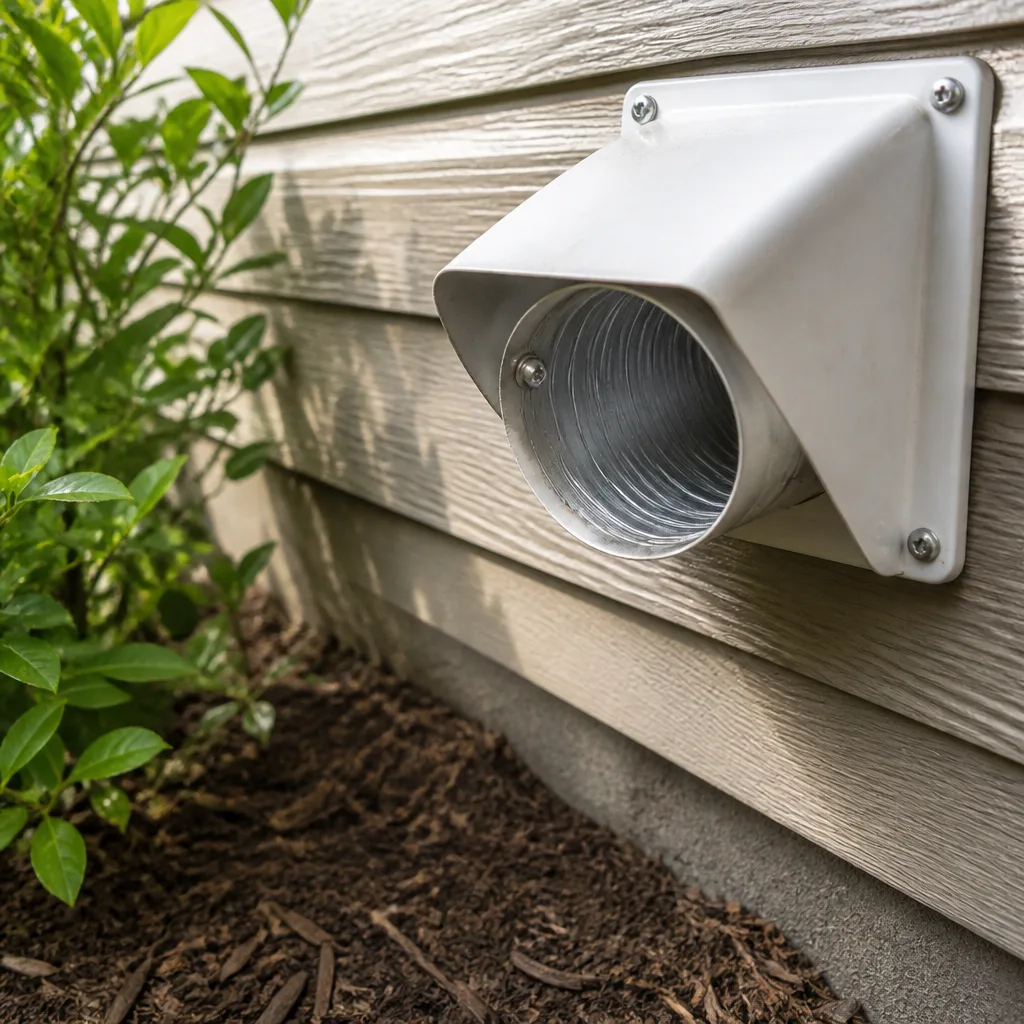 Dryer vent cleaning
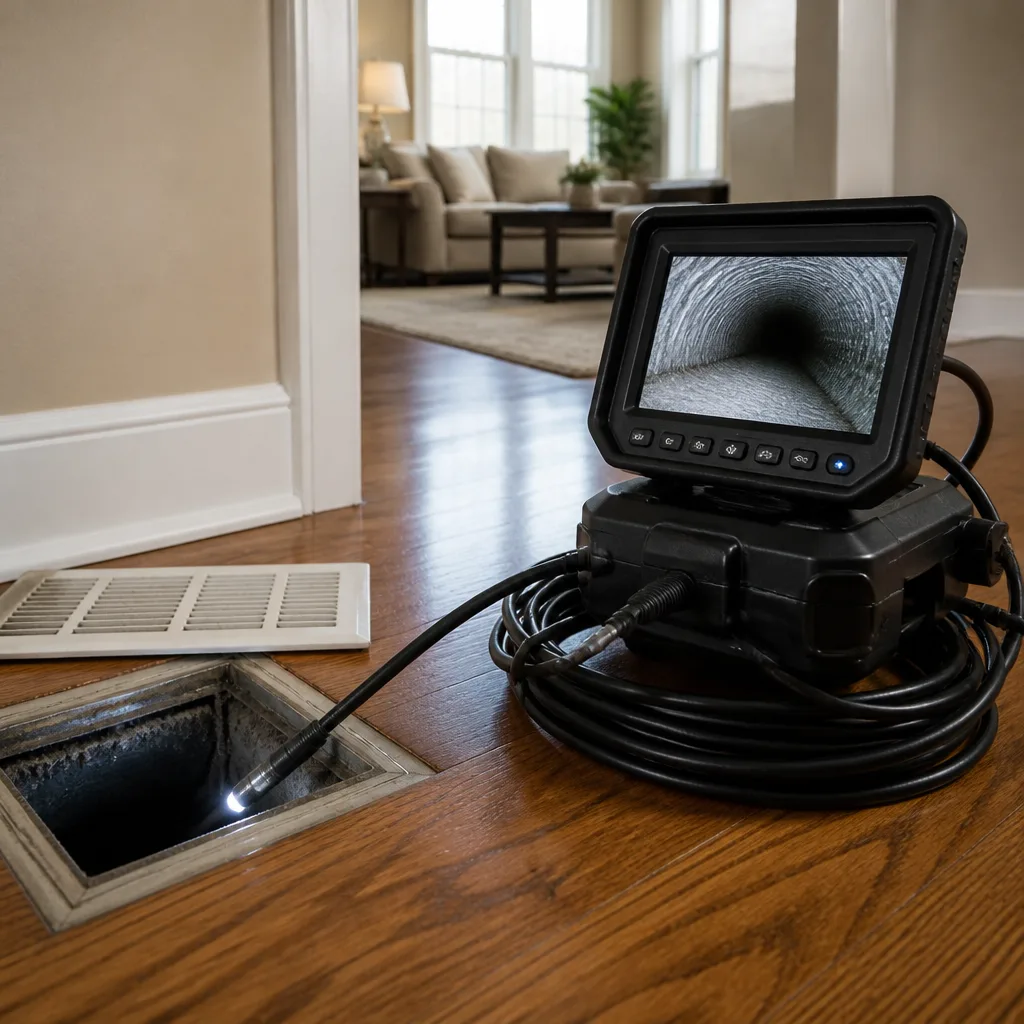 Camera inspection
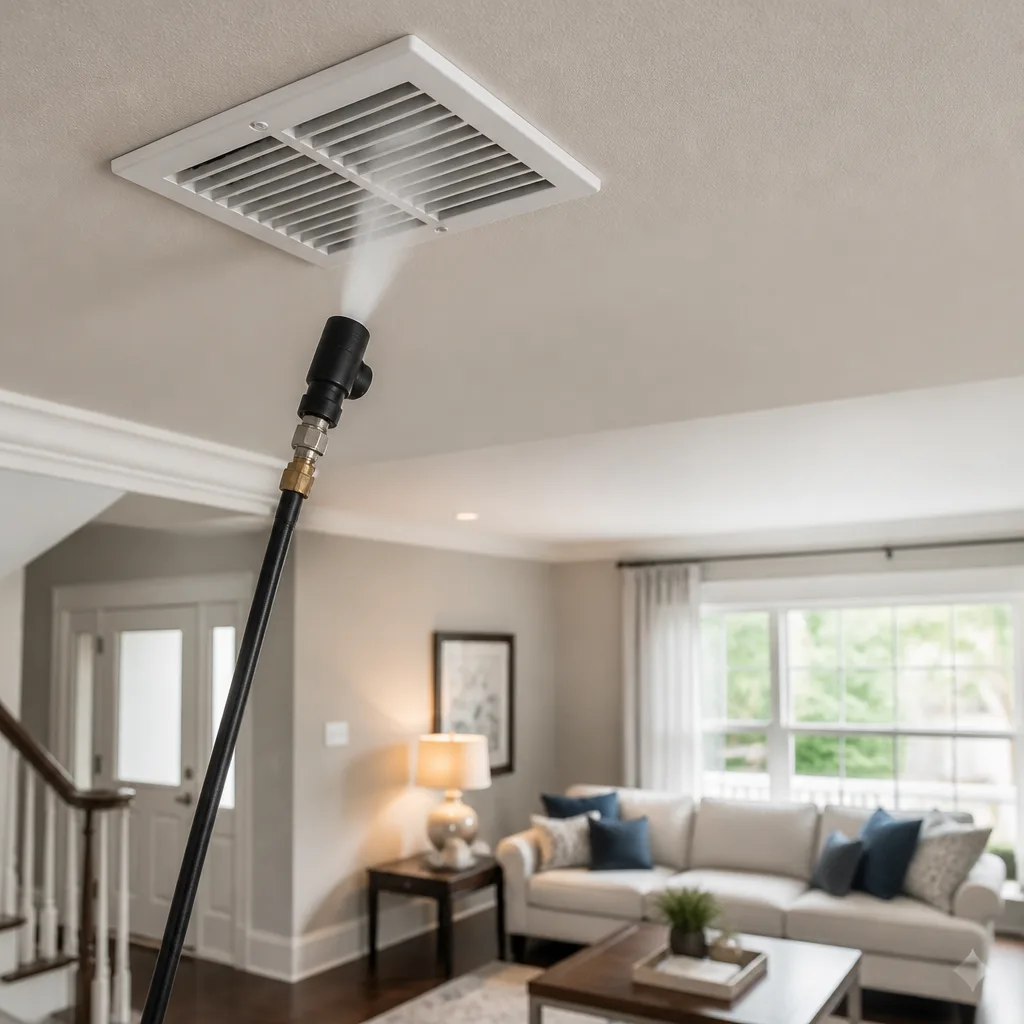 Sanitizing & deodorizing
Whole-system duct and dryer vent check with before-and-after photos - you see exactly what came out of your vents
That "$99 whole-house special" is a bait ad - the real number appears once they are in your hallway, or the "clean" is a shop-vac at the register. We photograph the inside of your ducts before and after instead.
Air Duct Cleaning Emergency Preparedness Guide for Fox Chase Homes
After a house fire, most restoration crews focus on what you can see: charred framing, stained drywall, the smell that settles into upholstery. What gets missed is the duct system. Smoke particles smaller than 2.5 microns slip past filters, coat the inside of ductwork, and keep releasing odor for weeks if the system isn’t specifically treated. The same is true after a flood reaches HVAC equipment, or after a renovation pushes drywall dust through every return. In our experience working Fox Chase homes, the duct system is the last thing anyone thinks about in an emergency and the first thing that turns a repaired house back into a problem. This guide covers when emergency duct response is actually necessary, what it involves, and how to document it for insurance.
Quick Answer
Emergency duct cleaning is necessary after three events: a fire or smoke event, a flood that exposed HVAC equipment or ductwork to water, and a major renovation that let construction dust infiltrate the system. In each case, the duct system needs assessment before the HVAC runs again. Emergency duct cleaning differs from standard cleaning in scope, equipment, and documentation: it targets embedded contamination, uses remediation-grade HEPA vacuum and sanitizing tools, and produces a written record for your insurer.
Styles & brands we work with
- Whole-home duct cleaning
- Dryer vent cleaning
- Camera inspection
- Sanitizing & deodorizing
Table of Contents
- The Three Emergencies That Require Immediate Duct Assessment
- Why You Shouldn’t Run the HVAC After a Smoke or Flood Event
- What a Post-Emergency Duct Assessment Covers
- How to Document Duct Contamination for Insurance
- Emergency Duct Cleaning vs. Standard Duct Cleaning
- Renovation Dust: The Slow-Motion Emergency
- The Equipment That Separates Remediation From Cleaning
- Preparing Your Fox Chase Home Before Anything Happens
The Three Emergencies That Require Immediate Duct Assessment
Not every house event touches the ducts. Replacing a roof doesn’t. A kitchen grease fire contained to the stovetop usually doesn’t. Three specific situations do, and in each of them the duct system moves from “needs cleaning eventually” to “needs assessment now.”
1. Fire and Smoke Events
Any fire large enough to produce visible smoke beyond the room of origin sends combustion particles through the return air path. Smoke residue is acidic and sticky. It bonds to galvanized steel, and it soaks into porous duct liner, the fiberglass matting that lines the inside of many duct runs. Once it’s in the liner, it doesn’t come out with a shop vac. Residue continues to off-gas, which is why a house can smell “not right” months after restoration finishes. The duct system is often the reason.
2. Flood With HVAC Exposure
Water that reaches the furnace, air handler, or any section of ductwork creates a different problem than fire. Moisture inside a duct system, combined with the residual dust and organic material that already coat the interior, gives mold a food source and a place to grow out of sight. A flooded basement in Fox Chase that submerged the bottom of an air handler is a duct emergency even if the ductwork itself stayed dry, because the moisture wicks and the system’s airflow carries spores through the house.
3. Major Renovation With Dust Infiltration
Full-gut renovations, hardwood sanding, and drywall work generate fine particulate that finds its way into return ducts within hours if the system is running, and within days if it isn’t. Unlike fire and flood, this one is gradual, which is what makes it easy to ignore. If your contractor didn’t seal the registers before demo started, assume the ducts took on dust.
Why You Shouldn’t Run the HVAC After a Smoke or Flood Event
The single biggest mistake after a smoke or flood event is turning the system back on to “air the place out.” Running the HVAC after contamination spreads it. Every return pulls airborne soot, char, or mold spores into the system and pushes them into rooms that were clean. Worse, the system’s blower can force particles deep into porous duct liner, where they permanently embed in a way no cleaning process fully reverses.
The right sequence after a fire or flood:
- Shut the system off at the thermostat and at the breaker if you have safe access. Don’t run the fan in “on” mode either. Moving air is the enemy here.
- Change nothing inside the ductwork yourself. Don’t vacuum registers, don’t remove grilles to “take a look,” and don’t spray anything into the system. You’ll disturb settled residue and complicate the professional assessment.
- Call a duct professional for assessment before the HVAC contractor restarts the system. Most people call the HVAC tech first. The HVAC tech checks the equipment, not the duct interior, and will often restart the system once the equipment is cleared, which pushes residual contamination through the house.
- Keep windows and doors closed where practical and avoid running window fans or portable units that create cross-drafts through the duct paths.
For a flood, add step zero: make sure the electrical panel serving the HVAC equipment is dry and inspected before anyone restarts anything. Water and electricity inside an air handler is a shock risk, and that’s a licensed electrician’s call, not something to test yourself.
What a Post-Emergency Duct Assessment Covers
A standard cleaning inspection asks one question: how dirty is the duct system, and what’s the right cleaning method? A post-emergency assessment asks different questions, and the answers determine whether the job is a cleaning or a remediation.
The assessment should include:
- Source identification. Which duct runs were in the path of the smoke, water, or dust? A fire in a second-floor bedroom contaminates the returns in adjacent rooms first, and the assessor needs to map the airflow path, not just sample the main trunk.
- Liner inspection. Porous duct liner is where contamination embeds. The assessor should physically inspect lined sections, not just look through a register with a flashlight. Liner that’s soaked or heavily smoked may not be cleanable and has to be evaluated for replacement.
- Moisture readings. After a flood, moisture meters at multiple duct sections establish whether the system is wet, damp, or dry. This determines whether the system can be cleaned now or needs drying first.
- Equipment assessment. Is the air handler or furnace itself contaminated? A coil caked with soot or a blower wheel growing mold needs HVAC cleaning as part of the job, not a separate afterthought.
- Air quality sampling where warranted. For remediation-level jobs, particle sampling before and after gives a measurable record of what changed.
- A written scope of work. What gets cleaned, what equipment is used, what happens if the liner is found unserviceable, and what the expected outcome is.
If your assessor can’t tell you what’s in the liner and whether your system has any, ask why. That answer tells you whether you’re getting a real assessment or a sales visit.
How to Document Duct Contamination for Insurance
Insurance adjusters handle duct claims regularly, and the ones that get approved without a fight share one thing: clear documentation from a contractor who knew what to photograph. Whether your policy covers duct remediation depends on the event and your specific coverage, which is a conversation for your adjuster, not us. What we can tell you is what makes the claim file credible.
The photos your file needs:
- Wide shots of each affected room showing the event damage, with registers visible in frame.
- A shot of your thermostat and HVAC equipment data plate before anything is touched. That establishes the system’s make, model, and age.
- Interior duct photos. These require a professional scope camera, which is why a contractor report matters. Handheld phone shots through a register don’t document liner contamination.
- Photos of visible soot, waterlines, or dust trails at register boots and grilles.
- Before-and-after photos of the cleaning itself.
The records your file needs: your original loss report and claim number, the date of the loss, the contractor’s assessment report, the written scope of work with equipment specified, and the final invoice with before-and-after documentation attached.
What the contractor report should include: the inspection date, the rooms inspected, the specific contamination observed and where, moisture readings if flooding was involved, the recommended cleaning method, the equipment to be used by brand and type (this is where contractor-grade equipment matters to an adjuster), the estimated scope, and photos referenced to the report by number. A one-line invoice that says “duct cleaning” is a harder claim to support than a report that describes what was found.
Documentation is also the reason to avoid a cheap duct cleaner on a post-emergency job. An insurer reviewing a claim with no interior duct photos, no moisture readings, and no specified equipment is being asked to trust that the work was done. That’s a weaker file.
Emergency Duct Cleaning vs. Standard Duct Cleaning
Standard air duct cleaning removes accumulated household dust, pollen, and debris from the duct system. Emergency duct cleaning removes contaminants that were introduced by a specific event and addresses the source. The difference shows up in process, equipment, and outcomes.
- Source vs. accumulation. Standard cleaning is about what’s built up over time. Emergency work is about what a fire, flood, or renovation introduced.
- Scope. Standard cleaning covers the duct runs and vents. Emergency work often includes the air handler, blower assembly, and evaporator coil, plus sanitizing after cleaning. That’s HVAC cleaning, and on a post-emergency job it’s usually not optional.
- Sanitizing. Standard cleaning ends with the ducts clean. Emergency cleaning typically ends with sanitizing using remediation-grade products, because cleaning removes the visible contamination and sanitizing addresses what the cleaning couldn’t reach.
- Verification. Standard cleaning is verified by visual inspection and before-and-after photos. Emergency work often adds air quality sampling so the result is measurable.
- Possible repair. Emergency work frequently uncovers duct damage: collapsed sections from water weight, separated joints pulled loose during restoration, rusted-through metal. Sealing and repair happen during the job, not on a return visit.
One thing both have in common: the price should be set per job by a written estimate. A per-vent quote doesn’t survive contact with a real post-emergency job, because the job changes once the assessor looks inside the system.
Renovation Dust: The Slow-Motion Emergency
Fire and flood get attention because they happen loudly. Renovation dust is the emergency nobody labels as one. In Fox Chase, with its mix of older homes being gutted and updated, this is the most common post-event duct situation we see.
Construction dust is finer and more abrasive than household dust. Drywall sanding produces particles small enough to pass through standard furnace filters, and if the system runs during a renovation, those particles coat the inside of the ducts, settle into the blower motor windings, and pack into the evaporator coil fins. A furnace blower pulling renovation dust is working harder, running hotter, and wearing faster. The visible evidence shows up later as higher energy bills and a system that quits during a cold snap.
What to do during and after a major renovation:
- Tape over registers and return grilles in the work zone before demo starts. This is cheap prevention and worth insisting on with your contractor.
- Turn off the HVAC system during heavy dust phases (sanding, demo, drywall) and use window ventilation instead.
- After the renovation, don’t just change the filter and call it done. Change the filter, then have the ducts inspected, especially if the system ran during the work at all.
- If there’s any doubt, get a scope inspection before your next heating or cooling season starts.
For homes that also have a dryer vent running through a renovation zone, add dryer vent cleaning to the punch list. Renovation debris collects in dryer vents the same way it collects in ducts, and lint plus construction debris inside a hot dryer exhaust path is a fire risk worth eliminating before the first laundry cycle.
The Equipment That Separates Remediation From Cleaning
Equipment is the difference between a job that looks done and a job that is done. On standard cleaning, it matters. On post-emergency work, it’s the whole ballgame. A household shop vacuum with a duct brush kit cannot pull embedded soot out of porous liner, and it can’t hold fine particulate that passes through a standard filter. Running a shop vac on contaminated ductwork can actually make the air quality worse by exhausting fine particulate back into the room.
What professional post-emergency equipment looks like:
- Rotary brush systems. A contractor-grade rotary brush on a flexible shaft, driven by a HEPA vacuum, agitates and removes contamination from duct walls. Rotobrush is the system most professional HVAC contractors recognize, which is part of its value on an insurance file.
- HEPA negative-air equipment. On remediation-level jobs, the vacuum side has to be true HEPA so particles are captured, not redistributed. Nikro professional HVAC equipment is built for this, and Abatement Technologies equipment is what professional mold and contaminant abatement contractors use on the same class of work.
- Sanitizing equipment. Foggers and applicators designed for duct interiors, not the same spray bottles used to wipe counters.
- Post-clean filtration. Cleaning a duct system and leaving the original thin filter in place wastes the cleaning. Honeywell and Aprilaire media cabinets and filtration upgrades give the system a way to keep itself cleaner, and they’re the products we recommend most often after a remediation job because they raise the filter’s capture efficiency for the size of particles that cause the most problems.
Not every vendor offers the filtration side. Ours does, and that matters after an emergency because the system needs an upgrade, not just a cleaning.
Preparing Your Fox Chase Home Before Anything Happens
Emergency duct response is faster when the paperwork is already in place. Fox Chase has its share of older housing stock with duct systems that predate modern filtration, and homeowner’s policies here differ on what they’ll cover for duct work. A few minutes of prep now shortens the process if an event happens.
Put together a duct file:
- Photograph the data plates on your furnace and air handler, and note the install date if you have it.
- Keep a copy of your homeowner’s policy declarations page where you can find it quickly, and note whether your coverage addresses duct work and remediation specifically.
- Note which rooms are served by which returns, if you can tell. A rough sketch is enough. It saves the assessor time and helps your claim.
- Record the date of your last duct inspection or cleaning, if you’ve had one.
- Keep the contact information for a duct professional alongside your HVAC contractor and plumber. Emergencies are not the time to research vendors.
One more piece of prep: know your system’s duct type. A home with rigid galvanized duct catches and holds differently than one with flex duct, and homes with porous duct liner need a different level of care after a fire. If you don’t know which you have, that’s a reasonable question to ask at your next service visit.
For general information about the full scope of duct health services beyond emergency work, the Air Duct Cleaning Fox Chase page covers the five service categories we work in.
Common Mistakes to Avoid
- Restarting the HVAC to “clear out” the smoke. It doesn’t clear anything. It pushes contamination deeper into liner where it’s harder to remove and into rooms that were clean. Turn the system off and keep it off until the assessment.
- Calling a discount duct cleaner to save money on a post-emergency job. A shop-vac-based cleaning on a smoke or flood job disturbs contamination without capturing it. You’ll pay once for the cheap cleaning and again for the real one.
- Skipping interior duct photos for the insurance file. Handheld phone shots through a register don’t document liner contamination. Insist on scope camera documentation, and keep the report with your claim file.
- Treating renovation dust as a housekeeping issue. Changing the filter after a renovation doesn’t address what settled inside the ducts. If the system ran during demo, have it inspected.
- Ignoring the dryer vent during a post-fire or post-flood cleanup. If your restoration list has 20 items, add dryer vent inspection to it, especially if the laundry area saw smoke, water, or renovation debris.
- Accepting a per-vent quote on emergency work. A post-emergency job’s scope depends on what the assessment finds, which means the price should be set per job by a written estimate after the assessor has looked inside the system.
- Forgetting to check the air handler and coil. Cleaning ducts while leaving a soot-coated coil or moldy blower wheel in place means contamination keeps cycling into the clean ductwork.
See the difference
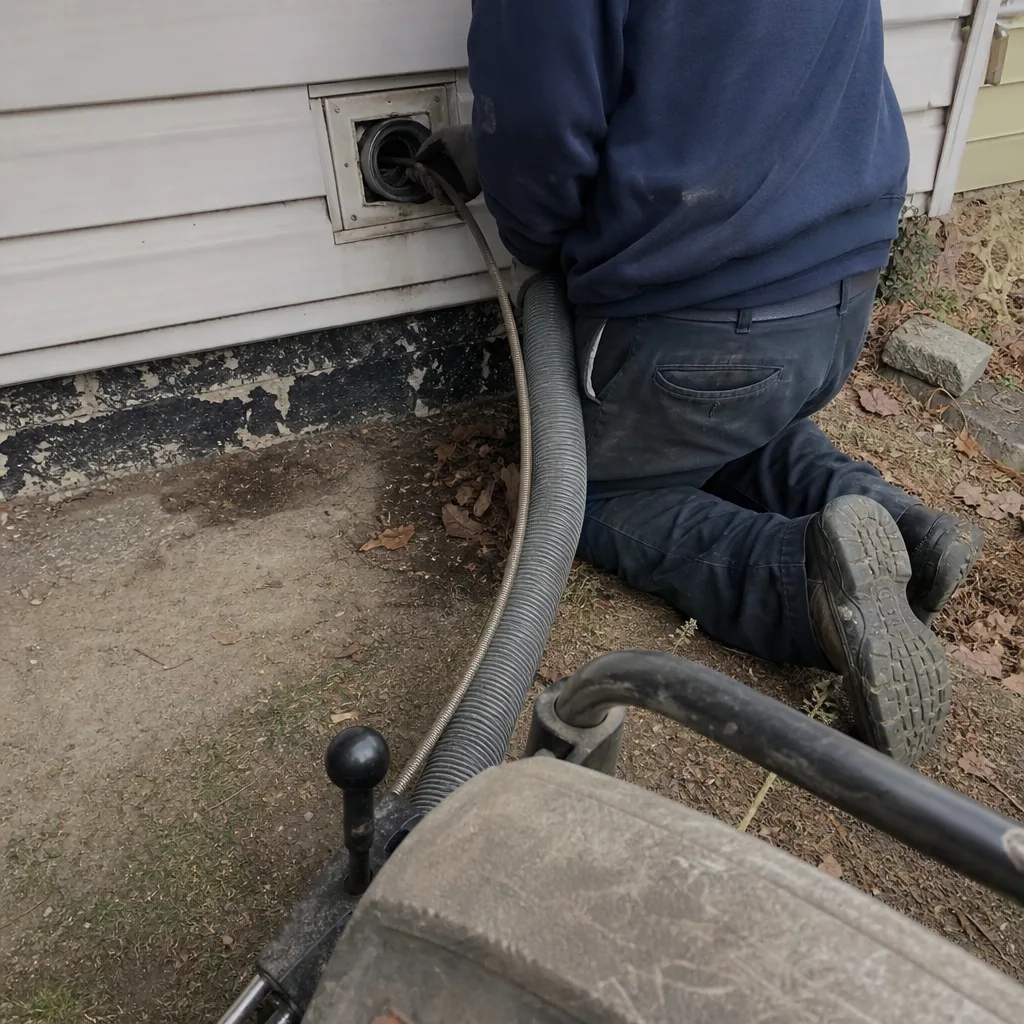 Before
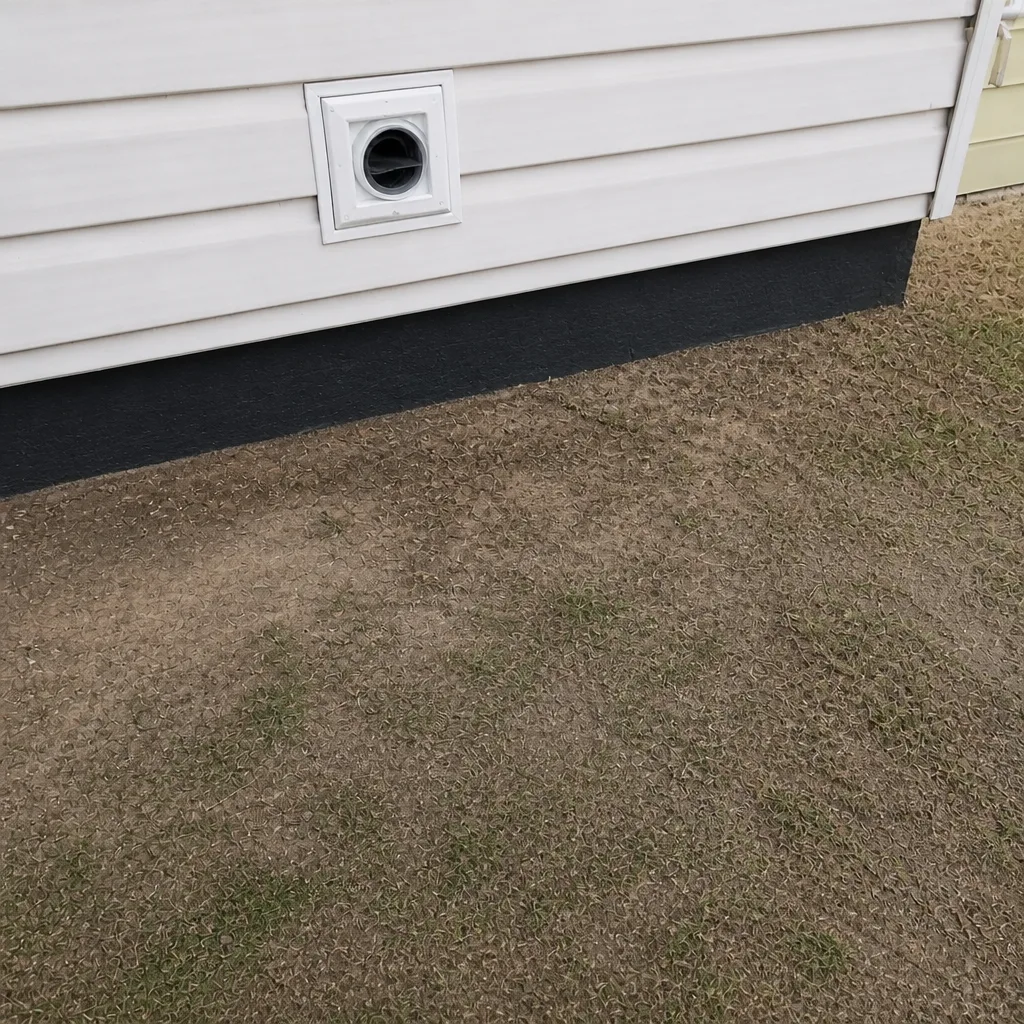 After
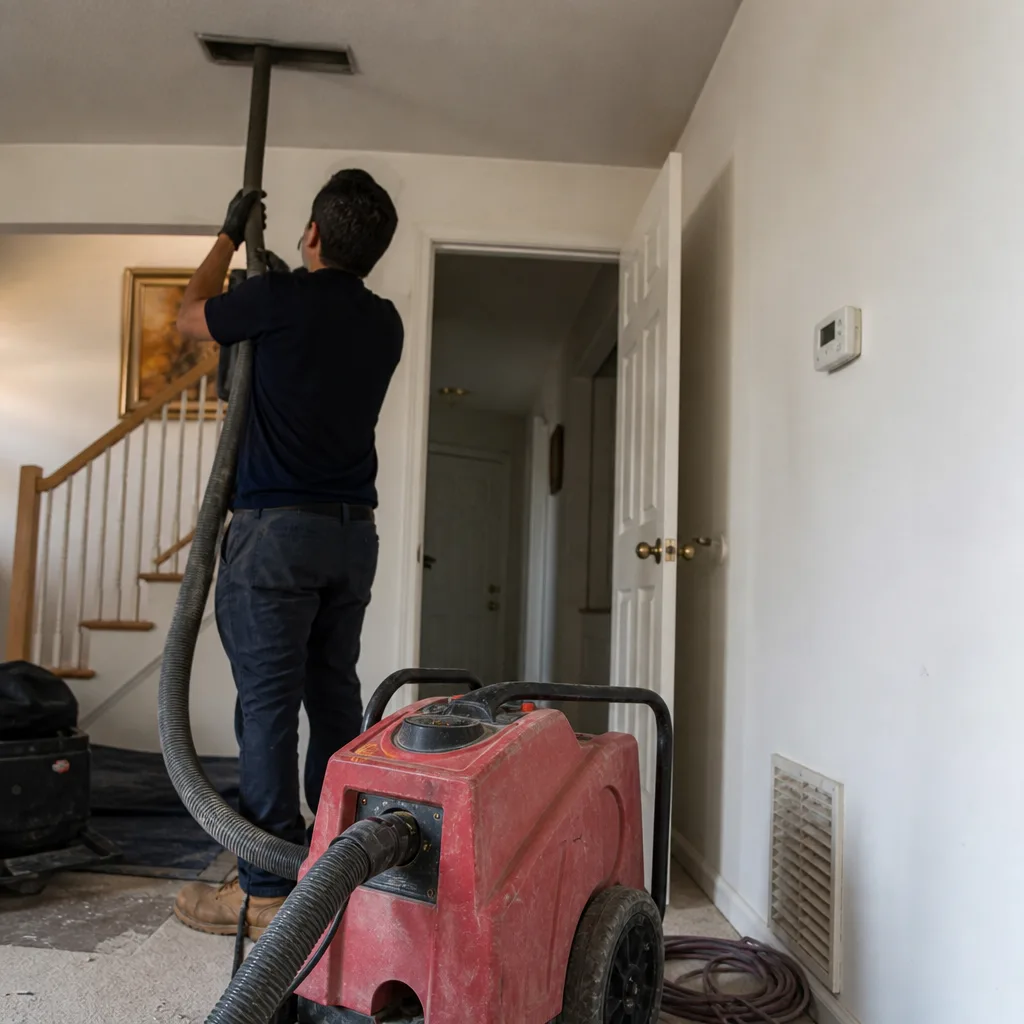 Before
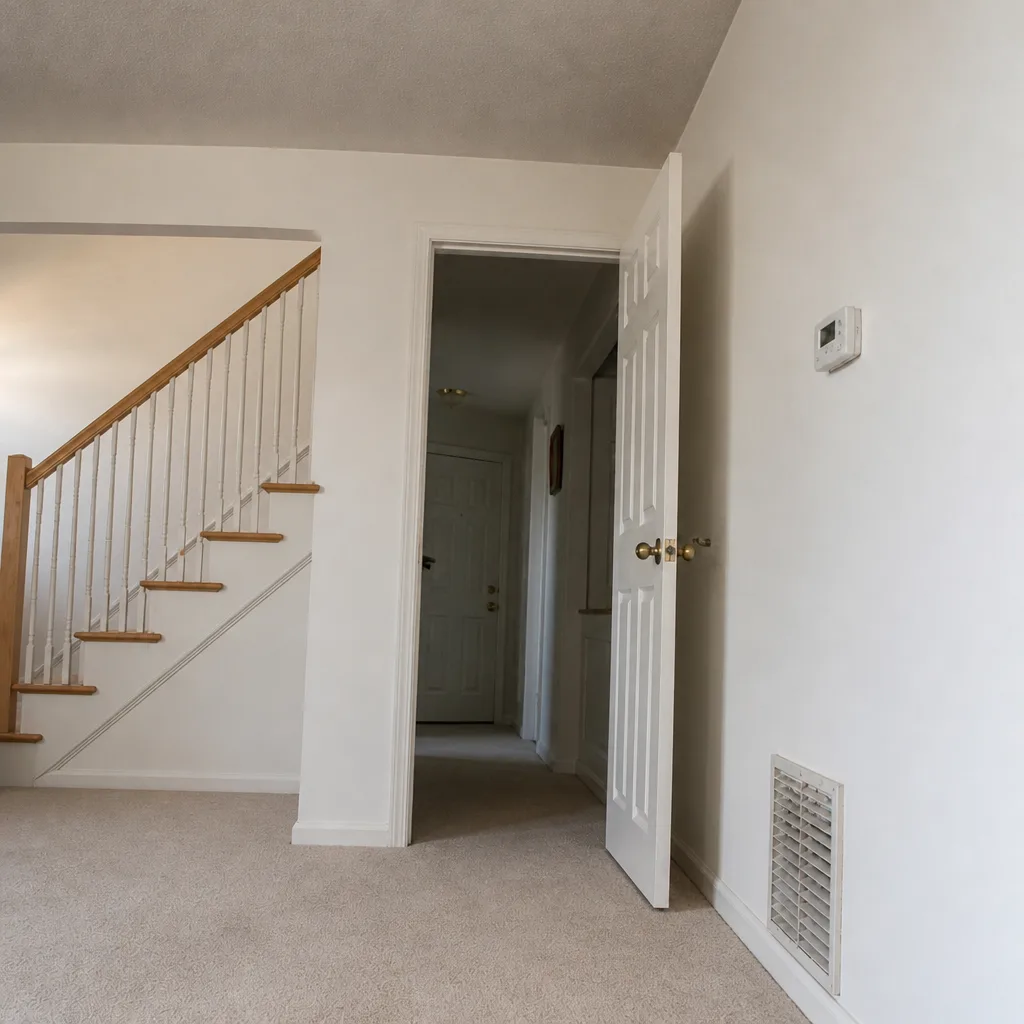 After
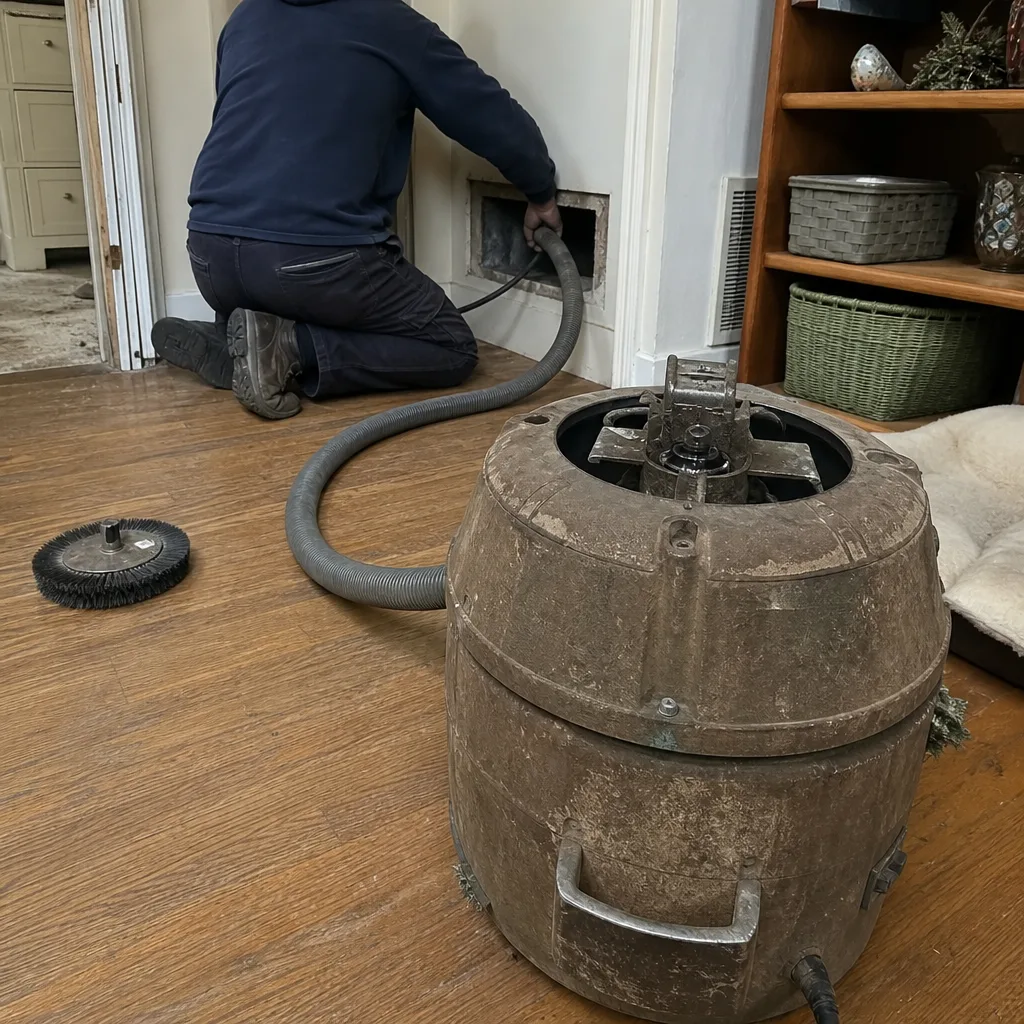 Before
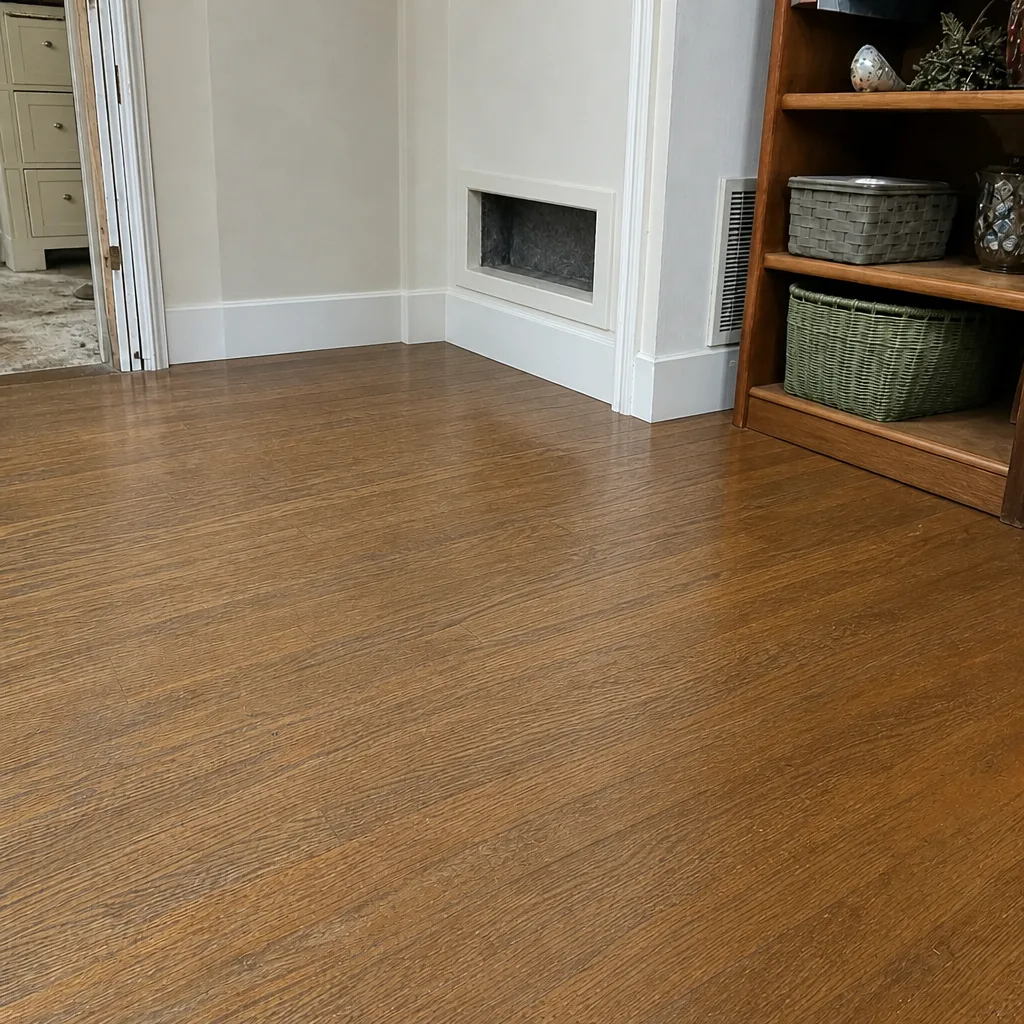 After
When to Call a Professional
Call a duct professional immediately after a fire or smoke event, after any flood that reached HVAC equipment or ductwork, and after a full renovation where the system ran during heavy dust phases. Call sooner, not later, if you smell smoke or moisture through the registers, if visible soot or dust is coming out of supply vents, if the house has a persistent “musty” smell after a water event, or if an insurer has asked you for duct documentation. Emergency duct work is not a DIY project: the risks are respiratory, electrical (in flood cases), and fire-related, and the documentation side has to be done right. Air Duct Cleaning Fox Chase offers free estimates in Fox Chase. Call (844) 625-7003. We answer 24/7. A call outside dispatch hours is booked into the next opening, Sunday through Friday, 7am to 7pm. Fast dispatch from 7am to 7pm.
Frequently Asked Questions
It depends on whether the fire produced smoke beyond the room of origin. Any smoke event that spread through the house is worth an assessment, because the duct system carries particles smaller than 2.5 microns that continue to off-gas if untreated. A professional scope inspection answers the question definitively, and it’s cheaper than guessing. Call (844) 625-7003 to schedule one.
Usually not the same way a duct specialist can. HVAC contractors service equipment; duct remediation requires rotary brush and HEPA equipment and remediation-level sanitizing tools. Some HVAC contractors subcontract this work out, which is fine, but ask what equipment will actually be used inside the ducts before you agree. Call (844) 625-7003 for a direct assessment.
That depends on your specific policy and the cause of loss, and it’s a question for your adjuster. What we can do is produce the documentation most claims need: interior duct photos, a written assessment report with the observed contamination and specified equipment, and before-and-after photos of the cleaning. Having that file ready is the biggest factor in a smooth claim. Call (844) 625-7003 to get the documentation started.
Longer than standard duct cleaning, because the scope includes the air handler and coil and ends with sanitizing and verification. Some jobs are done in a day; others span more than one because of drying time after a flood or because duct repairs are uncovered mid-job. The written estimate sets the expected scope and duration for your specific system. Call (844) 625-7003 for a free estimate.
It’s a slow one, and it’s real. Drywall dust particles are small enough to pass standard furnace filters and abrasive enough to wear blower motor windings. If your HVAC ran during demo or sanding, have the ducts inspected before the next heating or cooling season. Call (844) 625-7003 to schedule the inspection.
Dry-looking ducts can still be damp inside, especially in sections that pass through cool basement space. Moisture reads with a meter, not with your hand. Flood jobs should always include moisture readings at multiple duct sections before anyone decides the system is fine. Call (844) 625-7003 to book an assessment.
The Bottom Line
Duct systems are invisible until an emergency makes them a problem. After a fire, the off-gassing is what makes a house smell wrong months later. After a flood, moisture inside ductwork feeds mold out of sight. After a renovation, dust coats the blower and coil and shortens equipment life. The one thing all three have in common: running the HVAC before assessment makes it worse. Turn the system off, call a professional for a proper assessment, and get the documentation your insurer needs. Contractor-grade equipment, a written scope per job, and full lifecycle service from cleaning through repair and filtration mean one call covers it.
Call (844) 625-7003 for a free estimate. We answer 24/7. Fast dispatch from 7am to 7pm, Sunday through Friday.
Written by the team at Air Duct Cleaning Fox Chase.