
Last updated November 24, 2026
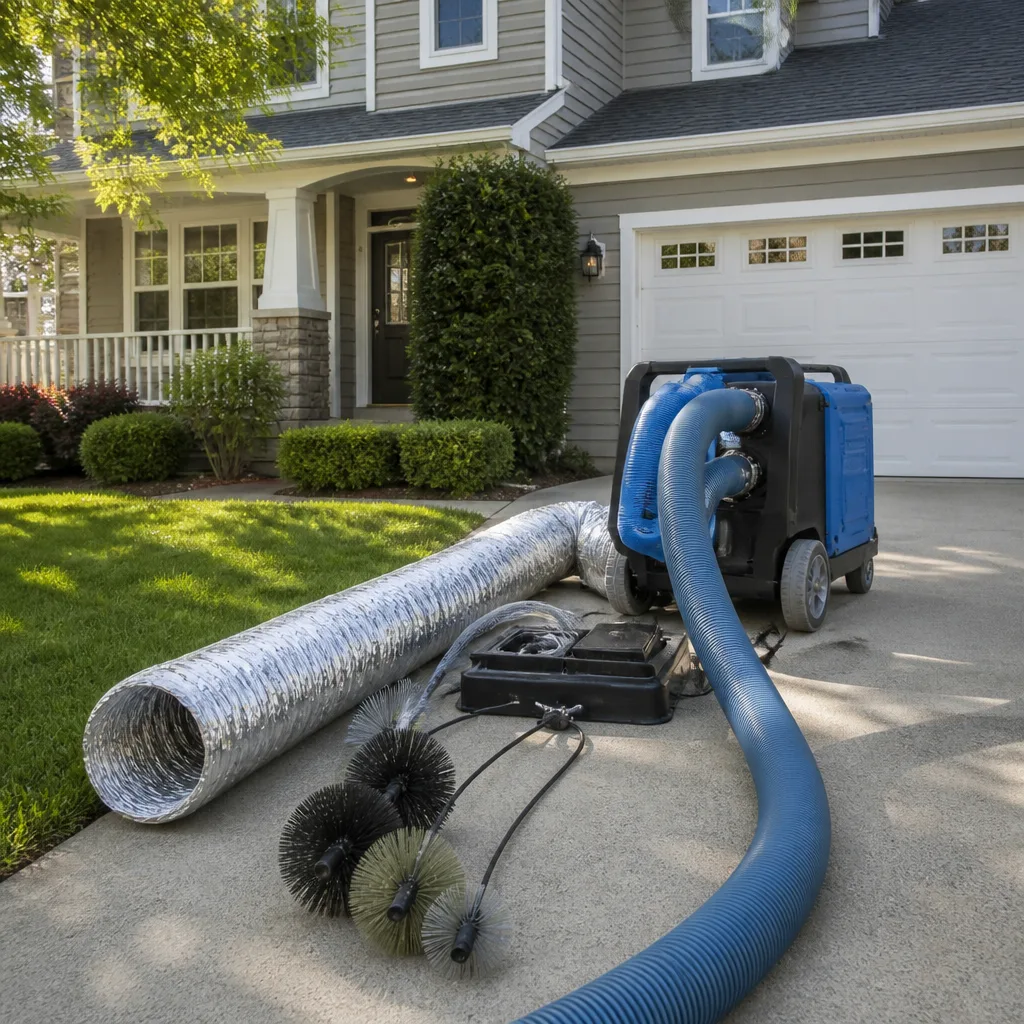 Whole-home duct cleaning
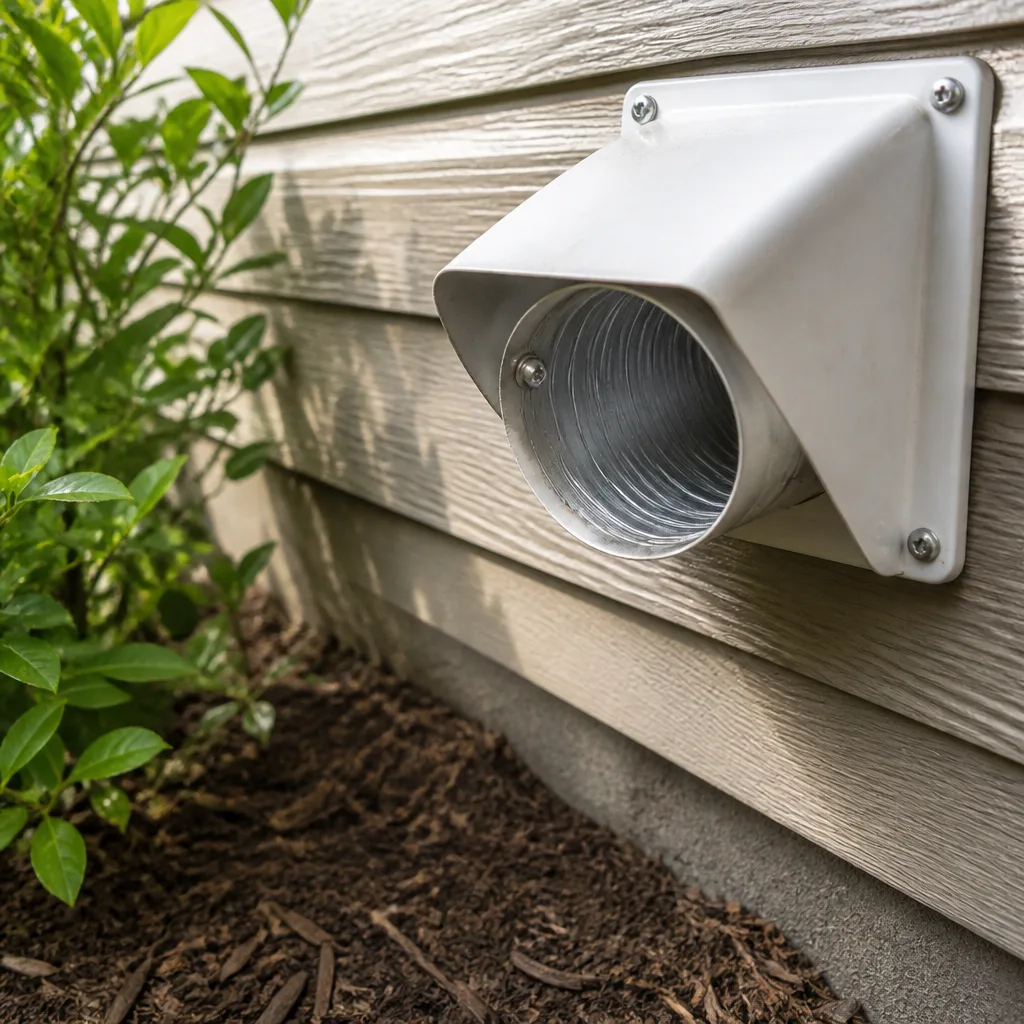 Dryer vent cleaning
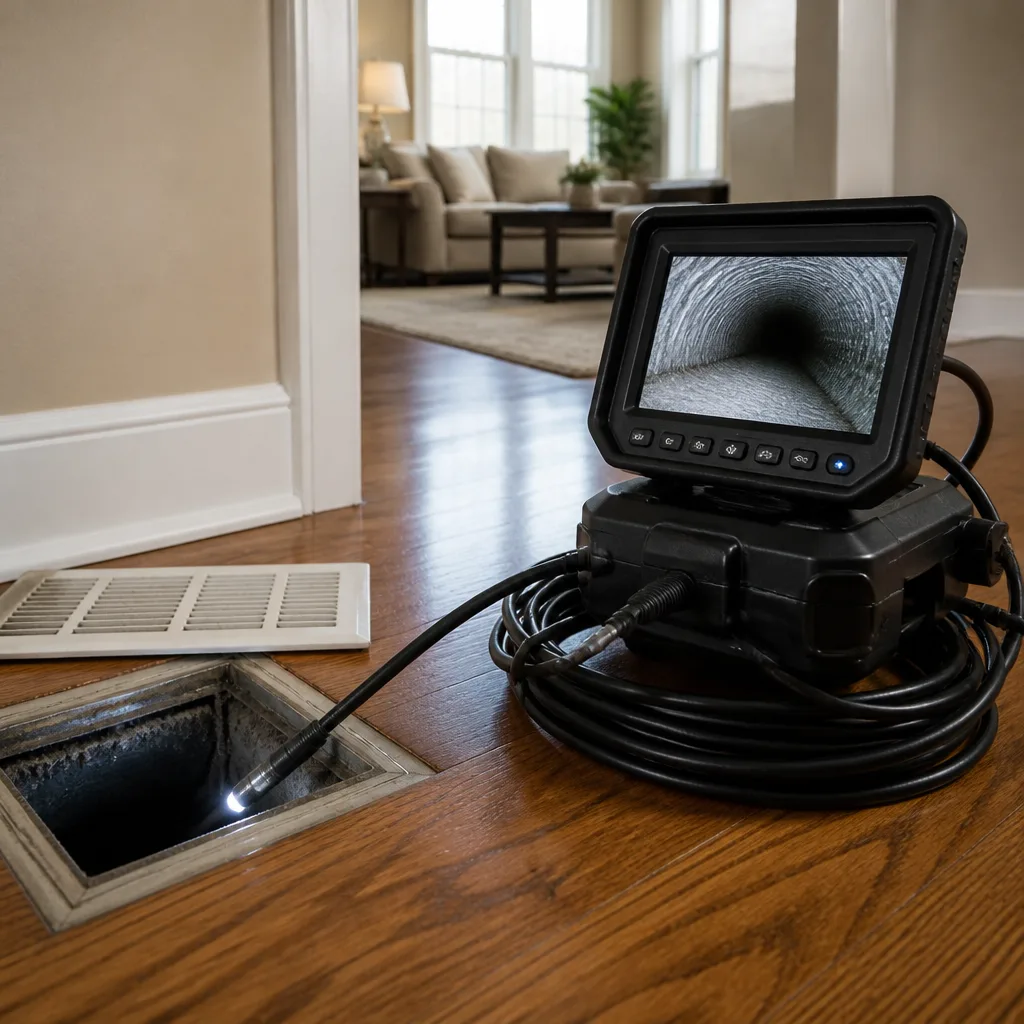 Camera inspection
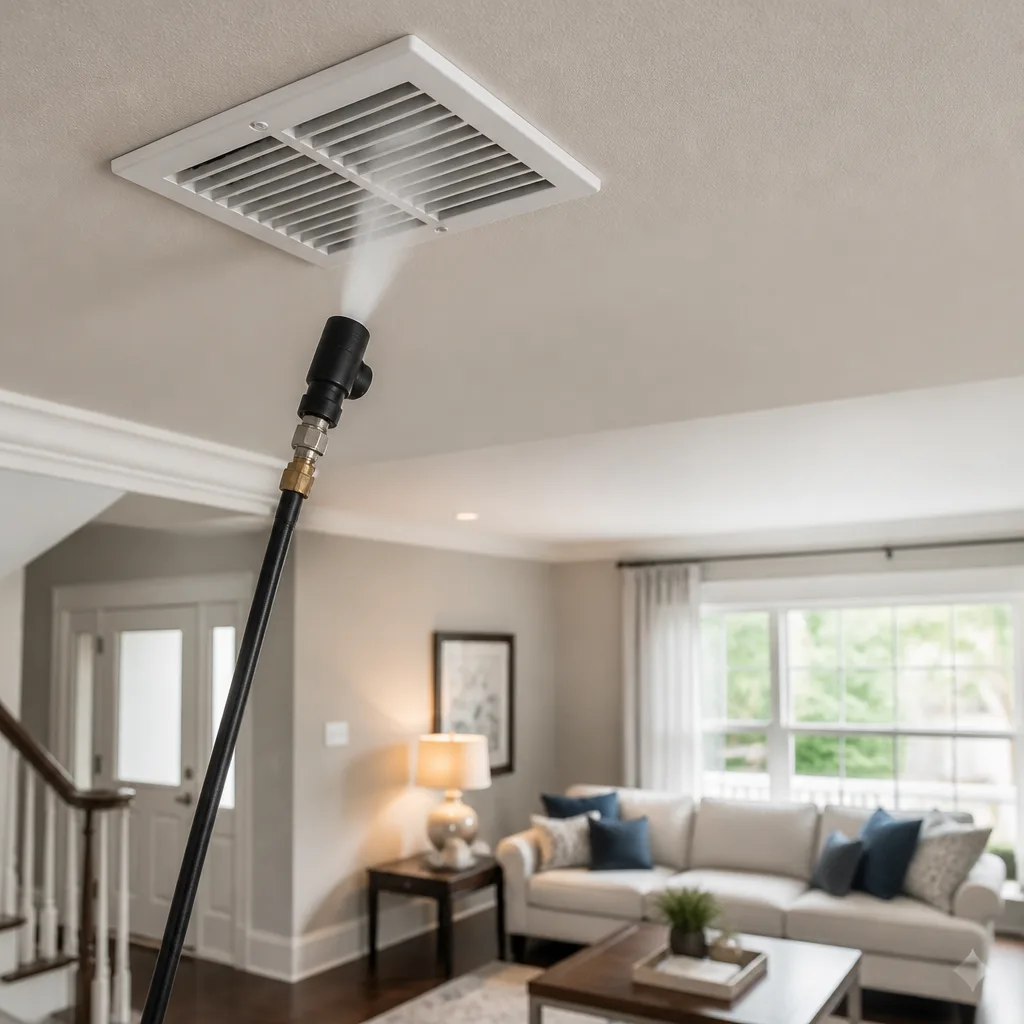 Sanitizing & deodorizing
Whole-system duct and dryer vent check with before-and-after photos - you see exactly what came out of your vents
That "$99 whole-house special" is a bait ad - the real number appears once they are in your hallway, or the "clean" is a shop-vac at the register. We photograph the inside of your ducts before and after instead.
Seasonal Air Duct Cleaning Care for Fox Chase: Year-Round Homeowner’s Guide
Most homeowners treat air duct cleaning like an oil change on a calendar: pick a month, do it once, forget it. That misses the point. The contamination load in your ducts doesn’t reset on a schedule. It builds differently in each season, driven by what’s happening outside your Fox Chase home and how hard your HVAC system is working inside it. A house on a tree-lined block near Pennypack Park collects different debris through the fall than a rowhouse facing an open lot, and both behave differently from a home where the basement stays damp all summer. In this guide we’ll walk through the four seasonal stress conditions that actually matter, how each one loads up your ductwork, and how to build a cleaning calendar around your own system’s use pattern instead of an industry average that may not fit your home at all.
Quick Answer
Air duct cleaning in Fox Chase is best timed around the seasons that load your ducts the most, and for most homes here that’s late spring (after pollen season) and fall (after leaf drop). Summer and winter bring their own risks – humidity-driven growth in unconditioned spaces and dust redistribution from dry forced-air heat – but they’re the seasons for inspection and maintenance, not always for a full cleaning. Build your calendar around how your family runs the system, not a generic once-a-year rule.
Styles & brands we work with
- Whole-home duct cleaning
- Dryer vent cleaning
- Camera inspection
- Sanitizing & deodorizing
Table of Contents
- Why a Seasonal Calendar Beats a Once-a-Year Rule
- Spring: Why Post-Pollen Season Is the Highest-Impact Cleaning Window
- Summer: Humidity, Duct Leaks, and Growth in Unconditioned Spaces
- Fall: Leaf Debris and Rodent Activity at Exterior Duct Penetrations
- Winter: Dry Forced-Air Heat and the Filter Performance Drop
- How to Build a Seasonal Duct Calendar Around Your HVAC Use Pattern
- Signs Your Ducts Need Attention Between Scheduled Cleanings
- Common Mistakes to Avoid
- When to Call a Professional
Why a Seasonal Calendar Beats a Once-a-Year Rule
A single annual cleaning isn’t wrong so much as arbitrary. If your cleaning lands in February, you’ve just removed a mild winter load right before the two heaviest contamination seasons hit. If it lands in June, you clear the spring pollen just as the humid months begin. The timing changes what you actually accomplish.
Fox Chase sits in a part of the Philadelphia region with four sharply defined seasons. The neighborhood’s older housing stock – many homes here date back decades and were built with duct systems that were retrofitted rather than designed from scratch – means the ductwork often has seams, transitions, and branch runs that collect debris in specific pockets. Tree coverage around Fox Chase is substantial, and the neighborhood’s many mature trees directly influence what ends up in exterior duct penetrations and near return grilles.
Here’s the principle to take away: your HVAC system has a duty cycle, and your ducts load up in proportion to how hard that system runs and what it’s pulling in from outside. Clean based on load, not the calendar. Then adjust the calendar to match the load. A few things make this easier to think about:
- Heating season and cooling season stress different parts of the system.
- Pollen, leaf debris, and humid air each enter through different pathways.
- Filter performance changes dramatically between seasons, and that change is measurable at the filter itself.
- Homes near heavy tree canopy – a defining reality in Fox Chase – load exterior penetrations faster than homes on open blocks.
Once you see the four seasons as four distinct loading phases, the cleaning schedule starts to write itself.
Spring: Why Post-Pollen Season Is the Highest-Impact Cleaning Window
For most Fox Chase homes, late spring – after the pollen peak has passed but before the heavy cooling season – is the single best window for a full duct cleaning. It’s the season when the system has pulled in months of airborne particulate and hasn’t yet started running hard for air conditioning.
The Philadelphia region has a pronounced spring pollen season. Tree pollen leads, followed by grass pollen, and both find their way into your return air. Fine pollen particles move easily through filters that are past their prime, and once inside the duct system they settle on interior surfaces where they accumulate into a fine, sticky layer. That layer is what a rotary brush is designed to remove. A shop-vac-and-wand approach mostly pushes surface debris around; an air duct cleaning performed with contractor-grade rotary equipment actually scrubs the duct interior.
Timing matters for a specific reason: if you clean in early spring, you’re cleaning the current year’s pollen off and then re-loading immediately. If you clean in late spring after the peak, you’re clearing the accumulated build-up and setting up a cleaner run through summer cooling season.
What a spring cleaning should include:
- Inspection of supply and return runs, with photos of conditions before work starts.
- Rotary brush agitation of the duct interior, performed with equipment like the Rotobrush line that professional HVAC technicians use.
- High-efficiency vacuum collection through HEPA-rated equipment (Nikro units in the professional range) to capture dislodged debris rather than redistribute it.
- A filter check and, if needed, replacement. Spring is a good moment to think about filter upgrades.
- A look at the air handler and evaporator coil housing, since pollen accumulations there can affect airflow.
Spring is also the right season to look at filtration upgrades. Honeywell and Aprilaire products can extend a cleaning’s benefit significantly by capturing fine particulate before it settles in the ducts. That’s a decision to make after cleaning, not instead of it.
Summer: Humidity, Duct Leaks, and Growth in Unconditioned Spaces
Summer is where duct sealing matters most. In Fox Chase, as across the Philadelphia region, summer humidity is a real load on the house. When ducts run through unconditioned spaces – attics, crawlspaces, basements that don’t get dehumidified – leaks and gaps become humidity pathways. Cold conditioned air leaking into warm, humid air creates condensation. That condensation wets duct surfaces, and wet surfaces in a dark unconditioned space create exactly the conditions biological growth needs.
This is why we treat Duct Repair & Sealing as core work, not a follow-up service. Sealing the leaks doesn’t just stop conditioned air from escaping; it also closes off the pathway that lets humid summer air touch cold duct surfaces in the first place. Cleaning without sealing only addresses the contamination that’s already there. Sealing addresses the mechanism that keeps creating it.
What to do in summer:
- Inspect accessible joints, transitions, and take-offs for gaps and disconnected runs.
- Check duct insulation in unconditioned spaces; damaged insulation allows condensation to form.
- Confirm the filter is appropriately sized and clean. A dirty filter in summer strains the blower and worsens the pressure imbalance that drives air through leaks.
- Look for visible moisture, staining, or surface growth on duct exteriors in unconditioned spaces.
- Consider a sanitizing pass on systems with confirmed growth, using Abatement Technologies equipment designed for remediation work.
Summer cleaning windows are typically shorter than spring or fall because the system runs continuously. Homeowners often use summer for the structural side – sealing and inspection – and defer full cleaning to the fall window. Both approaches work. What doesn’t work is ignoring the leak. A sealed system with a small amount of accumulated dust is far less of a problem than a leaky system with heavy dust load. We seal what we find, and that’s a different posture than a discount operation that cleans and leaves.
Fall: Leaf Debris and Rodent Activity at Exterior Duct Penetrations
Fall is the second major loading season in Fox Chase, and it’s the one homeowners most often underestimate. Leaf debris is obvious on the lawn. What’s less obvious is how much it reaches your ductwork.
Exterior duct penetrations – points where ductwork or HVAC lines pass through the building envelope – are the entry points that matter. Fox Chase’s tree-lined streets mean large volumes of leaf litter, seeds, and small twigs near the house every fall. Critters follow the debris. Small rodents in particular find exterior penetrations attractive as shelter when temperatures drop. Disconnected or damaged duct runs in crawlspaces and attics become access points, and once inside, they leave droppings, nesting material, and fur that enter the duct system and the respiratory air stream.
Signs that fall is a concern in your specific home:
- Scratching or rustling sounds from walls, attic, or crawlspace.
- Droppings or nesting material visible near HVAC equipment or duct penetrations.
- Chewing damage to flex duct or duct insulation.
- Debris visible at exterior vents or crawlspace openings.
- Slight musty or animal odor noticeable at supply grilles.
If any of those are present, a straightforward cleaning isn’t enough. That’s an abatement scenario. Abatement Technologies air-quality equipment is the appropriate tool set for jobs involving animal-related contaminants, because remediation-level sanitizing goes beyond standard cleaning. We handle those jobs with the equipment the work actually requires, and we seal the penetration afterward so the same problem doesn’t return next fall.
For homes without animal activity, fall cleaning after leaf drop clears the season’s outdoor load and prepares the system for the heating months ahead. It’s a common sense target for a full cleaning in Fox Chase.
Winter: Dry Forced-Air Heat and the Filter Performance Drop
Winter changes the mechanism, not the risk. Heating season in Fox Chase means the system runs longer and pulls indoor air through the returns more frequently. That dry, heated forced air redistributes settled dust more aggressively than summer air does. Surfaces that stayed clean through the fall will show a dust bloom by January. Some of that is domestic dust, but a meaningful portion is duct debris being picked up and re-deposited into the living space.
Filter performance is the key variable in winter, and it drops for a specific reason. The heating cycle moves more cubic feet of air through the filter than the cooling cycle often does, and the filter loads more quickly as a result. A filter that was fine in October can be heavily loaded by December. When the filter is loaded, the system’s pressure balance shifts. Airflow through the filter drops, static pressure rises, and the system starts pulling air from anywhere else it can – including gaps in the ductwork and around the air handler.
Winter tasks that make a difference:
- Check the filter at the start of heating season and monthly during the heavy months.
- Consider upgrading filtration. Honeywell and Aprilaire filter systems give better capture than a standard 1-inch panel filter in a heating season with heavier demand.
- Look at the supply grilles in the rooms you use most. Visible dust trails on registers are a sign of ongoing recontamination.
- Confirm humidity levels. Very dry winter air accelerates dust circulation; a whole-home humidifier option is worth discussing if dryness is chronic.
- Listen for unusual airflow noise at returns, which can indicate a dirty filter or an obstruction in the return path.
Winter isn’t usually the season for full duct cleaning. It’s the season for filter discipline and humidity management. Those reduce the load the cleaning will need to solve in spring.
How to Build a Seasonal Duct Calendar Around Your HVAC Use Pattern
Generic calendars fail because they ignore the two things that actually drive duct loading: system run time and outside load. To build a calendar around your Fox Chase home, start with those.
Work through this:
- Track your filter changes. Note the date and how loaded the filter looks each time you change it. If a filter loads in 30 days in heating season, your system is doing heavy work and ducts will load faster.
- Note when system run time is highest. If your cooling season is long and intense, summer cleaning and sealing become more important. If heating season dominates, winter filter changes and a late-fall cleaning matter more.
- Note outside load by season. Homes near heavy tree canopy in Fox Chase see heavier fall loading. Homes near open ground see heavier spring pollen loading.
- Identify the two target cleaning windows. For most homes, that’s late spring (after pollen) and fall (after leaf drop). One of those is typically the “full cleaning” window and the other is the “check and maintenance” window.
- Schedule sealing work in the shoulder season. Summer is a good season for sealing work even if cleaning is deferred, because that’s when the humidity problem is active.
- After cleaning, plan the filtration upgrade. This is the step that makes the next cleaning window last longer. Honeywell and Aprilaire options can be matched to your system and your household.
For a full scope of services across all five service categories – air duct cleaning, dryer vent cleaning, HVAC cleaning, duct repair and sealing, and air quality and sanitizing – one call covers it. That saves coordinating three vendors for work that fits together as a single system health plan. Air Duct Cleaning Fox Chase handles the full lifecycle so the plan doesn’t fall apart between vendors.
Signs Your Ducts Need Attention Between Scheduled Cleanings
Seasonal scheduling handles the baseline. The following signs mean something has changed and the schedule should move up:
- Visible dust trails from supply registers within days of cleaning.
- A musty or stale odor noticeable the moment the system starts.
- Increased allergy or respiratory symptoms in household members when the system is running.
- Unexplained higher energy bills that don’t match the season.
- Noise or rattling from ducts that wasn’t there before.
- Visible debris at return grilles or in the register boxes.
- Any suspicion of animal activity near exterior penetrations.
For the dryer vent side of the house, treat lint buildup as its own schedule. Dryer vent cleaning addresses a leading cause of residential fires, and it should be checked independently of your duct calendar. Dryer vent cleaning is one of the five service categories here because it belongs in the same home air-quality conversation, not because it’s an afterthought.
See the difference
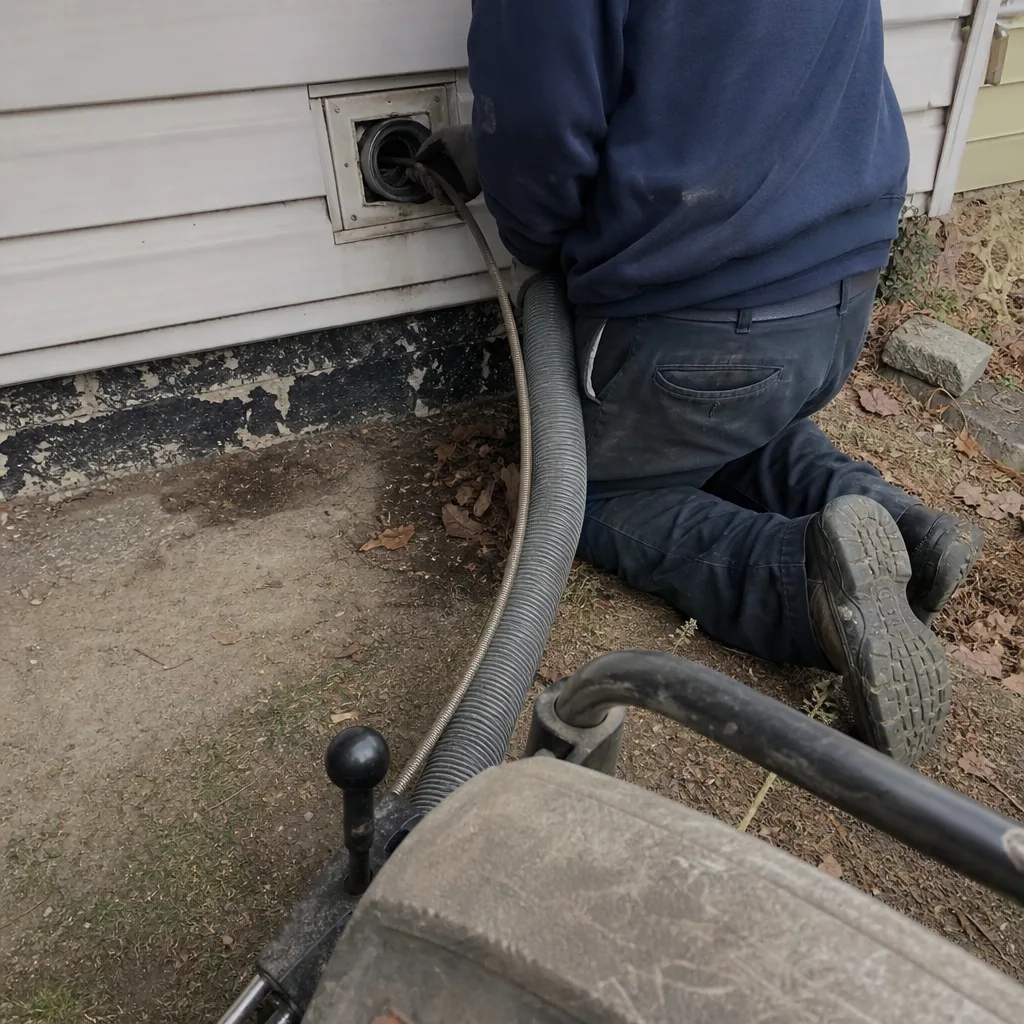 Before
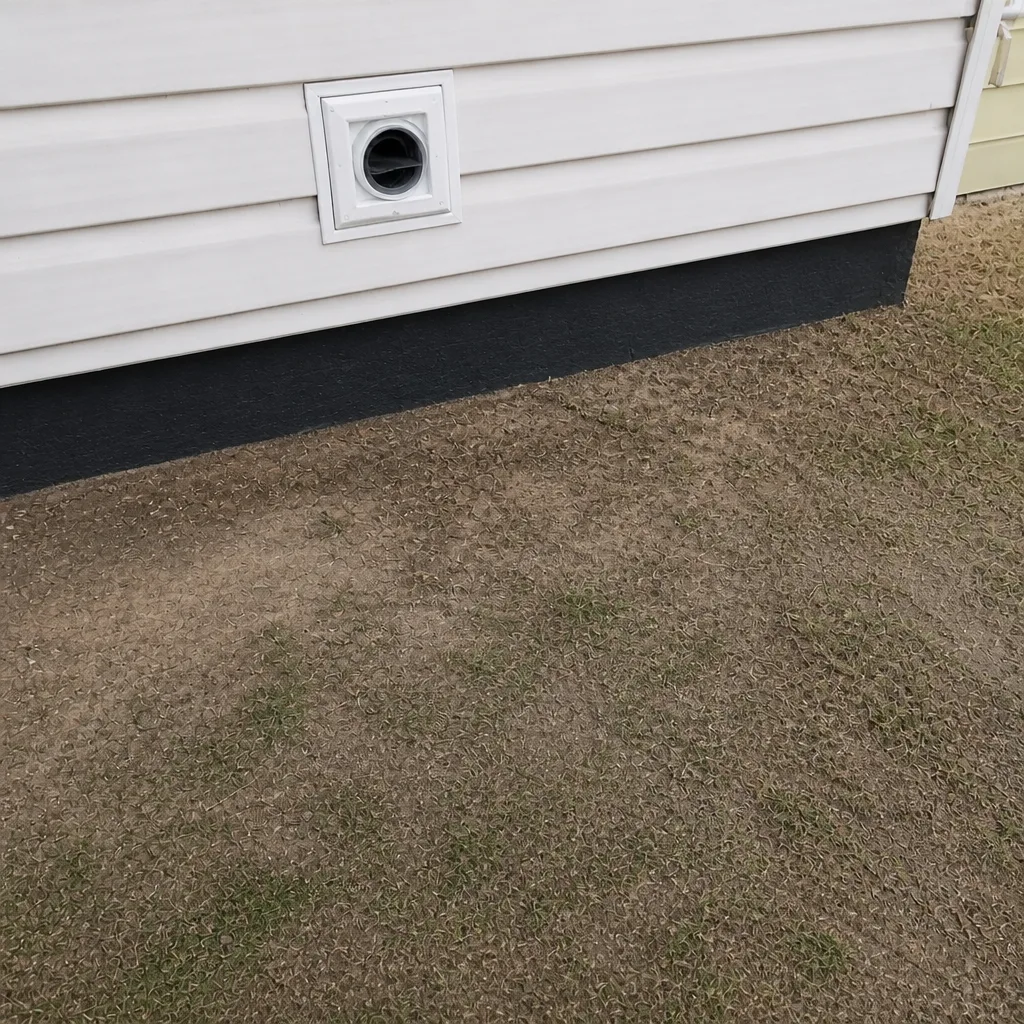 After
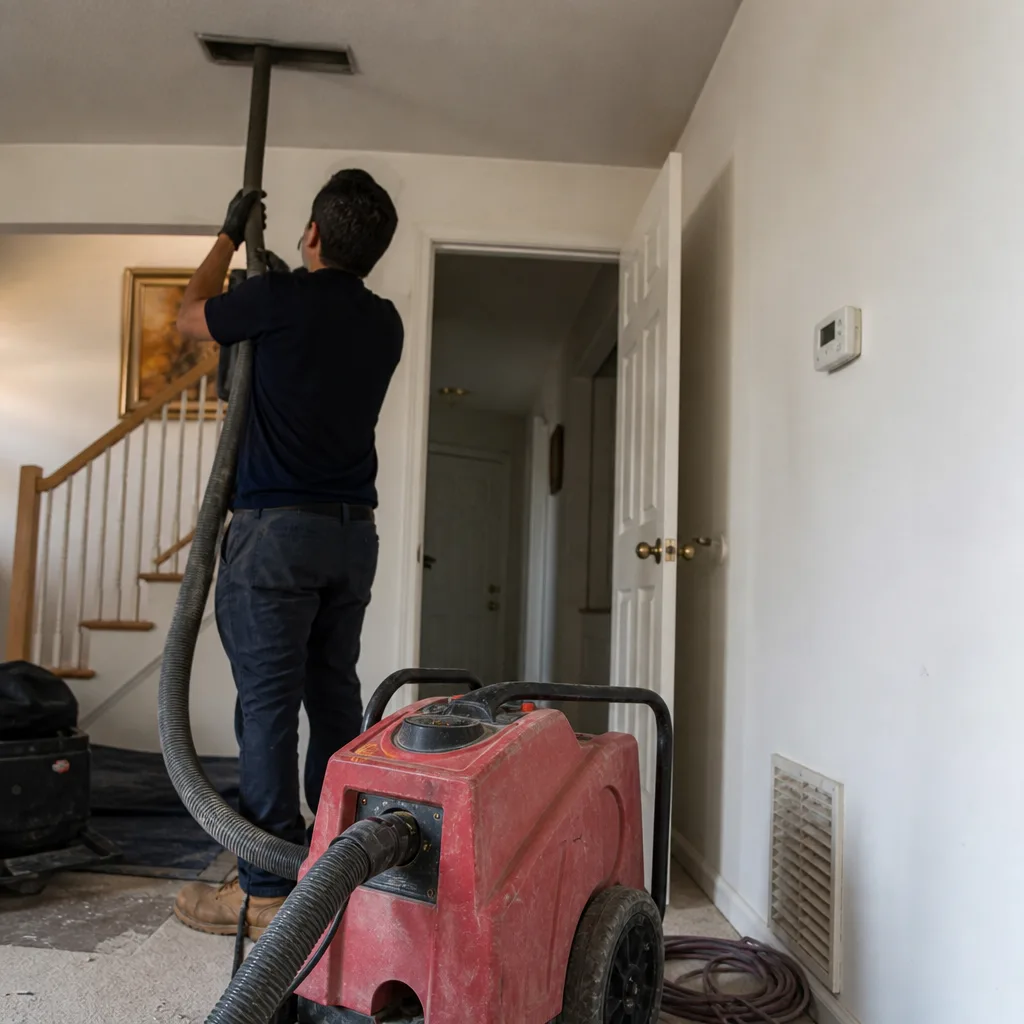 Before
 After
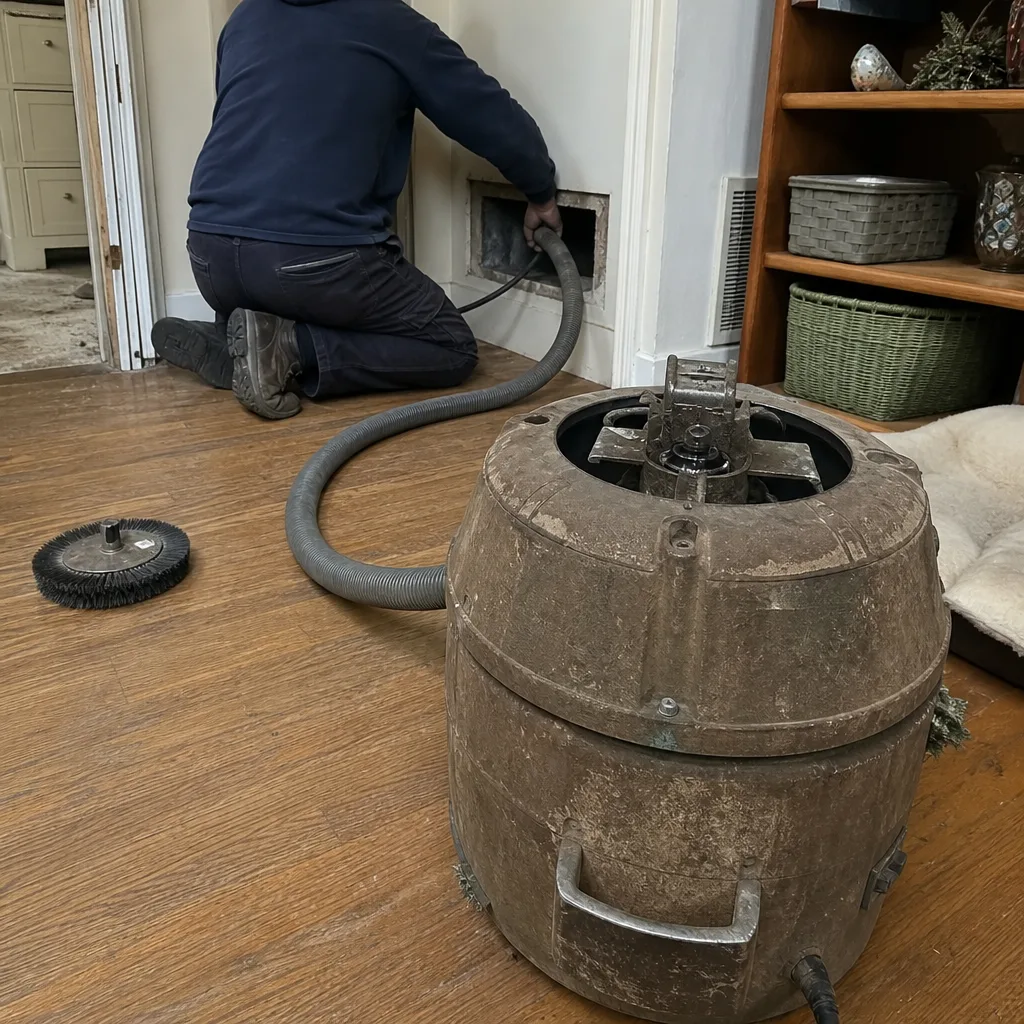 Before
 After
Common Mistakes to Avoid
- Cleaning in the wrong season. A February cleaning clears a mild winter load right before the two heaviest seasons begin. Aim for late spring or fall.
- Cleaning without sealing. If the ducts leak, contamination returns to the same places. Cleaning without sealing is a partial fix at best.
- Assuming a cheap quote is a bargain. Low-cost crews often use shop-vac-grade equipment that disturbs surface dust without capturing the fine fraction. Contractor-grade rotary and HEPA-rated vacuum systems cost more to operate for a reason.
- Treating the duct system as a separate item from the air handler. A dirty air handler or coil with clean ducts is half the job. HVAC cleaning and duct cleaning belong together.
- Skipping filter checks between cleanings. A loaded filter changes the system’s pressure balance and drives air through the leaks.
- Ignoring fall leaf debris and animal activity. In Fox Chase’s tree-lined neighborhoods, exterior penetrations load up every fall. Check them.
- Accepting a cleaning with no before-and-after documentation. Without photos of your own ducts, there’s no way to confirm the work was actually done.
When to Call a Professional
Some duct conditions need equipment and training a homeowner can’t reasonably replicate. Call a professional if you’ve found animal activity near exterior penetrations, if there’s visible moisture or surface growth in unconditioned spaces, if your system’s airflow has dropped noticeably without an obvious filter cause, if you’ve moved into a home and don’t know the duct history, or if the last cleaning happened before you arrived. Also call if your own attempt at the register grilles and returns revealed heavy accumulation deeper in the system than a vacuum can reach. Our technicians have up to 14 years of experience, and every job starts with a written scope and before-and-after photos of your own ducts. Air Duct Cleaning Fox Chase offers free estimates in Fox Chase – call (844) 625-7003.
Frequently Asked Questions
For most homes here, a full cleaning every two to three years is realistic, with late spring or fall being the better seasons. Homes near heavy tree canopy or with pets or allergy sufferers may need more frequent work. Filter changes matter more often than cleaning does – check monthly during heating and cooling peaks.
For most homes in this region, yes. Cleaning after the pollen peak removes the season’s accumulation before summer cooling season starts. It also sets up a cleaner summer, when humidity-driven growth is the bigger concern. Fall is the other high-value window.
Cleaning removes contamination that’s already in the ducts. Sealing closes the leaks that let humid summer air touch cold duct surfaces, which is what drives growth in unconditioned spaces. Sealing prevents recurrence; cleaning alone doesn’t. We treat the two as one job.
Sometimes. Visible dust trails from registers, a musty smell at startup, or increased allergy symptoms during system run time are all credible signals. For serious signs – animal activity, moisture, surface growth – a professional inspection is worth the call because those situations need remediation-level equipment, not a shop vac.
Fall loading at exterior duct penetrations. Heavy leaf debris creates harborage near those openings, and small rodents follow it. That’s why duct repair and sealing plus full sanitizing are core services here, and why fall is the season to inspect exterior penetrations closely.
Yes. Rotobrush rotary brush systems and Nikro professional vacuum equipment are what HVAC technicians use for duct interiors. Abatement Technologies equipment is the standard for remediation-level jobs like animal-related contamination. A shop-vac approach is a different category of work with a different result.
The Bottom Line
Your ducts load up in four distinct patterns across the year, and a single annual cleaning ignores all four. Spring pollen, summer humidity in unconditioned spaces, fall leaf debris and rodent pressure at exterior penetrations, and winter dust redistribution from dry forced-air heat each create a different problem calling for a different response. Build your calendar around your own system’s run time and filter load, not an average. Schedule full cleaning after pollen and after leaf drop, use summer for sealing and inspection, and use winter for filter discipline and humidity control. When something looks beyond DIY level, call a professional who uses Rotobrush, Nikro, and Abatement Technologies equipment and provides written scope and photographic proof of work. Call (844) 625-7003 for a free estimate. We answer 24/7. Fast dispatch from 7am to 7pm, Sunday through Friday.
Written by the team at Air Duct Cleaning Fox Chase.