
Last updated November 24, 2026
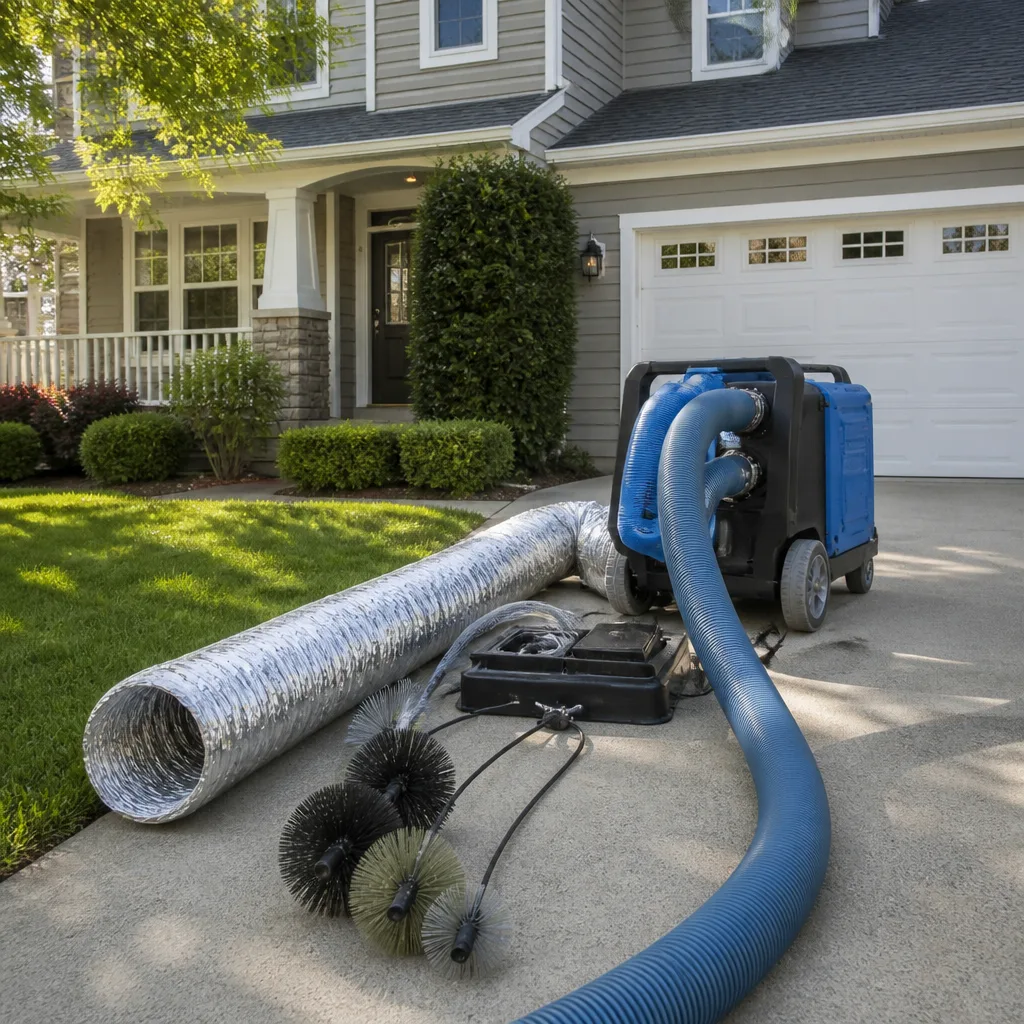 Whole-home duct cleaning
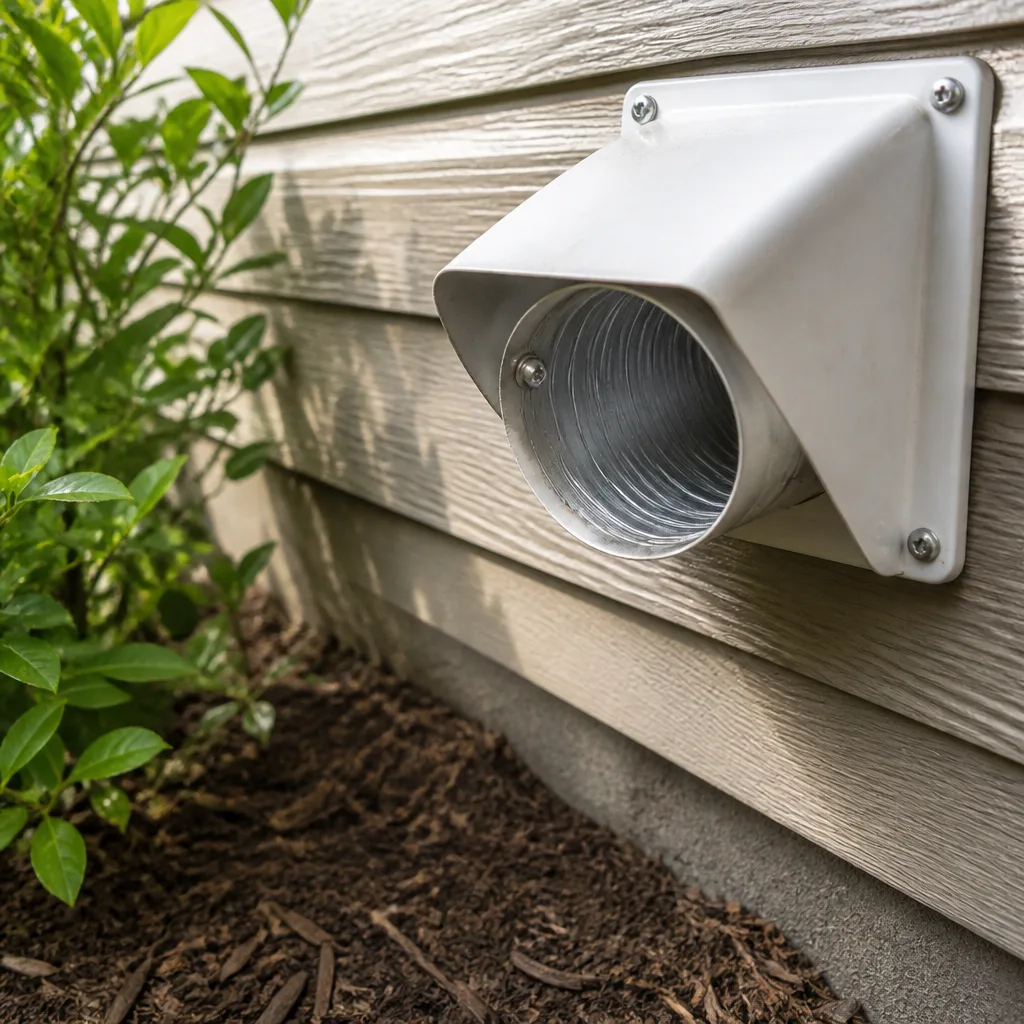 Dryer vent cleaning
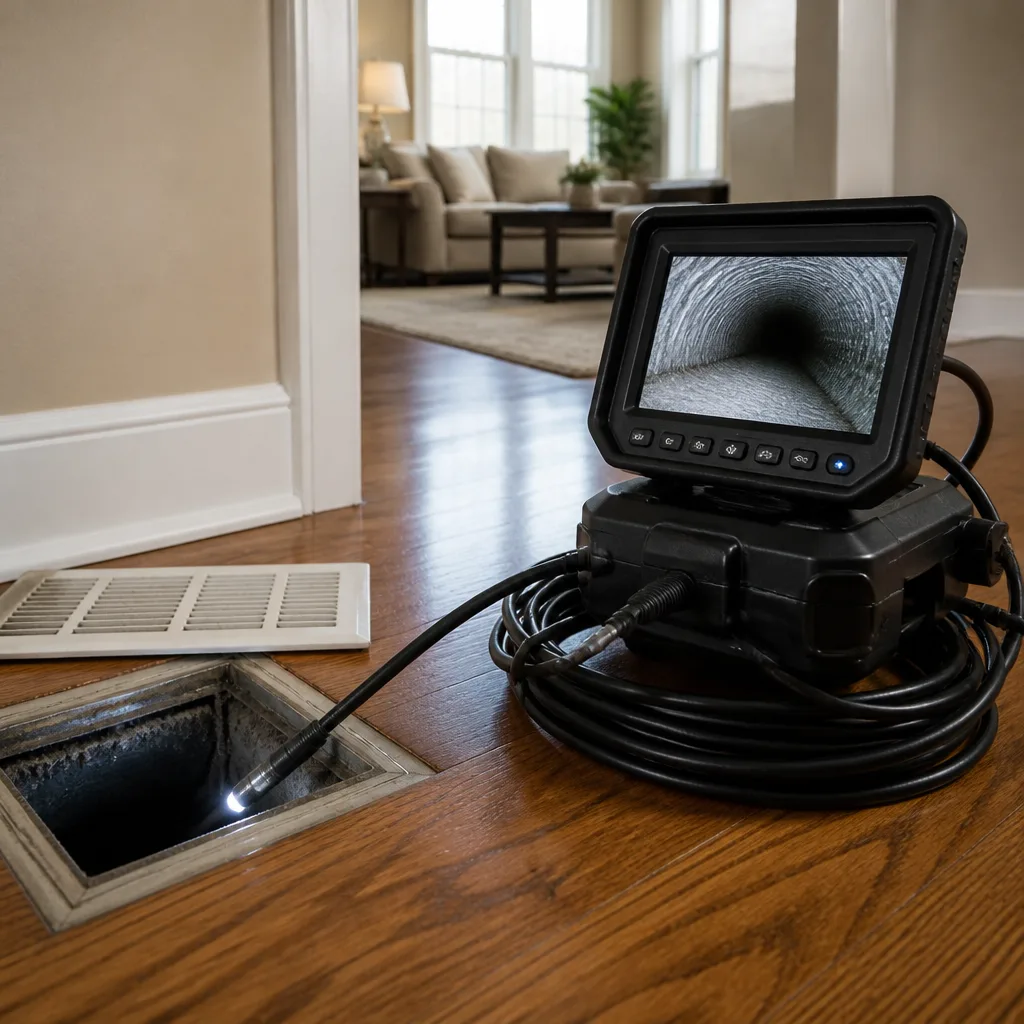 Camera inspection
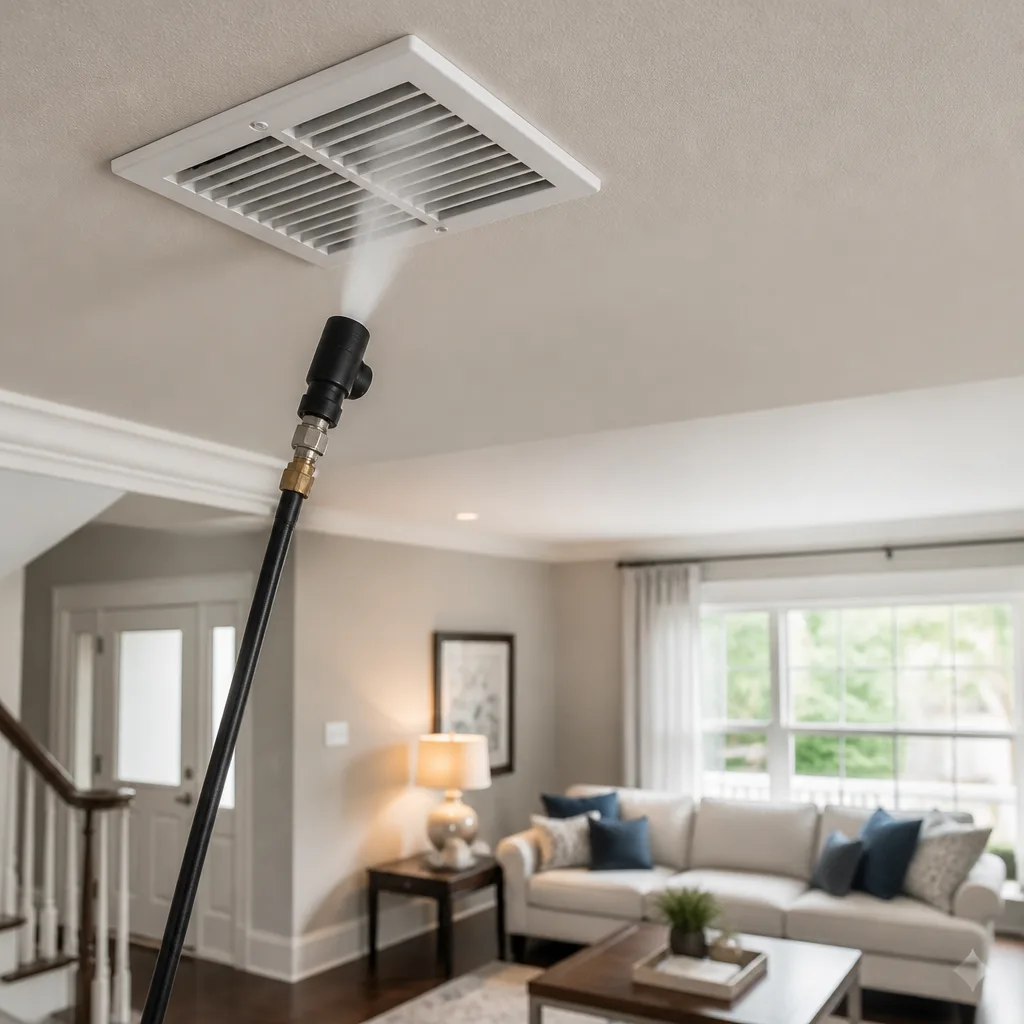 Sanitizing & deodorizing
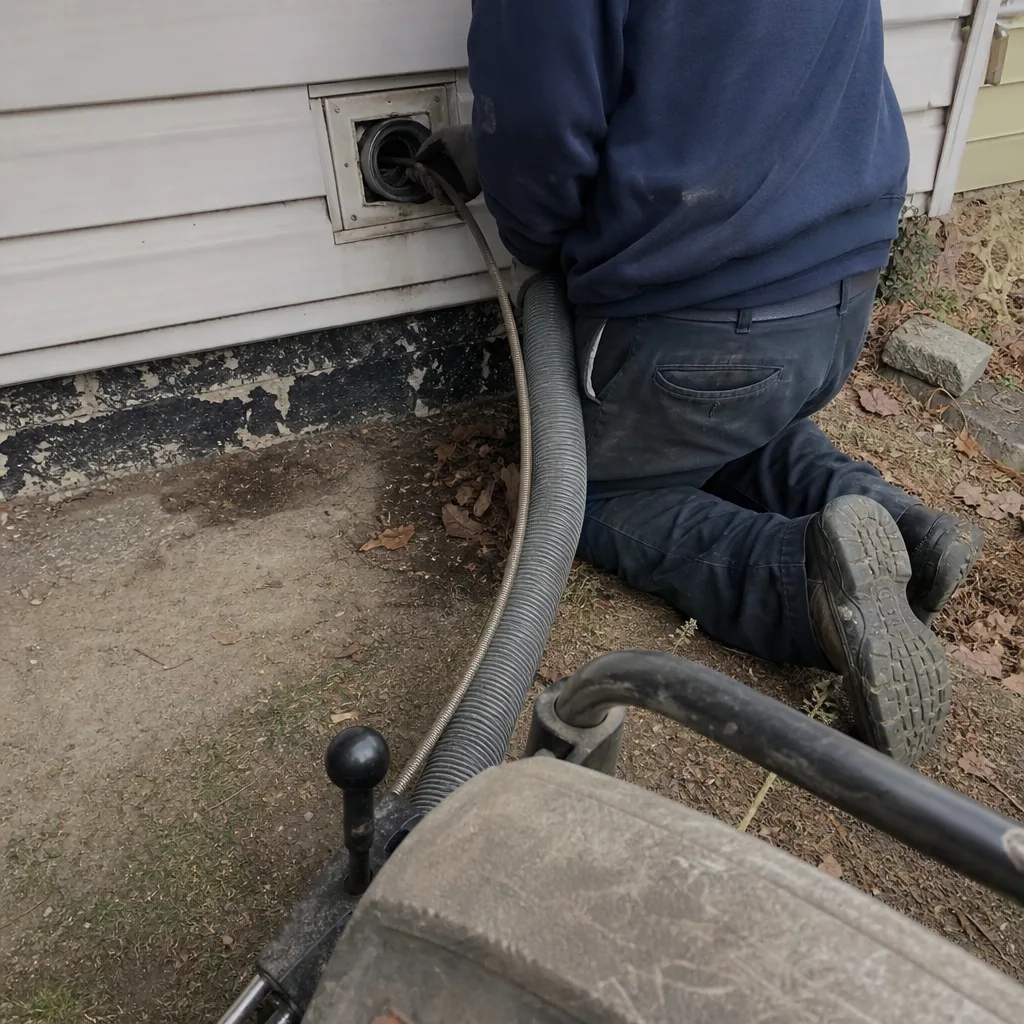
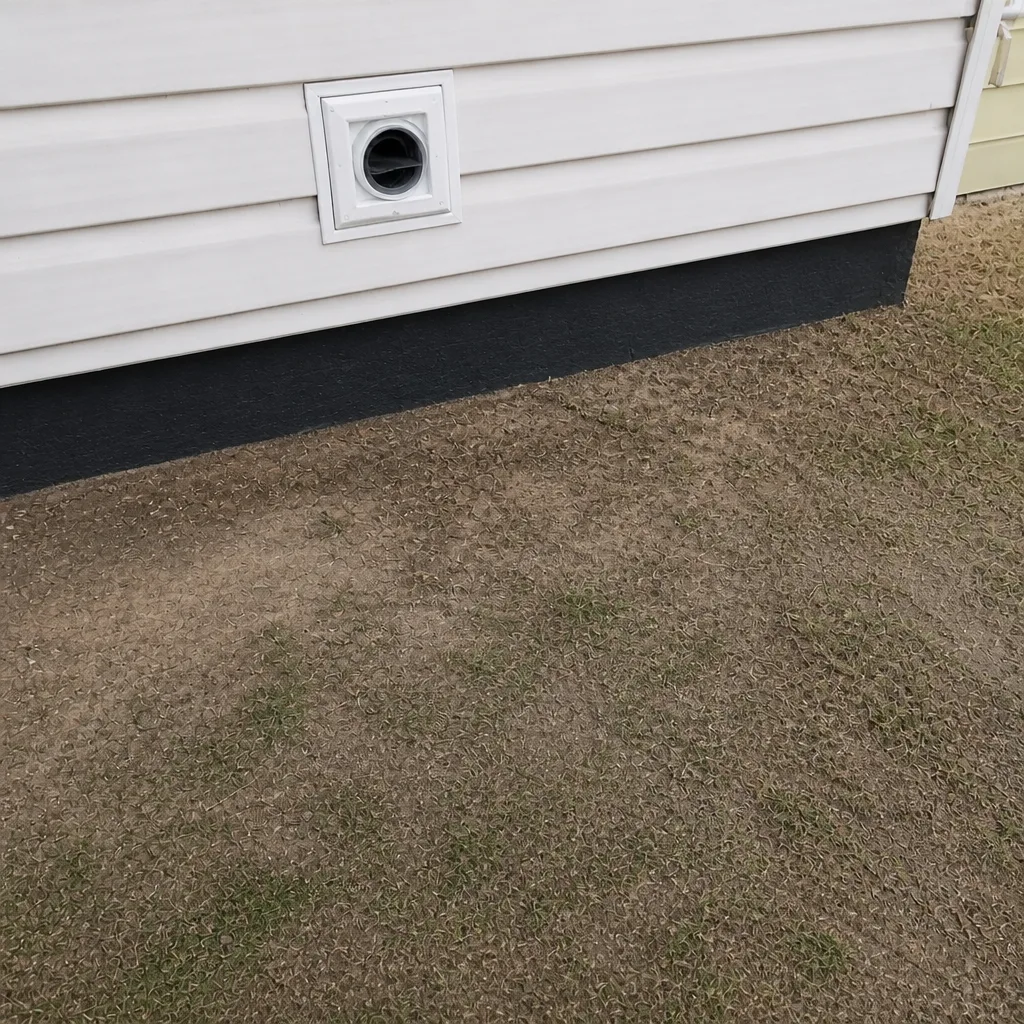
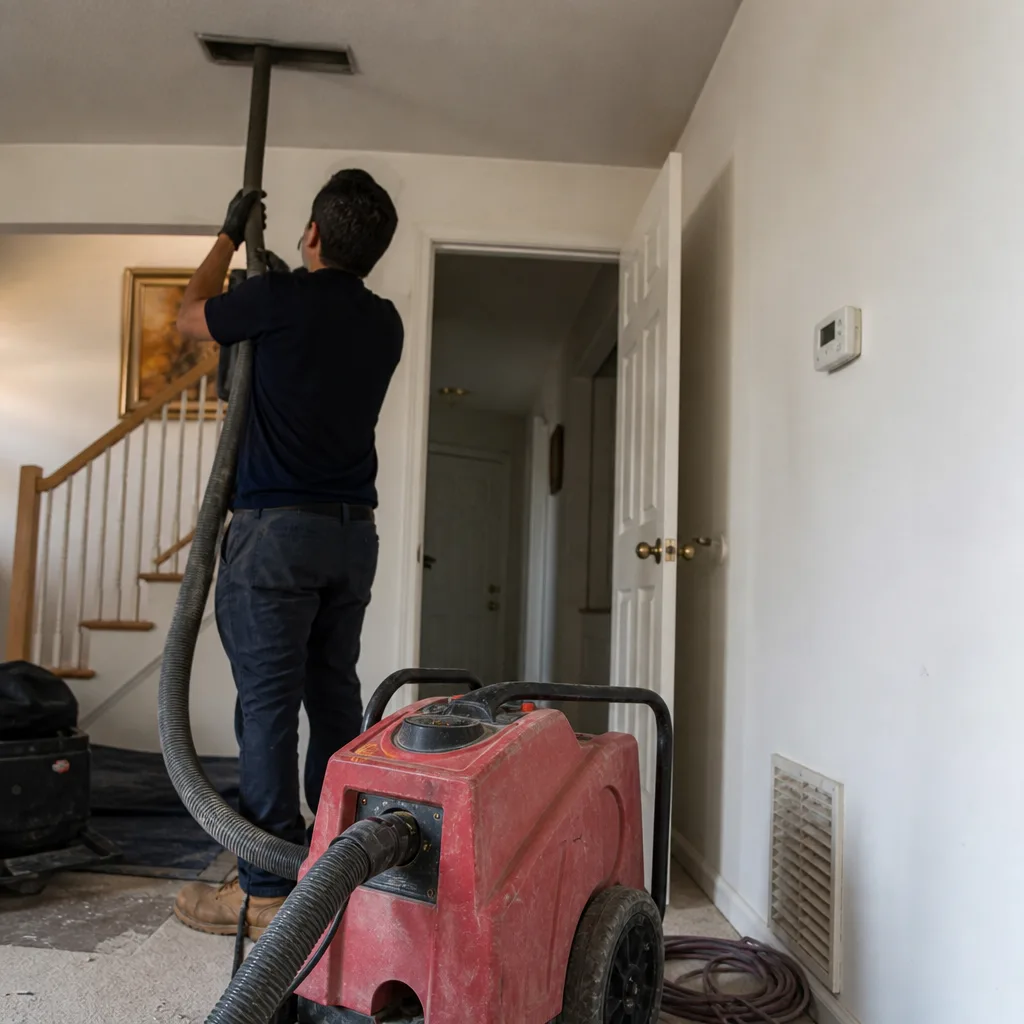
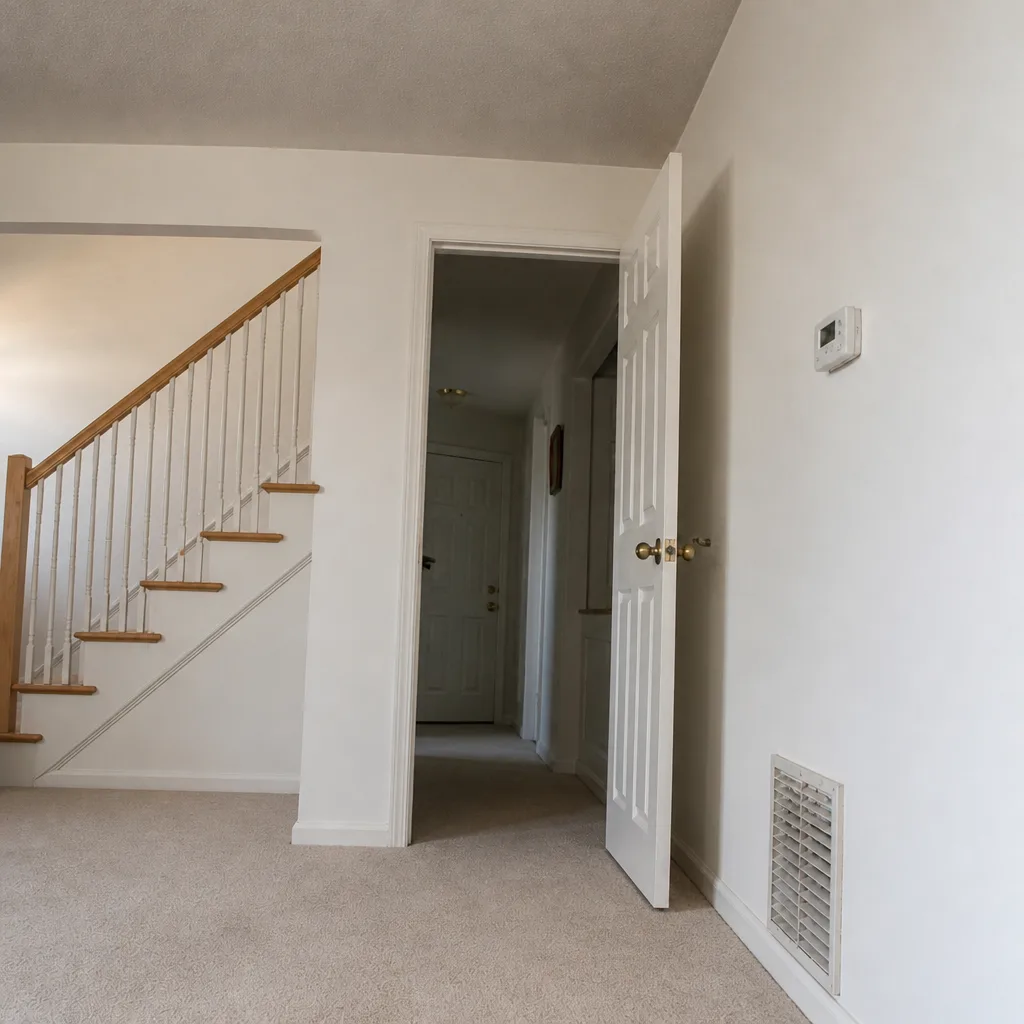
Whole-system duct and dryer vent check with before-and-after photos - you see exactly what came out of your vents
That "$99 whole-house special" is a bait ad - the real number appears once they are in your hallway, or the "clean" is a shop-vac at the register. We photograph the inside of your ducts before and after instead.
How to Hire an Air Duct Cleaning Contractor in Fox Chase: A Step-by-Step Guide
Pennsylvania does not require a state license to clean air ducts. That single fact explains almost everything confusing about this trade. The company advertising an $89 whole-house special and the contractor quoting a few hundred dollars for a proper whole-system job can both call themselves legitimate, because there is no state board checking either one. In Fox Chase, where most of the housing is older and ducts have often been through several renovations, that gap matters more than it does in a new subdivision. This guide walks through what to ask before you book, what a real quote looks like, and which red flags should end the conversation. You’ll finish knowing how to tell a technician from a van-and-vacuum operator.
Quick Answer
To hire an air duct cleaning contractor in Fox Chase, ask what equipment they use by brand, whether they inspect your duct material and system type before quoting, what line items their written estimate includes, and whether the price is for the whole system or per vent. Choose the contractor who puts that scope in writing and agrees to a flat price before work starts over one who quotes a teaser number over the phone. Credentials like NADCA membership help, but the questions and the written scope do more vetting than any single logo.
Styles & brands we work with
- Whole-home duct cleaning
- Dryer vent cleaning
- Camera inspection
- Sanitizing & deodorizing
Table of Contents
- Why Pennsylvania’s Licensing Gap Changes How You Vet
- What NADCA Membership Actually Verifies
- Five Questions That Reveal Whether They Know Your System
- What a Legitimate Pre-Job Walkthrough Looks Like
- How to Read a Duct Cleaning Quote Line by Line
- Why the Lowest Bid Is Usually a Process Shortcut
- Equipment and Brands: What Contractor-Grade Means
- Repair, Sealing and Air Quality: The Full-Scope Question
- Common Mistakes to Avoid
- When to Call a Professional
- Frequently Asked Questions
Why Pennsylvania’s Licensing Gap Changes How You Vet
Most states regulate some part of the home service trades through a licensing board that sets a minimum standard and gives you somewhere to file a complaint. Pennsylvania does not do that for duct cleaning. There is no state exam, no required continuing education, and no state-issued credential a duct cleaner has to hold. A truck, a vacuum, and a phone number are enough to start taking jobs in Fox Chase.
That doesn’t mean every contractor is unqualified. It means the barrier is low enough that you cannot assume anything from the fact that someone is “in business.” The screening work is yours, and it’s not complicated once you know what to look for.
Here’s what to focus on instead of a license:
- Trade membership. A national association membership exists precisely because there is no state license, and it signals at least some voluntary standard.
- Equipment you can identify. Ask for the brand of the cleaning machine and the vacuum. Real contractors name Rotobrush, Nikro or Abatement Technologies without hesitating. Vague answers are answers.
- A written scope. A contractor willing to put the vents, the main trunk, the returns and any repair work on paper is a contractor who plans to do all of it.
- Insurance for the work itself. Ask directly. A crew working inside your living space and on your HVAC system should carry coverage for the work they do.
In Fox Chase, where a lot of homes were built with ductwork that’s been patched and re-routed over the years, a contractor who doesn’t ask about your system before pricing is the wrong one to hire. The questions below sort that out fast.
What NADCA Membership Actually Verifies
NADCA, the National Air Duct Cleaners Association, is the trade body most serious duct contractors belong to, and its membership is the single most useful credential to require. It verifies more than nothing, and less than everything. Being honest about the difference is how you use it well.
What membership tells you:
- The company has committed to a published standard of care for how duct cleaning is supposed to be done.
- At least one person in the company has passed an association certification exam tied to that standard.
- The company has agreed to a code of ethics and can lose membership for violating it.
- It is a real organization you can check, not a logo the contractor printed himself.
What it does not tell you:
- That the person who shows up at your door is the certified one. Certification applies to an individual, not the whole crew.
- That the equipment on site matches the standard. A member can still cut corners on a bad day.
- That the price will be fair, the scheduling honest, or the follow-through good.
Use membership as a starting filter, not a finish line. In Fox Chase, where duct cleaning ads are everywhere and quality varies widely, a NADCA member is a better gamble than an unaffiliated one. But the interview questions in the next section are what actually separate a good contractor from a mediocre member.
Five Questions That Reveal Whether They Know Your System
Any contractor can talk about “clean ducts.” A real technician talks about your ducts – the material they’re made of, how the system is laid out, and where the contamination usually hides in a house like yours. These five questions do the job quickly.
- “What kind of ductwork do I have, and how does that change the cleaning?” Sheet metal, flex duct, and rigid fiberglass board each need a different approach. Flex duct with its ridges traps debris differently than smooth metal, and fiberglass board can be damaged by the wrong brush. If they don’t ask or don’t know, they can’t clean it well.
- “How many returns does my system have, and will they be cleaned too?” A lot of cheap jobs clean only the supply vents you can see and skip the returns, which is where a large share of the debris collects. A technician who plans the returns into the scope knows the system.
- “What equipment will you bring, and what’s the vacuum rated for?” A truck-mounted or high-powered HEPA vacuum creates the negative pressure that actually pulls debris out. A shop vac doesn’t. Ask for the brand.
- “How will you protect my floors and furniture while you work?” Contactors who’ve done this in occupied homes have a routine. Ones who haven’t will improvise.
- “What will you do if you find a disconnected joint or a crushed section?” Ducts in older Fox Chase homes often have gaps at the seams. A contractor with a repair and sealing capability answers this with a plan. One who only cleans has no answer.
The best answers to these aren’t rehearsed, they’re specific. A contractor who mentions your return layout, your duct material, and a plan for sealing gaps is a technician. One who keeps repeating “we clean all the vents” is reading from a script.
What a Legitimate Pre-Job Walkthrough Looks Like
Before anyone quotes a real price, they should look at your system. Not glance at it. Look at it. The walkthrough is where a professional forms an actual scope, and a shortcut contractor tries to skip it to get to the invoice.
A legitimate walkthrough usually looks like this:
- They locate the air handler and furnace. They want to see the blower compartment, the filter slot, and how the return plenum connects. This tells them the system’s age and layout, not just its condition.
- They open a few vents and returns. They’re checking for dust depth, visible debris, and any sign of moisture or microbial growth that would change the job.
- They check the duct material and joints. Metal, flex, or ductboard, and whether the seams are sealed or leaking. This is where they decide if you need air duct cleaning alone or cleaning plus repair and sealing.
- They explain what they found in plain terms. Before pricing, not after.
- They write the scope into an estimate. Vents, returns, main trunk, any repair work, and a single flat price for the job agreed before work starts.
A contractor who wants to “just get started” without opening a vent or asking about your returns is telling you something useful. Believe it.
How to Read a Duct Cleaning Quote Line by Line
A professional duct cleaning quote is itemized by area of the system, not lumped into a single teaser number. If you can’t tell from the estimate what’s included, you don’t have an estimate – you have a sales number.
Here’s what should appear, and what vague pricing signals about quality:
- Supply vents, listed by count. Not “whole house” as a flat claim.
- Returns, listed by count. This is the line most cheap quotes leave out.
- Main trunk line. The long horizontal run along the basement or attic ceiling.
- Air handler or furnace cleaning, if applicable. Cleaning the ducts while leaving the blower compartment dirty puts contamination right back in the airflow.
- Repair and sealing work, itemized separately if the walkthrough found gaps.
- A single flat price per system, agreed in writing before work starts.
If the estimate lists a per-vent price, be cautious. Per-vent pricing rewards the contractor for counting vents quickly and cleaning each one lightly – it turns the job into a checklist instead of a system. A flat whole-system price lets the crew spend the time the system actually needs.
At Air Duct Cleaning Fox Chase, we quote the job as a whole system and take before-and-after photos of your own ducts so you can see what changed. That answer is worth asking every contractor for: “Will you photograph my ducts before and after?” A contractor confident in the work says yes.
Why the Lowest Bid Is Usually a Process Shortcut
The lowest bid in duct cleaning almost never reflects a more efficient company. It reflects steps removed from the process. The vacuum is underpowered, the crew skips the returns, the brush isn’t run through every branch, or the “sanitizing” is a spray that looks dramatic and does little.
Compare what a shortcut job and a full job actually contain:
- Vacuum power. A high-powered HEPA or rotary machine holds negative pressure across the whole system so debris travels out, not back into the room. A shop vac doesn’t. This single choice costs real money to do right, and it’s the first place a cheap crew saves.
- Brush coverage. Rotary brush systems loosen debris that vacuum alone can’t move. A crew that only vacuums the main trunk leaves material stuck to the duct walls.
- Time on site. A thorough whole-system job takes meaningful time because the technician moves through each branch and checks each return. If someone is in and out in under an hour for a full house, ask what got cleaned.
- Repair capability. Sealing gaps and reconnecting joints is real work. A crew without that skill is saving money by leaving the cause of contamination in place.
We use Rotobrush rotary brush cleaning and Nikro professional equipment on every applicable job, because the equipment is what turns a service call into a clean system. That investment is the reason a serious quote costs more than a driveway-sign special. It’s also the reason a serious quote tells you exactly what you’re paying for.
Equipment and Brands: What Contractor-Grade Means
“Contractor-grade” is a phrase thrown around loosely. In duct cleaning it means specific, nameable equipment used by professionals, not a consumer vacuum with a longer hose. Asking about equipment brands is one of the most reliable ways to sort real technicians from the rest.
Here’s the short version of what to look for:
- Rotary brush systems. Rotobrush is the rotary brush standard recognized across the professional HVAC industry. It loosens debris from the duct walls, which plain suction misses.
- Professional HEPA vacuum equipment. Nikro is a name serious HVAC technicians trust for the suction side of the job. The vacuum creates the negative pressure that actually moves the debris.
- Remediation-level air quality tools. When a job involves contamination, moisture, or a system that needs sanitizing, Abatement Technologies equipment raises the air quality standard to remediation grade. That matters if you suspect mold or a long-neglected system.
Why does this matter to you? Because the equipment chosen determines what actually leaves your ducts. A crew with a rotary brush and a proper vacuum cleans the system. A crew without them cleans the vents you can see and calls it done.
When you interview a contractor, ask two questions: “Which rotary brush system do you use?” and “What’s the vacuum?” A true professional answers without hesitation. A shortcut operator changes the subject.
Repair, Sealing and Air Quality: The Full-Scope Question
Most duct cleaning companies do one thing: they clean. When the walkthrough turns up a crushed section, a disconnected joint, or a system that needs sanitizing, a one-trick company has to either refer you elsewhere or skip the problem. Either way, you’re left with contamination returning within a season.
Ask any contractor you interview: “What happens if you find a leak or a damaged section?” The answer reveals whether they can address the cause or only the symptom. A full-scope contractor covers cleaning, repair, sealing, and air quality improvement under a single visit.
That full-scope approach matters more in Fox Chase’s older housing stock than it would in a new build. Ducts run through basements, chases, and second-floor framing that have been modified over time, and those modifications leave gaps. Sealing those gaps is how you stop dust from re-entering after cleaning. Separately, a HVAC cleaning that leaves the furnace or air handler dirty reintroduces contamination to a freshly cleaned duct system, so the two belong together in a proper scope.
Air quality upgrades are the other half. When a system needs more than cleaning – better filtration, humidity control – a contractor with Honeywell and Aprilaire product access can integrate upgrades rather than hand you a brochure. That’s what we mean when we say we seal what we find: the cleaning is the first step, and the fixes for what we uncover are the second.
Dryer vents are part of the same conversation. A blocked dryer vent is a leading cause of residential fires, and a proper dryer vent cleaning is a small add-on that closes a real safety gap. Ask any contractor whether they offer it, and if they don’t, ask why not.
Common Mistakes to Avoid
- Booking from a robocall or a door-to-door pitch. Door-to-door duct cleaning offers in Fox Chase often lead with a teaser price that grows once the “technician” is on site. Get the scope and a written flat price before you agree.
- Accepting a price without an inspection. Anyone who quotes a real number over the phone without seeing your system is guessing. A real estimate follows a walkthrough.
- Believing “we clean all the vents” means the whole system. Vents are visible; returns and the main trunk are where the debris actually is. Confirm in writing that they’ll be cleaned.
- Skipping the repair question. If the contractor doesn’t seal gaps, dust returns within a season and cleaning was wasted.
- Falling for the “we sanitize for free” line. Sanitizing without cleaning first is a spray over dirty ductwork. Cleaning and sanitizing are separate, sequenced steps.
- Not asking about equipment brands. An unidentifiable machine is often a shop vac with a hose kit. Ask for Rotobrush, Nikro, or a comparable professional brand by name.
- Ignoring the payments question. A contractor who demands full payment in cash before starting, with no written invoice, is a contractor to walk away from.
When to Call a Professional
Not every home needs duct cleaning on a schedule. Some signs point clearly to professional service, and they aren’t subtle.
Call a professional if you’re moving into an older Fox Chase home and don’t know when the ducts were last cleaned; if you see dust trails coming from supply vents or find a film on the walls near registers; if anyone in the household has allergy-type symptoms that improve when you leave the house; if you’ve had renovation work done, especially drywall or flooring, which fills ducts with fine dust; if there’s visible mold or moisture around any vent opening; if you’re considering air quality upgrades like better filtration or humidity control; or if the system runs louder or hotter than it used to. Those last two often point to a leak or gap that only repair and sealing will fix.
Air Duct Cleaning Fox Chase offers free estimates in Fox Chase. Call (844) 625-7003. We answer 24/7. Fast dispatch from 7am to 7pm, Sunday through Friday. When we arrive, we’ll walk the system with you, explain what we find, and put a flat price for the whole job in writing before anything starts.
Frequently Asked Questions
A proper whole-system duct cleaning in Fox Chase typically runs in the range a full-scope contractor quotes for your specific system – a number that depends on the size of the house, the number of vents and returns, and whether repair or sealing is needed. The price should be a flat figure per system, agreed in writing before work starts, not a per-vent rate. Call (844) 625-7003 for an exact quote – estimates are free.
Cheap duct cleaning quotes are usually cheaper because steps are missing, not because the company is more efficient. Underpowered vacuums, skipped returns, and no repair work are the standard shortcuts, and they mean contamination is back within a season. A proper job uses professional equipment like a Rotobrush rotary brush system and a Nikro HEPA vacuum, which costs more to run and clean properly. Call (844) 625-7003 for a quote that reflects what the job actually involves.
Ask for before-and-after photos of your own ducts. Any contractor confident in the work will document it, and comparison photos let you see that each branch and return was cleaned rather than just the visible vents. Air Duct Cleaning Fox Chase photographs your system before and after and puts a flat price per system in writing so you know exactly what you paid for. Call (844) 625-7003 for a free estimate.
Most homes in Fox Chase don’t need duct cleaning on a fixed schedule. Every few years is typical for many households, but factors like renovation work, pets, a recently purchased older home, or visible dust at the registers are better signals than the calendar. If you’re unsure whether your ducts need attention, a walkthrough will tell you. Call (844) 625-7003 to schedule one – estimates are free.
No. Pennsylvania does not require a state license to clean air ducts, which is why the vetting process sits with the homeowner. A national association membership like NADCA is the most useful voluntary credential to require, along with named equipment brands and a written scope. In Fox Chase, ask every contractor the five questions in this guide before you book. Call (844) 625-7003 to ask ours.
If the system has gaps, disconnected joints, or crushed sections, cleaning alone leaves the cause of contamination in place and dust returns fast. Duct sealing is what stops that. A proper contractor will recommend sealing only when the walkthrough turns up a reason for it, and will quote the repair as a separate line item so you can see the difference. Call (844) 625-7003 to have your system inspected first.
The Bottom Line
The licensing gap in Pennsylvania is real, but it’s not a reason to go without duct cleaning. It’s a reason to vet carefully. Ask about equipment by brand, require a walkthrough before a quote, insist on a written scope that includes returns and the main trunk, and choose a contractor who can repair and seal what they find. A flat price per system with before-and-after photos tells you more about a contractor than any single credential. For a free estimate in Fox Chase, call (844) 625-7003. We answer 24/7. Fast dispatch from 7am to 7pm, Sunday through Friday. One call covers cleaning, repair, sealing, and air quality work. You can also start with Air Duct Cleaning Fox Chase to see the full range of services.
Written by the team at Air Duct Cleaning Fox Chase.
See the difference
 Before
 After
 Before
 After
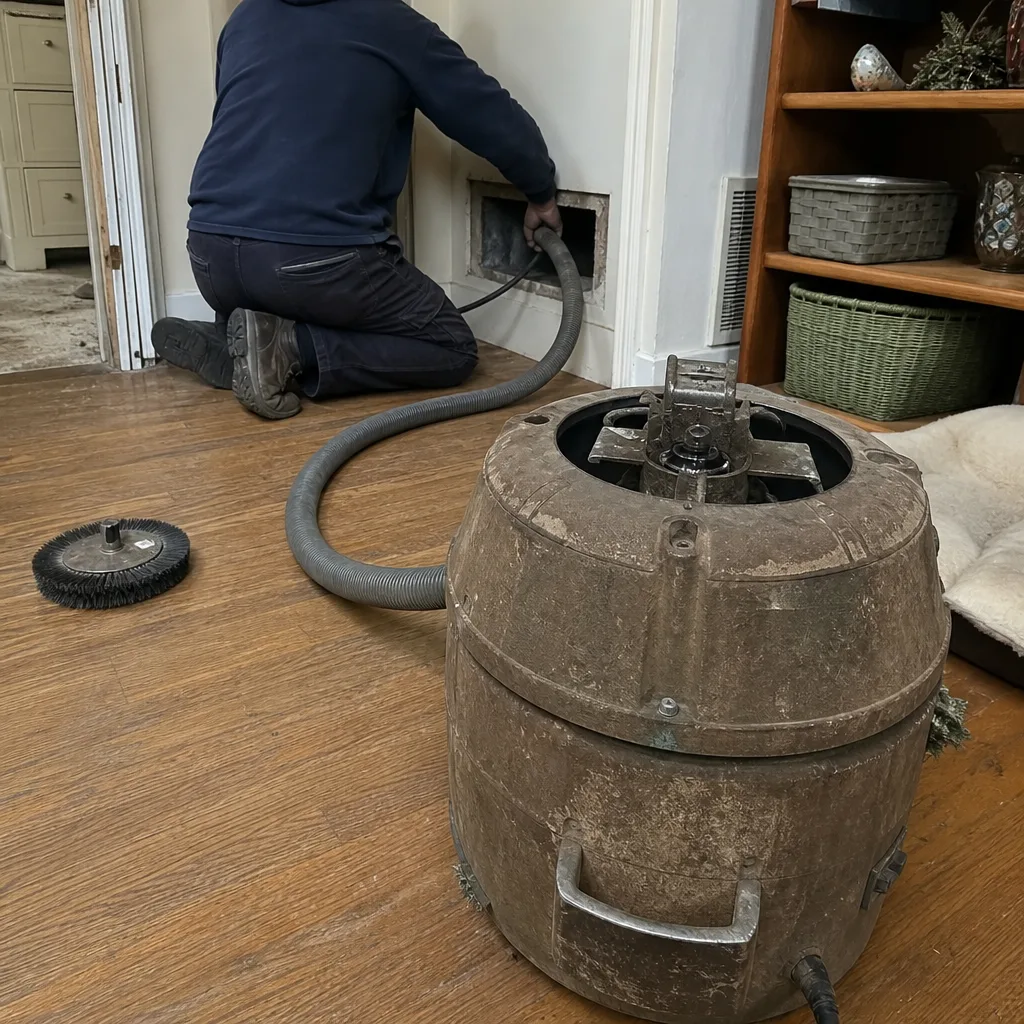 Before
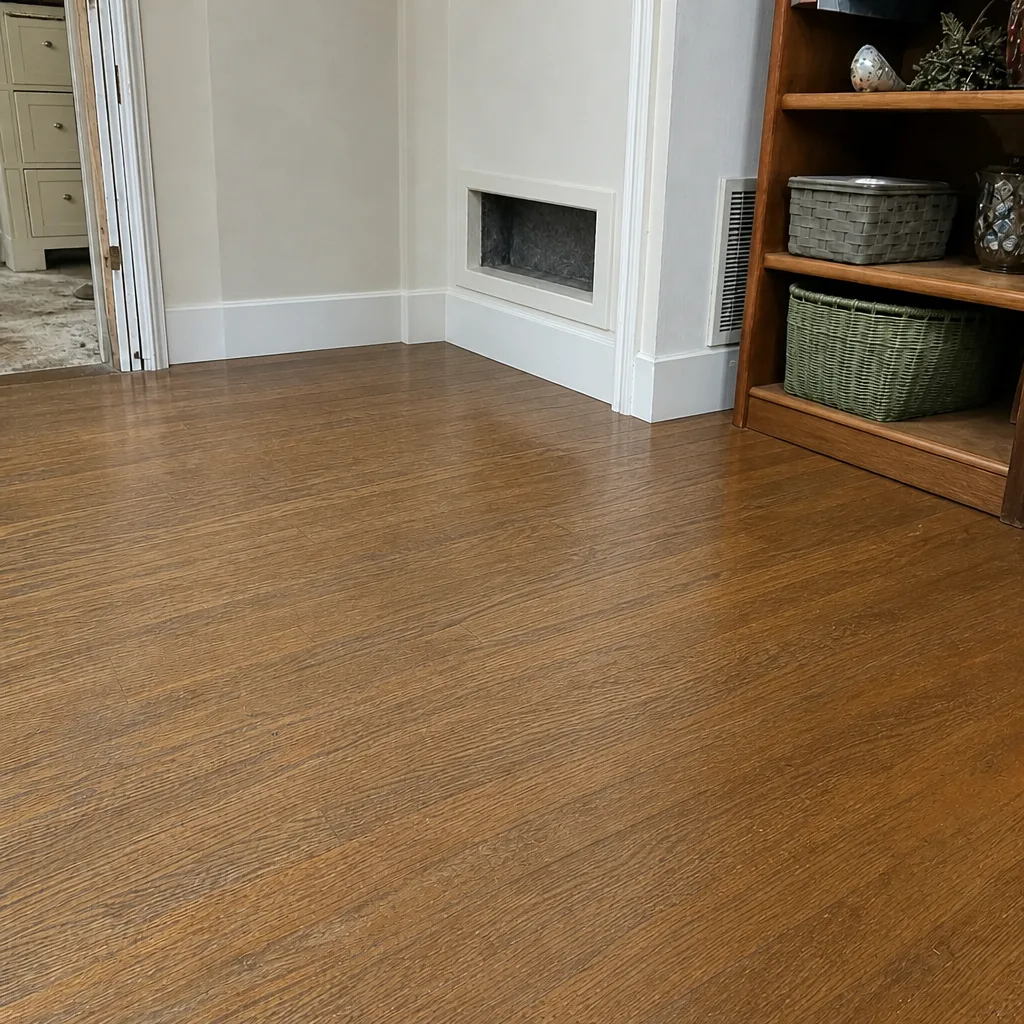 After